 The construction of major highways and the Standard Gauge Railway show that transformative infrastructure is also possible in our capital cities /FILE
Abuja, Nigeria, has free metro trains.
Yes, I said that right, Abuja, the capital city of Nigeria, has passenger commuter metro trains, which are electric, that ferry citizens for free from the airport, with stops in different destinations all the way to the capital.
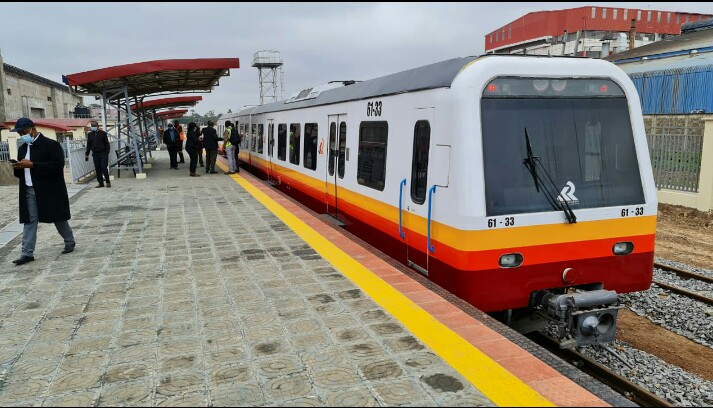
This commuter train, unveiled in 2019, covers around 45km, runs a number of times a day and has been free of charge since 2024. They have the necessary amenities and accessories, run on time and are kept clean.
This free train example sounds unimaginable in 2026, but this can also be a reality in Kenya. Busy cities like Nairobi, Mombasa, Kisumu and Nakuru can benefit from this, in all honesty, if our politics and governance could only be aligned right and committees already in place pushed for such infrastructure.
One of the biggest lessons Kenya can borrow from Abuja is the power of long-term infrastructure thinking. Governments should always prioritise public infrastructure, which is a huge investment in economic productivity, environmental sustainability and the dignity of everyday citizens.
In all honesty, what you enjoy most on a visit, for instance, to Doha, Qatar, Japan or even European countries are often their efficient public transport systems.
Efficient public transportation systems reduce traffic congestion, lower transport costs for workers and increase access to opportunities. For a city like Nairobi, where thousands of people spend hours in traffic every day, the economic gains of an efficient metro or commuter rail system would be huge.
More importantly, such infrastructure changes how a city functions socially. A well-connected commuter rail network allows workers to enjoy living farther from expensive city centres without sacrificing mobility.
Counties such as Machakos, Kajiado and Kiambu would therefore benefit exponentially. A train system more efficient than what we have would encourage more organised urban development and reduce the chaotic expansion that often comes with car-dependent cities.
More focus can even be put on working on drainage, digging and expanding waterways to reduce the catastrophic flooding we witness every year. When public transport works well, businesses grow, tourism improvesand productivity increases.
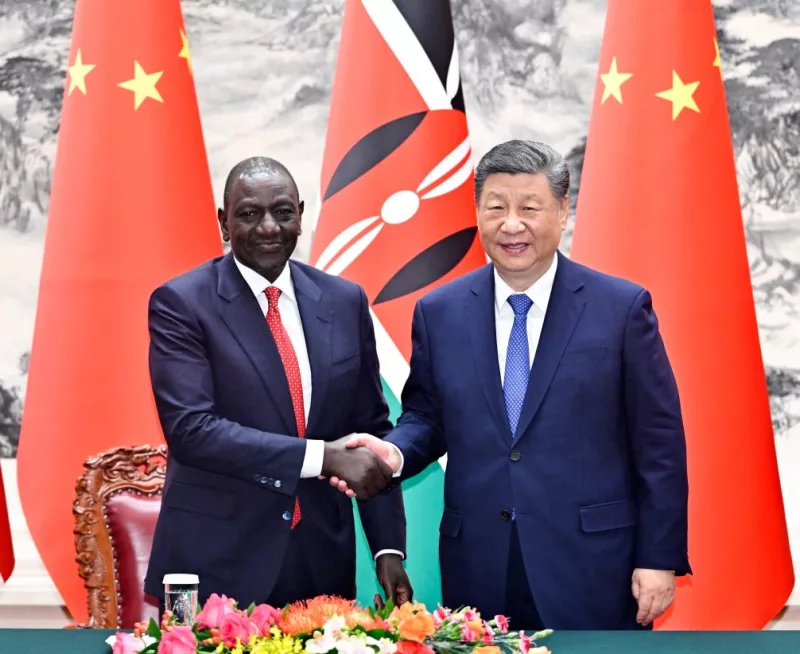
President William Ruto’s government must begin to think more boldly about infrastructure priorities, on top of the existing plans. Kenya has demonstrated capacity to undertake large-scale projects before.
The construction of major highways and the Standard Gauge Railway show that transformative infrastructure is also possible in our capital cities to transform the lives of the ordinary citizens, and this doesn’t have to be free, but at the very least with highly subsidised costs.
History also offers an interesting example of how bold infrastructure decisions can shape the growth of cities for centuries. In the late 18th century, the French monarchy faced a serious public health and urban planning crisis in Paris. Overcrowded cemeteries within the city were becoming dangerous and unsanitary as the population grew.
In response, the authorities under the reign of Louis XVI ordered that human remains be transferred into underground tunnels created from former limestone quarries beneath the city. This ambitious project eventually became what is today known as the Paris Catacombs.
By moving the burial grounds underground, the city was able to reclaim valuable land for efficient transportation, housing, streets and public life.
Back home, imagine our beautiful Nairobi with a clean electric commuter train connecting Jomo Kenyatta International Airport to the city centre, with further links to satellite towns such as Athi River, Thika and Ngong. Imagine a coastal commuter line linking Mombasa to Kilifi and Diani, reducing road congestion while promoting tourism and trade.
Imagine Kisumu developing a modern urban rail system that supports its emergence as a regional economic hub in Western.
Abuja, South Africa, Addis Ababa and Morrocco among a few other cities and countries in Africa have paved the way, demonstrating that African cities can build metro systems that serve citizens efficiently and affordably.