As Kenya strengthens its position as one of the most digitally advanced nations in Africa, concerns are growing over the rise of technology-facilitated gender-based violence.
This emerging form of abuse includes cyberbullying, online sexual harassment, AI-generated deepfakes and the non-consensual sharing of intimate images.
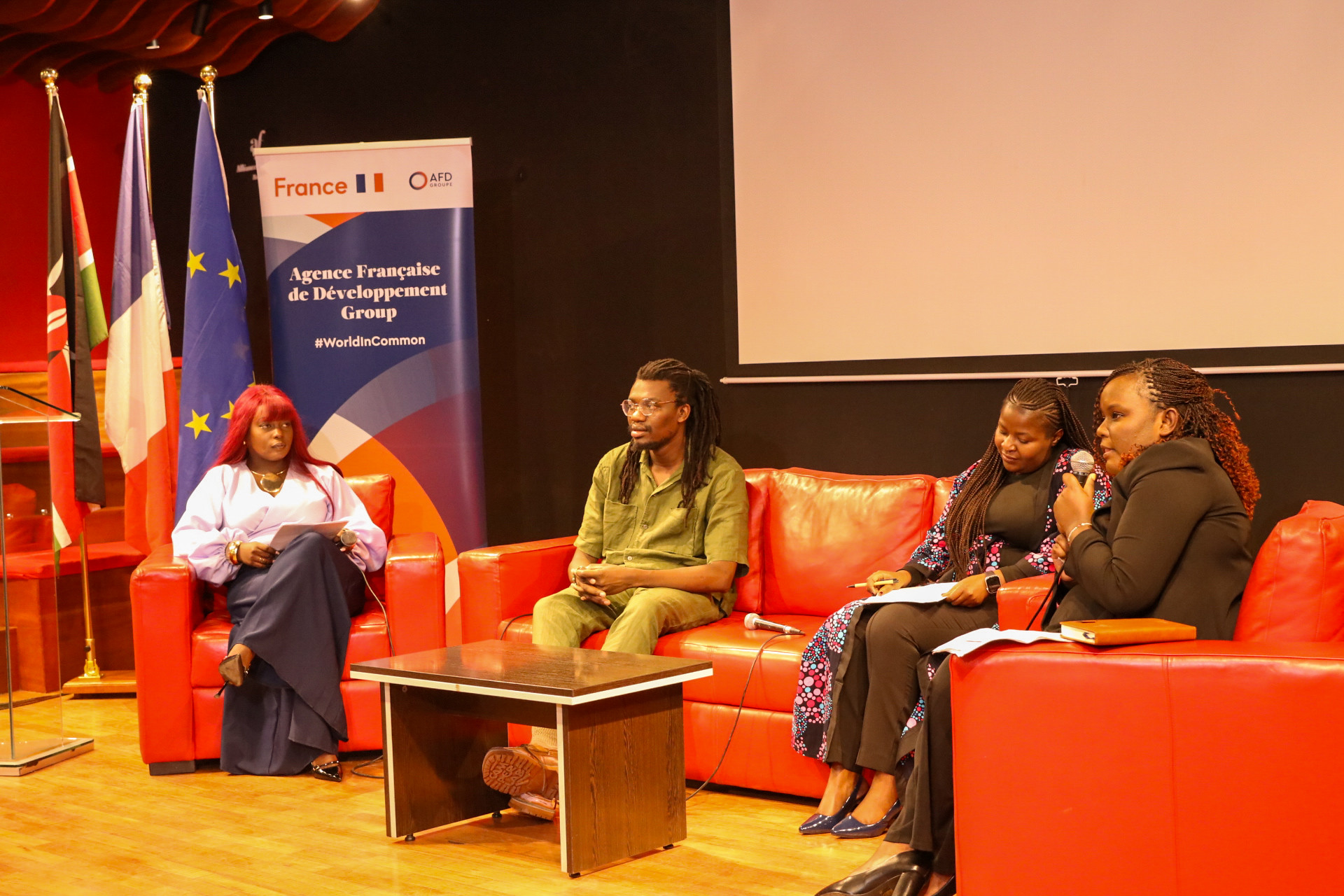
To help address the growing threat, Kenya and France have launched a joint initiative aimed at tackling technology-facilitated GBV. The project was unveiled on Monday at Alliance Française de Nairobi.
The initiative is funded by the Agence Française de Développement through the French-led Support Fund for Feminist Organisations, part of France’s broader feminist diplomacy agenda.
Under the programme, Kenya will receive €811,000 as part of a €4 million regional grant managed by Urgent Action Fund-Africa.
The funding aims to strengthen grassroots feminist civil society organisations by boosting their technical and administrative capacities.
The project will also provide legal aid and psychological support to survivors while promoting digital literacy to help users better navigate online spaces safely.
AFD director for Kenya Anne-Gaël Chapuis said while digital connectivity presents significant opportunities for economic empowerment and social interaction, it also exposes women to new forms of abuse.
“These impressive achievements represent a wonderful opportunity for economic development, empowerment and social connection. But every coin has its flip side, and too often, the risks fall disproportionately on women,” she said.
The scale of technology-facilitated gender-based violence is significant. Studies show nearly 90 per cent of young adults in Kenya have witnessed digital abuse.
Research by United Nations Population Fund indicates that 64.4 per cent of female students in Nairobi’s tertiary institutions have experienced some form of online violence.
French Ambassador Arnaud Suquet said France has mobilised funds globally to champion feminism.
“Through France’s feminist diplomacy, we have mobilised more than €255 million to support feminist civil society organisations around the world whose role is crucial and often lifesaving,” he said.
Urgent Action Fund-Africa senior programme manager Carol Werunga emphasised the importance of partnerships in tackling online violence.
“One of the key strategies is strengthening partnerships and stakeholder engagement, working with activists and defenders in this space so that no one feels left behind,” she said.
However, experts say major challenges remain, including the normalisation of online abuse and gaps in legal frameworks dealing with digital crimes.
Executive director of the Coalition on Violence Against Women Frida Wawira cited cases where victims have suffered severe psychological distress after intimate images were leaked online by former partners.
“This is a very sensitive topic. It affects academics, livelihoods and relationships. The psychological toll can be devastating,” she said.
The situation is worsened by the lack of clear police guidelines on handling digital offences.
Tom Osborne, founder and CEO of Shamiri Institute, said artificial intelligence presents both risks and opportunities.
“We are seeing AI being used to generate deepfakes and other harmful content, but at the same time, young people are also turning to AI tools as a form of help-seeking,” Osborne said.
He added that developing locally contextualised AI systems could provide support to individuals facing digital abuse.
Experts are calling for a multisectoral approach to address the issue, including integrating responses to technology-facilitated GBV into police training and expanding digital literacy programmes.
While individual safety measures, such as strong passwords and account monitoring, remain important, stakeholders say broader systemic reforms are needed.
They argue that addressing online violence requires shifts in social attitudes alongside stronger legal protections to ensure digital spaces are safe and respectful of human rights.
Through collaboration between government institutions, civil society groups and international partners, the initiative aims to ensure Kenya’s digital transformation remains inclusive, safe and empowering for all.