Investors in Kenya’s property market are slowly diversifying their portfolios to include frontier lifestyle destinations such as islands, thereby reaping higher long-term returns.
Knight Frank's latest analysis places coastal rental yields at up to eight per cent annually, way beyond the country’s average of 4.6 per cent.
According to the report, places like Nyali, Diani, and Malindi recorded annual capital appreciation of 8-12 per centand gross rental yields of 6-9 per cent.
This growth is boosted by the thriving tourism sector that hit over Sh450 billion in value and is expected to hit Sh1.2 trillion by 2030.
While short-stay facilities have dominated the property market due to affordability and convenience, experts say that exclusivity is the biggest currency, especially for high-net-worth individuals seeking exotic holiday stays.
They argue that seafront luxury real estate is evolving into a fully immersive lifestyle platform, where owning a home means gaining access to an ecosystem of services, relationships, and curated experiences.
This shift, they say, lies at the core of the Blue Economy applied to coastal real estate, redefining the very concept of the second home for international HNWIs.
“Buyers are increasingly prioritising direct sea access, outdoor living, and the ability to integrate residence, leisure, and investment into a single, strategic asset, confirming the long-term strength of seafront luxury homes within the global luxury waterfront real estate market,’’ Knight Frank says.
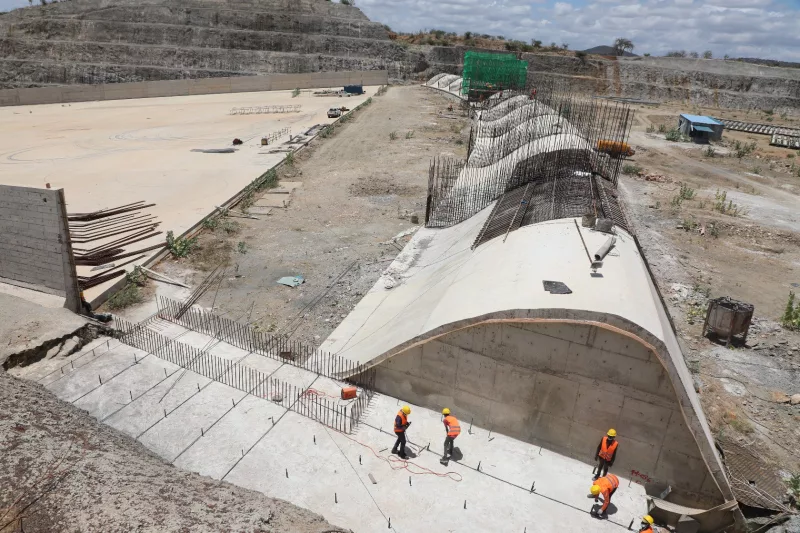
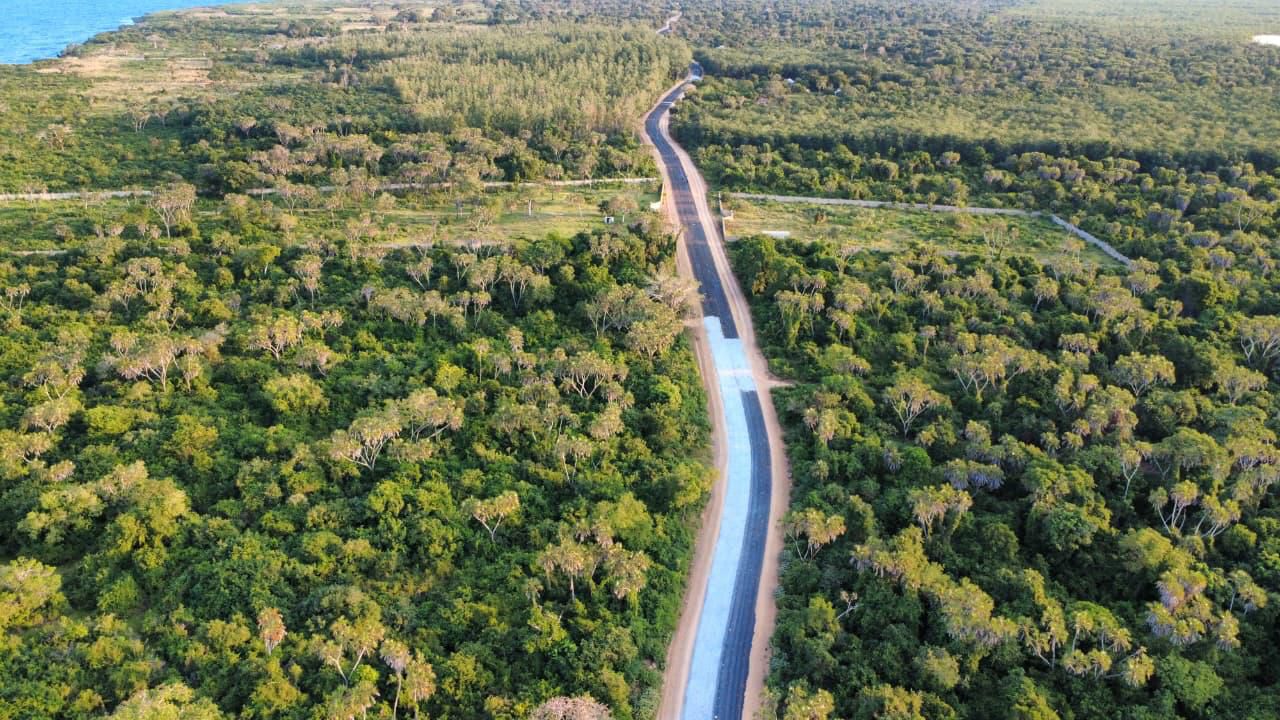
The confidence is boosted by improving infrastructure in the region, including · -Dongo Kundu Bypass, Sh40 billion projects designed to minimise traffic congestion and streamline trade within the regional hub.
The government is also targeting five beaches and four islands along the Kenyan coast for potential privatisation under the draft Kenya National Tourism Strategy (2025–2030), aiming to boost tourism investment through a major rethinking of product development.
For instance, Funzi Island, based in the South Coast, once a secluded archipelago with minimal human activity, has become a highly sought-after destination by investors looking for locations where conditions such as scarcity, natural beauty and security intersect.
“When serious investors evaluate property, they look at scarcity first,” Emmie Nyakoye, a seasoned real estate expert said.
“Island land is one of the few asset classes where supply is naturally limited,” she adds.
Connected to the mainland by a newly constructed bridge, Funzi Island offers exclusive, single-point access—a key feature enhancing its security and appeal to investors seeking defensible assets.
Controlled growth, large parcel divisions and county oversight on the island further help to preserve exclusivity and long-term value for investors thinking beyond short-term cycles and focusing instead on five to 10-year horizons.
“Security is becoming one of the strongest value stabilisers in premium property markets. Limited access environments outperform those that are unlimited over time,” Nyakoye said.
Historically, frontier destinations tend to develop in predictable phases. First comes quiet accumulation by early buyers. Then recognition begins to grow as development slowly emerges.
Eventually, larger investors and developers enter the market, permanently changing pricing dynamics. Funzi Island appears to be moving through the early stages of this cycle.
As popular nearby holiday destinations such as Diani continue to become overcrowded, Emmie foresees a situation where demand for property on the island could spiral.
In that context, she urges prospective buyers looking to secure property on the island, whether for investment or residential purposes, to move swiftly.
“The most attractive entry point in real estate is before a destination becomes fully recognised,” Nyakoye said. “Once institutional capital begins to formalise a location, the discount phase disappears.”