The just-concluded 2026 Two Sessions—the annual meetings of China's National People's Congress and the Chinese People's Political Consultative Conference—were always going to be significant.
But for Africa, their outcome is nothing short of transformative. As China unveiled its government work report and set the tone for the 15th Five-Year Plan (2026–2030), it has laid out a roadmap for high-quality development that presents endless opportunities to reshape the economic landscape with the continent.
The new momentum signals desire for upgrades from building infrastructure to building sustainable, value-added industries together.
For African governments and businesses, the message from Beijing is one of unrivalled predictability and opportunity. In a world of economic fragmentation and geopolitical uncertainty, China’s long-term planning provides a stable anchor. The 15th Five-Year Plan is now a binding operational framework that shapes China’s spending and engagement. It signals a shift toward innovation-driven growth, green transformation, and high-standard opening up. For Africa, this translates into a clear, decade-long invitation to integrate more deeply into global value chains.
The most immediate and tangible outcome is the full implementation of zero-tariff treatment for 100 per cent of tariff lines from Africa, effective May 1. This policy uses tariff reductions to boost trade and multiply benefits for the people. This is a monumental shift. It transforms China’s market of 1.4 billion consumers from a distant prospect into an accessible reality for African exporters. More importantly, it is designed to incentivise a move beyond raw material exports. Processed goods: be it Ethiopian coffee, Kenyan avocado oil, or South African manufactured components; will now have a competitive edge, directly supporting Africa’s industrialization goals under Agenda 2063.
This economic opening dovetails perfectly with the plan’s emphasis on green and digital transitions. The Two Sessions highlighted China's success in new three items: new energy vehicles, lithium batteries and photovoltaic products; and their potential for global cooperation. For African nations rich in critical minerals like lithium and cobalt, this is a strategic opportunity to move up the value chain. Instead of merely exporting raw materials, the future of China-Africa cooperation, lies in downstream processing and manufacturing partnerships with China's green industries. This is the next frontier: digital connectivity, smart logistics, and clean energy manufacturing that creates local jobs and builds local expertise.
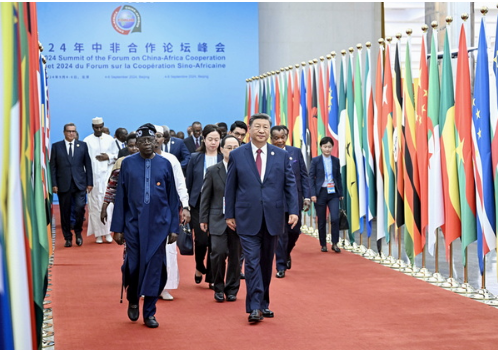
The year 2026 also marks the 70th anniversary of diplomatic ties and has been designated the China-Africa Year of People-to-People Exchanges. With hundreds of exchange events planned, the focus on youth, education, and vocational training is deliberate. It acknowledges that sustainable development is built on human capital. By fostering deeper cultural understanding and skills transfer, this initiative complements the hardware of ports and railways with the software of a skilled workforce, ensuring that the benefits of cooperation are widely shared.
However, the success of this renewed partnership hinges on execution within Africa itself. The zero-tariff window is opening, but African nations must strategically act to improve supply capacity and meet Chinese quality standards. This means investing in domestic certification, strengthening special economic zones, and creating joint ventures that prioritise technology transfer. The 15th Five-Year Plan offers a clear blueprint for modernisation; it is now up to African governments and businesses to align their national strategies with this vision, leveraging the Forum on China-Africa Cooperation (FOCAC) action plans to turn potential into prosperity.
The Two Sessions have confirmed that China sees its future as intertwined with the Global South. For Africa, this is a defining moment. The partnership is evolving from a donor-recipient dynamic to a mutually beneficial alliance focused on shared development and a shared future. The blueprint is drawn; the tools are on the table. It is time for Africa to build.
The writer is a scholar of international relations with a focus on China-Africa development cooperation. X: @Cavinceworld