The William Ruto regime on Sunday announced that the death toll from heavy rains and flooding had killed at least 42, with 26 fatalities being reported in Nairobi.
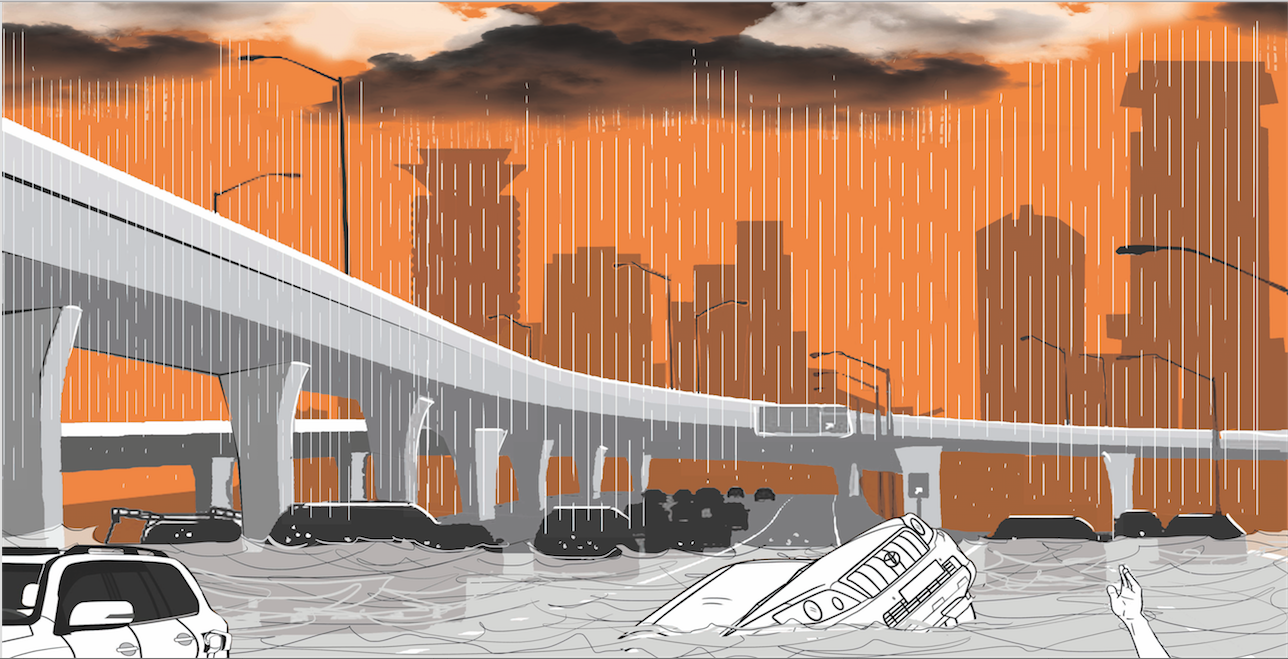
The deadly rains since Friday unleashed heavy and widespread flooding that washed away vehicles, the regime added, and marooned homes and disrupted traffic across the country.
The media and the internet are awash with images of aid workers pulling bodies from floodwaters. At least 15 counties have been affected, and people have been warned to move to higher ground. Several families said they could not trace their loved ones.
But this is not the first heavy, catastrophic rain, and certainly not the last, given the history of unpreparedness and the misappropriation of resources for mitigation.
Of course, several factors contributed to flooding. Some are due to natural phenomena. Others are due to human fault. Let me focus on unpreparedness.
Preparation requires resources. The act of allocating money and personnel to deal with floods is humanly controlled, and we cannot shift blame to a deity or the force of nature. This, therefore, means we have the power to decide whether to deal with this factor.
The “we” pronoun here means those to whom we delegated our power per Article 1 of the constitution, including the legislative and executive arms of government. It is not lost on us that historically, our money has not been put to prudent use. Some are lost to corruption or are misappropriated outright. Take, for example, a case study of the State House.
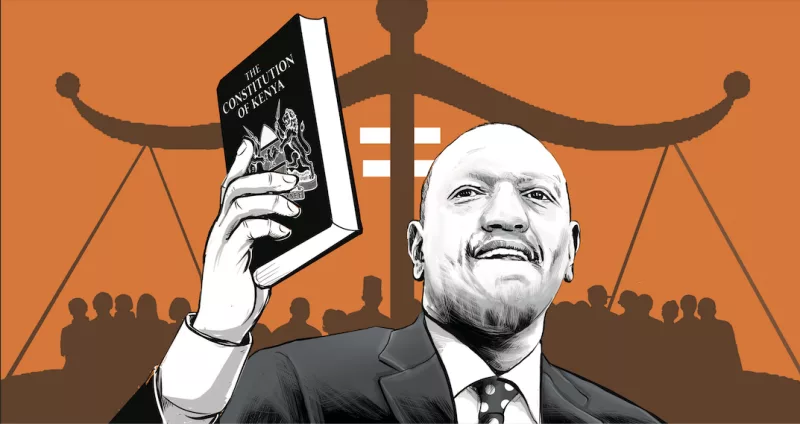
The temporary tenant of the house on the hill near the Arboretum, William Ruto, has caused a sharp increase in budget allocations to State House since the IEBC swore him in as president in 2022. Some critics may wish to argue that the approval of national government estimates and the authorisation of expenditure are functions of MPs. They are right.
However, our system is prone to abuse and often gives the presidency such a strong, arm-twisting influence over legislators. And this is what is happening.
At the start of the 2025-26 financial year, MPs approved Sh8.58 billion for State House operations. A supplementary budget later added Sh8.43 billion, pushing the total to Sh17 billion. This was an increase of about 98 per cent after the initial allocation was depleted within three months.
When Ruto occupied the State House in 2022, the budget was Sh9.1 billion. It reached Sh12 billion in the 2024-25 financial year. And now it is at Sh17 billion, the highest since Independence and among the largest presidential budgets globally, with an even higher projection of Sh20 billion for the 2026-27 financial year.
Officials cite additional state lodges and operational demands as the main drivers of the rise. In February this year, State House Comptroller Katoo ole Metito told the National Assembly Committee on Administration and Internal Security that each national celebration costs an average of Sh123 million, covering tents, food and logistics for around 4,500 guests.
Auditor General Nancy Gathungu has highlighted persistent financial irregularities within the presidency. Audit reports show that State House overspent its budget by about 170 per cent in the financial year ending June 2025, spending Sh11.6 billion against an initial allocation of Sh4.3 billion.
Gathungu further highlighted widening disparities in public spending priorities. State House allocated Sh680.7 million for repairs in 2025-26, with renovation costs projected at Sh2.5 billion and Sh1.03 billion planned for 2026-27.
I believe and affirm that the State House can operate with less than half of the billions of shillings that Ruto has had MPs allocated to it and authorised their spending. The remaining cumulative funds could, among other things, be used for infrastructure, ecological and urban planning investments to prevent flooding.
Programme Manager for Political Accountability in State Institutions at the Kenya Human Rights Commission