For decades, Nairobi has proudly carried the title 'The city in the sun'. It is a capital city that boasts towering skyscrapers, multibillion-shilling shopping malls, luxury apartments and highways that symbolise the promise of a modern African metropolis.
It is marketed to the world as a thriving hub of commerce, diplomacy and innovation – an iconic city that stands tall among Africa’s capitals.Yet today, that image lies painfully shattered.
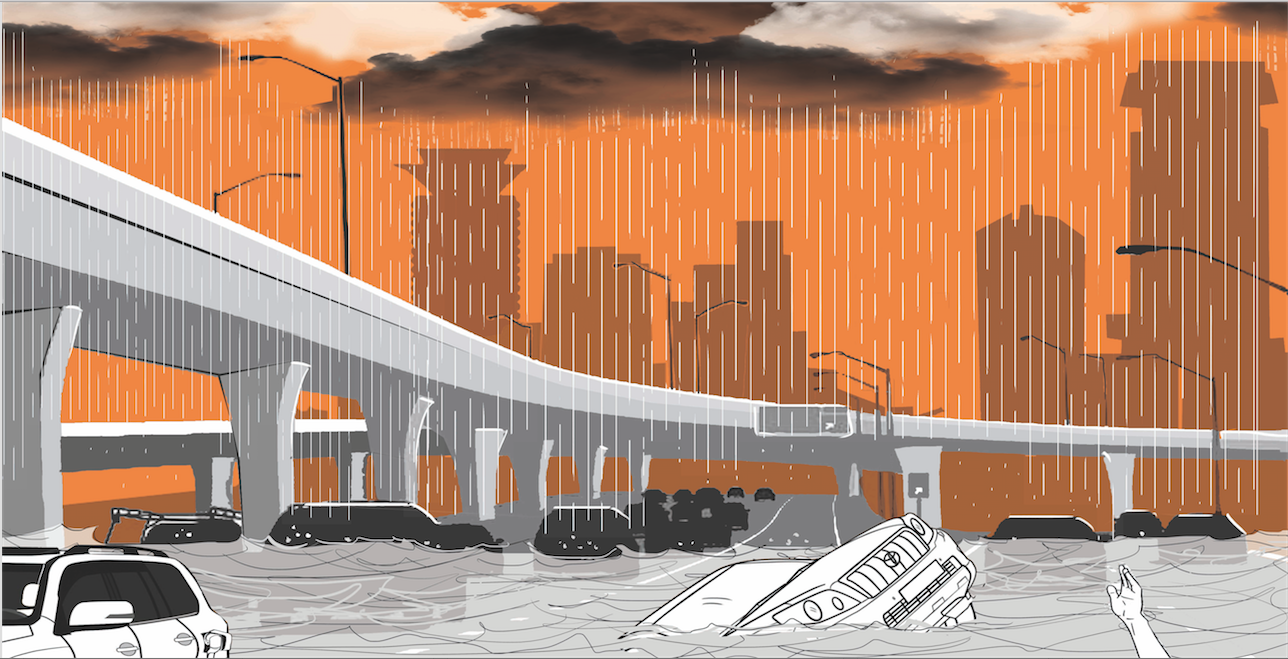
Instead of being remembered as the city in the sun, Nairobi is increasingly becoming the death city in the rain.
The horrifying scenes witnessed in recent days, of people drowning within the capital city’s streets and neighbourhoods, are not just tragic. They are deeply embarrassing and shameful for a city that claims to represent progress and development.
How does a modern capital city allow its residents to drown during rainfall?This is a question that should trouble every Kenyan.
The statistics emerging from this unfolding tragedy are devastating. At least 33 people have been confirmed dead following the floods that ravaged Nairobi after the heavy rains on Friday, March 6, 2026. Of these victims, 24 bodies were taken to the City Mortuary, while nine bodies were transferred to Chiromo Mortuary.
By the end of Wednesday, only 15 bodies had been identified by their families, leaving many grieving relatives still searching desperately for their loved ones.
Postmortems have already begun to provide grim confirmation of the cause of
death. Out of 13 postmortem examinations conducted, pathologists confirmed
that the victims died from asphyxial deaths caused by drowning.
Let that sink in –people are drowning in the capital city of Kenya.In the very city that hosts the United Nations headquarters, multinational corporations and diplomatic missions.
This is not a remote rural village without infrastructure. This is Nairobi, our capital city.Even more heartbreaking is the fact that over 10 bodies currently lying in the mortuaries remain unidentified.
Authorities are urging anyone whose relative went missing from Friday onwards to visit City Mortuary and Chiromo Mortuary to view the unidentified bodies.
Imagine the pain of families walking through cold mortuary corridors, hoping and praying not to recognise a familiar face.Imagine the agony of parents, spouses, siblings and friends desperately searching for someone they last spoke to on the day the floods swept through the city.Yet even this nightmare may not represent the full scale of the tragedy.
There are still families searching for loved ones who have not been found among the bodies in the mortuaries. If those missing individuals are not among the recovered victims, then the possibilities become even more chilling – It could mean that some bodies remain buried beneath the mud and debris left behind by the floods, making the likelihood of recovery extremely slim.For those families, closure may never come.
This is not simply a natural disaster. It is a man-made tragedy.Rainfall alone does not kill people in cities that are properly planned and responsibly governed.
Across the world, cities experience heavy rains without turning into death traps. Stormwater systems are designed to manage floods. Drainage systems are maintained. Rivers and waterways are protected from illegal encroachment. Emergency services are prepared.
However, in Nairobi, decades of negligence, corruption and incompetence have
turned rainfall into a deadly threat.
Blocked drainage systems, uncontrolled construction on riparian land, garbage choking waterways and the complete absence of effective urban planning have created the conditions for disaster. When the rains come, water has nowhere to go except into people’s homes, businesses, streets and ultimately, into the lungs of innocent victims.
The tragedy that has rocked Nairobi was entirely avoidable.It is the direct result of state and county officials absconding from their responsibilities and gambling recklessly with the lives of citizens. Instead of protecting the public, leaders have allowed negligence to become the norm.
Even the response after the tragedy exposes this failure.Public officials have made grand announcements about waiving fees for affected families. Yet on the ground, grieving relatives continue to report being asked to pay mortuary fees and other costs before they can retrieve the bodies of their loved ones.This is not compassion.It is cruelty layered upon tragedy.
What we have witnessed is nothing short of gross negligence and staggering incompetence by both county and national authorities.
A government that cannot protect its citizens from drowning in the capital city during rainfall has fundamentally failed in its most basic duty of protecting lives.Such a failure cannot simply be ignored or explained away with the usual bureaucratic excuses.Heads must roll.
If decisive action is not taken now, then the message being sent
is clear: that the lives of ordinary Kenyans are disposable, that incompetence
carries no consequences and that public officials can continue to neglect their
duties without fear.
The families mourning today deserve justice. The missing deserve to be found and the living deserve a city that protects them rather than abandons them to tragedy.
Until that happens, Nairobi’s proud title as the city in the sun will remain overshadowed by a darker and more painful reality of being a death city in the rains.
Chief executive officer, VOCAL Africa