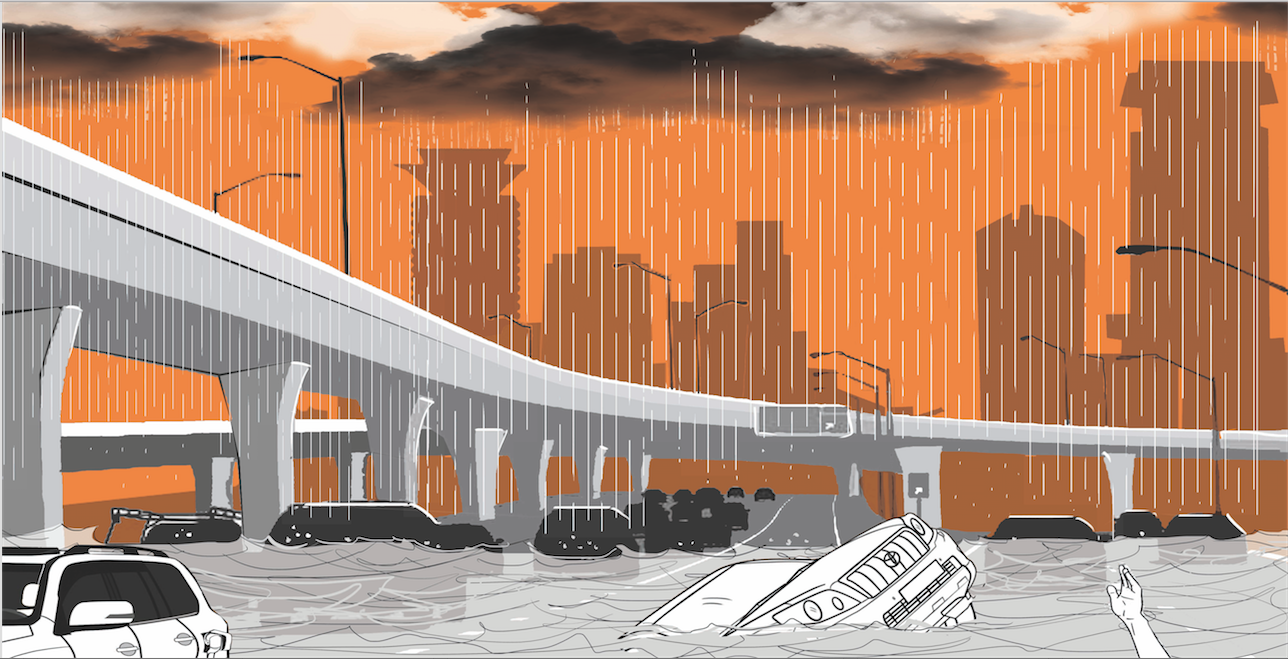
In recent days, heavy rains have pounded large parts of Nairobi and other regions across Kenya, leaving behind flooded streets, stalled traffic and frustrated residents trying to navigate waterlogged roads.
Images of submerged estates, blocked highways and overflowing drainage channels have once again dominated social media and news bulletins. As usual, public anger quickly turns toward authorities over poor drainage systems, weak urban planning and inadequate infrastructure.
Yet, many of the floods we experience in our cities are not caused by rain alone, but by our everyday habits.
Across Nairobi, drainage systems are frequently clogged with plastic bottles, food wrappers, polythene bags and other forms of solid waste. A bottle thrown out of a car window, a snack wrapper dropped on the pavement or garbage dumped beside a road rarely stays where it lands.
Once rainwater begins to flow, this waste is swept into drainage channels and culverts, where it accumulates and blocks the path of water. The result is predictable—roads turn into rivers, estates become impassable and businesses grind to a halt.
Research by the United Nations Environment Programme estimates that more than 300 million tonnes of plastic waste are produced globally every year, much of which ends up in the environment.
In rapidly growing cities such as Nairobi, inadequate waste collection systems combined with careless disposal habits mean that a significant portion of this waste finds its way into drainage infrastructure. Studies on urban flooding in African cities consistently show that blocked drainage systems caused by solid waste are among the leading contributors to flash floods.
This pattern is increasingly visible during the rainy season. In several parts of Nairobi, from informal settlements to central business district streets, floodwaters struggle to drain away because channels designed to carry stormwater are choked with garbage.
The consequences go beyond inconvenience. Flooded environments increase the risk of waterborne diseases, contaminate water sources and damage homes, businesses, and critical infrastructure.
While governments and city authorities must invest more in modern waste management systems and urban drainage infrastructure, environmental responsibility cannot rest on institutions alone.
Sustainable cities require responsible citizens. Proper waste disposal, reducing single-use plastics, separating waste at household level, and participating in community clean-up efforts are small but powerful actions that can collectively transform our urban spaces.
Public awareness and environmental education must also become central to the conversation. Communities, schools, civil society organisations and local leaders all have a role to play in shaping attitudes toward waste. When citizens begin to understand the direct link between careless disposal and the floods they complain about, behaviour can gradually change.
The rains falling across Kenya today are a reminder of how interconnected our environment is. Water will always follow the path available to it. If that path is blocked by waste, it will find another route, often through our streets, our homes, and our lives.
Cleaner cities will not be built by complaints alone. They will be built by a shift in mindset, where every citizen recognises that environmental responsibility begins with the simple act of deciding where to dispose of a bottle.
If we change our habits today, we can create cleaner streets, healthier communities and more resilient cities. Real change begins when we stop being part of the problem and start becoming part of the solution.