Massive importation of livestock products has exposed a widening trade deficit in Africa, with experts blaming weak policy implementation and fragmented regulations for the imbalance.
Experts say the continent imported more than $10 billion (Sh1.3 trillion) worth of livestock products last year despite having the capacity to produce most of them locally.
They said poor enforcement of trade frameworks and fragmented regulations continue to limit regional livestock markets even as demand for meat and animal products rises.
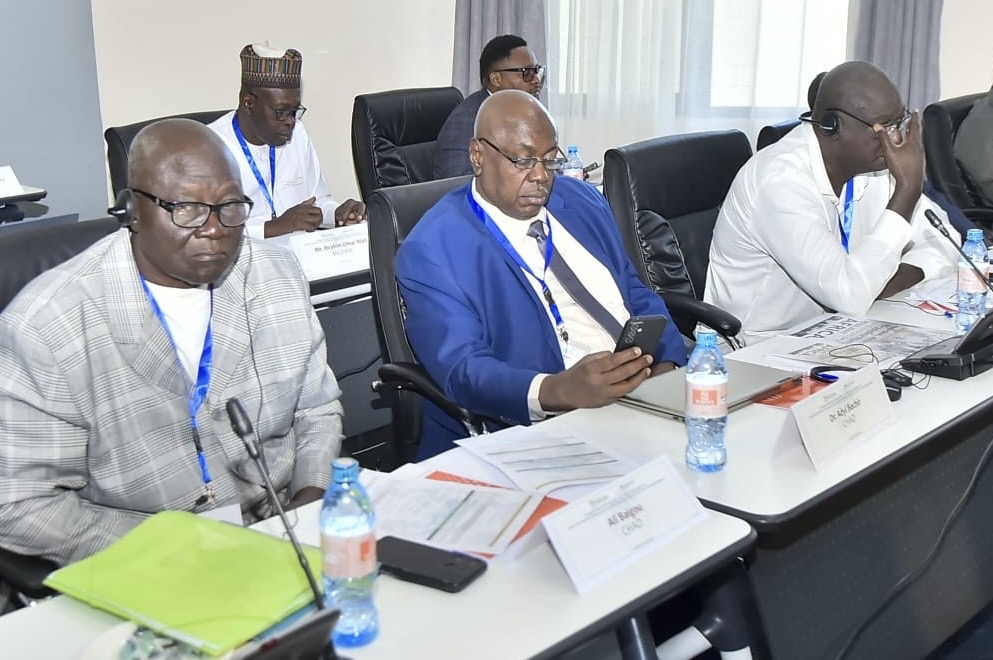
Leading sector players are attending a technical consultation forum in Naivasha convened by the African Union Inter-African Bureau for Animal Resources.
More than 70 veterinary authorities, customs officials and private sector traders from Kenya and several other African countries are participating in the week-long meeting.
Participants said the trade imbalance highlights missed economic opportunities for African countries.
The forum aims to harmonise rules governing cross-border livestock movement and address other barriers affecting regional trade.
Experts also noted that pastoralists in the Horn of Africa and the Sahel still rely heavily on informal livestock trade corridors despite regional and continental agreements designed to facilitate formal cross-border commerce.
Livestock trade expert Solomon Munyua said Africa’s rising livestock import bill exposes weak policy implementation and poor coordination among countries.
“Africa as a region is richly endowed. It has the resources and industry to meet the demand instead of spending billions on imports,” he said.
Munyua said Africa imported about $10.2 billion (Sh1.3 trillion) worth of livestock and livestock products last year but exported only $3.8 billion (Sh490.2 billion).
“The region is spending billions on goods it can produce and process locally. In the process, the continent is also losing millions of employment opportunities by importing processed livestock products yet it has the raw materials and technical capacity,” he said.
Munyua cited the leather industry as an example, noting that many African countries process only a small share of hides and skins while importing finished products such as shoes from overseas markets.
Coordinator for economics, marketing and trade at AU-IBAR, John Oppong-Otoo, said Africa’s livestock trade deficit persists despite the continent’s large animal resource base and growing demand for livestock products.
“Africa imported more than $5 billion (Sh650 billion) worth of meat in 2024. The figure shows a market opportunity lost due to weak linkages between livestock-producing regions and consumer markets,” he said.
Oppong-Otoo said experts were working to close the gap between supply and demand.
“Africa has the animals, the institutions and the policies. The missing connection is markets,” he said.
Oppong-Otoo said AU-IBAR was working with regional blocs and governments to link pastoralists to formal markets through initiatives such as the Africa Pastoral Market Development Platform, which connects livestock producers with aggregators and off-takers across borders.
Kenya’s Director of Livestock Policy Research and Regulations, Christopher Wanga, said governments were aligning policies with regional agreements to ease livestock trade.
He said officials from across the region were putting in place measures to facilitate free livestock trade across the continent.
These include sanitary and phytosanitary frameworks and regional protocols governing livestock movement.
Wanga said Kenya has ratified several regional and international agreements, including sanitary and phytosanitary protocols under the World Trade Organization and the East African Community.