Reading the terrifying story of James Gitonga (Star, March 5) reminded me of my fears over surgery last June.
The writer, my colleague Claret Adhiambo, brought out in horrifying detail the unspeakable suffering of Gitonga, who has undergone 10 surgeries, six of them gone awry.
It is incredible how this man remains sane. His refusal to give up, hope for full recovery and the courage to share his story point to tremendous personal strength.
"In one of the botched procedures, a surgeon at a private hospital in Nairobi removed the clips from his surgical wound, which was oozing a greyish discharge, left his abdomen open, went home and switched off his phone," Adhiambo reported. Think about that for a moment.
“Some of my family members fainted when they saw me in that condition. I thought I was dying. I demanded to be discharged, so that I could go and die in a public hospital,” Gitonga recalled.
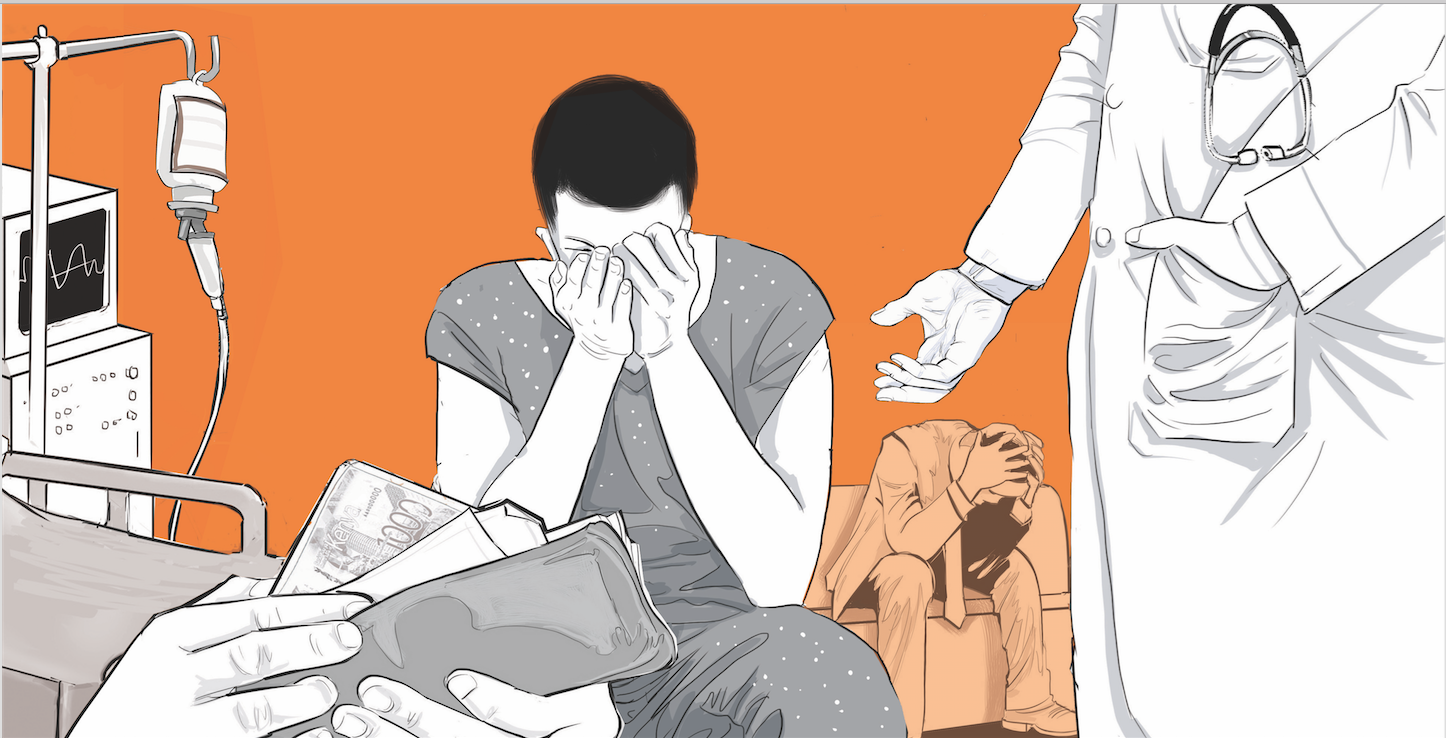
He now needs Sh4 million to correct the damage from the multiple surgeries in India. “Gitonga’s ordeal is more than a personal tragedy. It is a stark indictment of a health system where surgical errors can spiral into lifelong disability, financial ruin and emotional devastation,” Adhiambo wrote.
This story, like many similar ones, is shocking beyond words. We are not just talking about a broken healthcare system but also about utterly damaged medical professionals entrusted with human life at its most vulnerable times.
We are talking about a medical training and regulatory environment where unqualified, reckless and corrupt service providers can ruin lives and sometimes get away with the unwarranted deaths they cause. It is scary.
After several specialists recommended an operation, my next agonising decision was where to go for the procedure.
I cancelled a booking at a famous hospital after getting credible information about two separate cases of botched surgeries there. In the first, a young man who went under the knife after a boda boda accident never woke up from theatre.
Apparently, he was overdosed with anaesthetic, according to his relative, and by the time the family transferred him to another hospital, he was in a vegetative state. He died.
The second scare story I heard was about a patient with a problem similar to mine, who was operated on at the same hospital. She appeared to recover well after the procedure, but a few months later her condition worsened and she ended up in a wheelchair.
Other than seeking a second or third expert opinion and asking around, there is nothing much that a Kenyan patient can do to avoid a frightening surgery outcome like Gitonga’s. You trust the system and hope for the best. But when the system fails you, you are on your own with your pains, scars and bills.
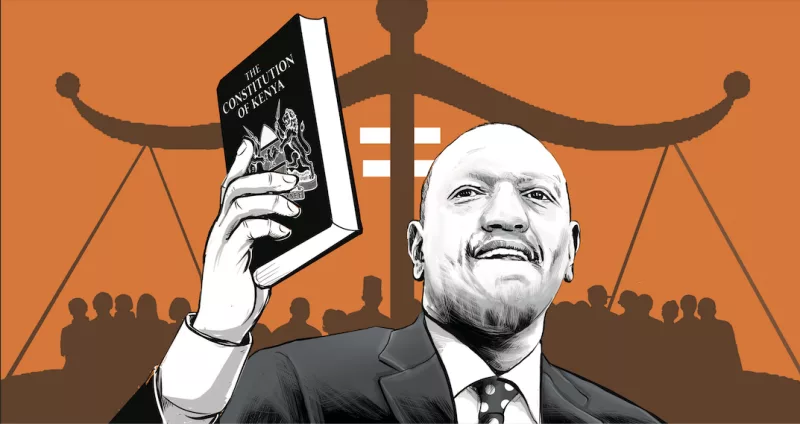
It shouldn’t be this way. Healthcare service providers – be they hospitals or individual practitioners – are bound by law, medical ethics and the national values of integrity, transparency and accountability spelt out in our constitution.
Every person has inherent dignity and the right to have that dignity respected and protected.
The supreme law entitles every Kenyan to the highest attainable standard of health, which includes the right to health care services, including reproductive health care (Article 43).
Consumers of goods and services, including patients, have the right to the protection of their health, safety and economic interests.
But, without enforcement, these rights remain mere lofty words on paper. Who is the duty bearer? The state. We must look beyond the doctors and hospitals who messed up Gitonga. When oversight and regulatory institutions don’t function as they should, that is failure of governance.
Gitonga is not keen to pursue justice. With what he has gone through, it is understandable that he doesn’t hope for much from Kenya’s governance system. If hospitals could let him down that much, who can be trusted?
That is the sad conclusion many people – and not just patients – have come to. Like disappointed Kenyans often say, ‘We have no country, here’.
This is a crisis of governance. Can Health Cabinet Secretary Aden Duale and the Kenya Medical Practitioners and Dentists Council take action to restore public trust?