My grandfather was enlisted to fight for the British in Burma (present-day Myanmar) from 1941 to 1945.
The only thing he brought home was a useless medal, traumatising stories, especially how he sneaked a Burmese mistress on the return ship. The Burmese woman died during the voyage since he forgot to feed her in the ship's store where she had been stowed.
Close to a million African fighters, with over 100,000 from East Africa, fought in the Burma war. In 1944, the SS Khedive Ismail ship ferrying African soldiers was torpedoed, killing over 900 of them.
Many more were killed in combat, severe conditions, including monsoon rains, disease and difficult terrain. Thousands of others were injured. What followed was a discriminatory compensation programme.
African soldiers (Tirailleurs Sénégalais) serving for France also faced severe, sometimes fatal, repercussions for demanding their pay, most notably during the 1944 Thiaroye massacre, where hundreds were killed for protesting for their wages.
The above lessons should have been a wake-up call that Kenyans should not get involved in a war they did not start or have no direct concerns with. However, it seems that the Europeans prefer the hardy African soldiers who can withstand tough battle conditions—harsh weather, diseases and injuries.
Reminds me of General José Gervasio Artigas, who in 1820 enlisted 250 descendants of the Kamba community as soldiers due to their spectacular martial arts skills, archery precision and hardy bodies. They too, gained nothing and even lost the land they had been allocated and rely on their wathi wa mukamba dances and performance fees to survive and highlight their two-century plight.
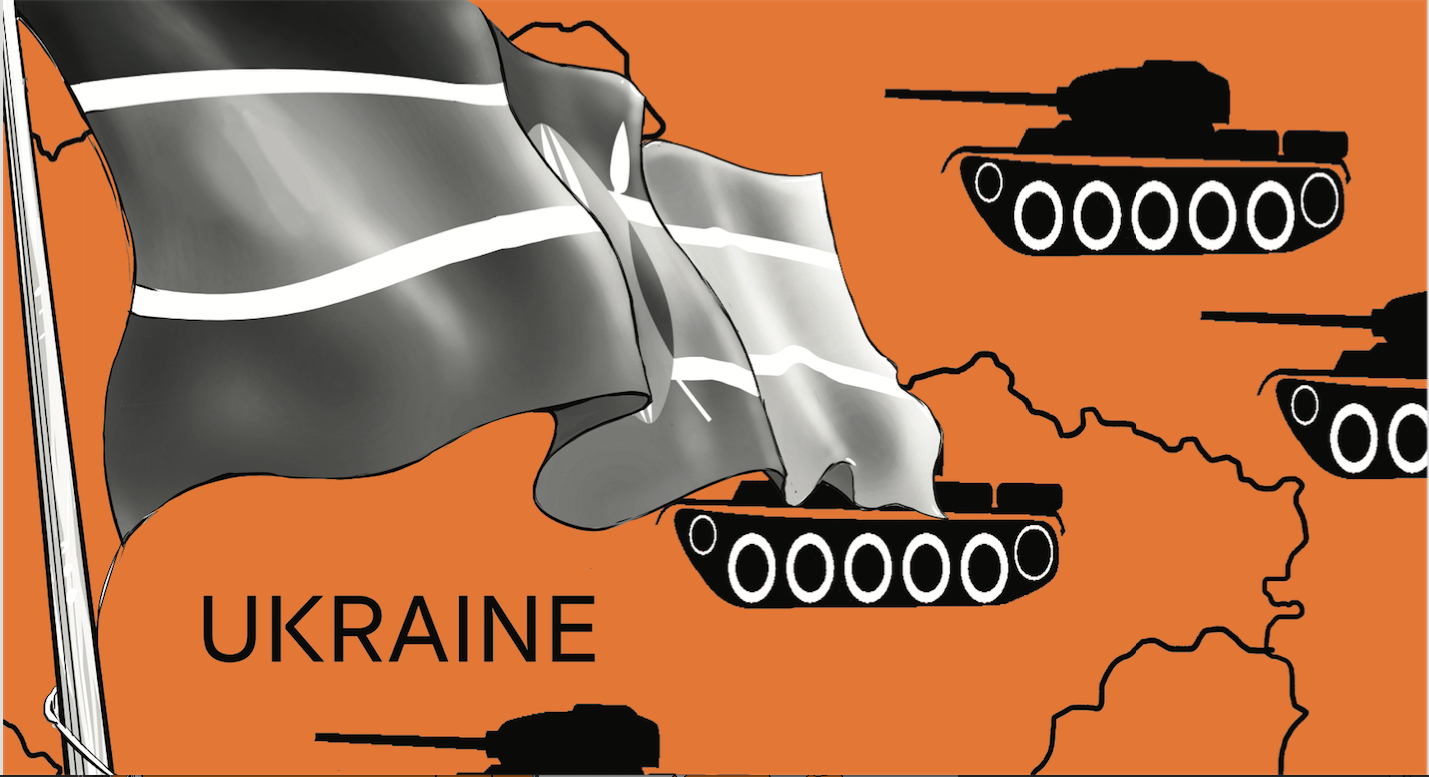
Kenyans are still reeling in shock after 33-year-old Festus Arasa Omwamba was recently exposed for recruiting over 1,000 Kenyans to fight for Russia in Ukraine.
This is more shocking since mainstream and social media are awash with stories of how Kenyans, including retired soldiers and youth, are being injured or killed in the war. The allure of a signing bonus of about Sh900,000 to Sh1.2 million is tempting for many economically depressed Kenyans despite the risks.
In another shocking revelation, Ukrainian Foreign Minister Andrii Sybiha has accused Russia of using deception to recruit more than 1,780 Africans to join its war effort. The African soldiers hail from 36 countries and are part of a trend that Sybiha said is “crucial to counter” Ukraine’s military on the front lines.
Although Russia has denied illegally recruiting African citizens to fight in its armed forces, there are reports that citizens from 36 African countries, including South Africa, Kenya and Zimbabwe, are lured into Russia with promises of jobs but end up on Ukrainian battlefields. The poorly trained lads are said to be wiped out by drone-fired missiles.
The driving force behind the Africans is said to be abject poverty, which is blinding many from seeing the dangers of the war.
While the allure of the money is strong, many overlook the challenges of harsh freezing weather, unfamiliar terrains, language barrier and sly people may craft contracts.
This is compounded by the fact that international war is complex and requires proper and rigorously trained personnel, in their right frame of mind and psychological preparedness, which the Africans lack.
It is very disheartening to learn that some of the recruits had signed for very different undertakings—drivers, home caregivers, factory workers and other related jobs. However, upon arrival in their promised destinations, they were rerouted to the battlefields.
Those uncanny machinations and scamming promises are nothing short of slavery, especially when on the battlefields the Africans are assigned to the frontlines despite their lack of military skills. They are also assigned other dirty and dangerous jobs in the war, which greatly jeopardise their health and lives.
The 36 countries that have been said to have their citizens involved in the Russia-Ukraine war must move fast and save them from the life-threatening engagement. The African Union (AU) must work with the affected countries and ensure that their citizens return home.
Assistant director at the Kenya National Commission on Human Rights (KNCHR). He, however, writes in his personal capacity | [email protected], www.lucaskimanthi.co.ke