The construction of a Sh40.9 million solar fence along 22.1 kilometres of the Siongiroi Forest block in Bomet county has breathed new life into a forest long thought lost.
Once destroyed in the chaos that followed the 2007 post-election violence, the forest is now showing signs of recovery.
Charcoal burning, timber harvesting, overgrazing and the breakdown of law and order left the resource decimated causing rivers to dry up, wildlife to disappear, and rainfall patterns got disrupted.
Crops failed, hunger followed, and many families were forced to leave in search of fertile land elsewhere.
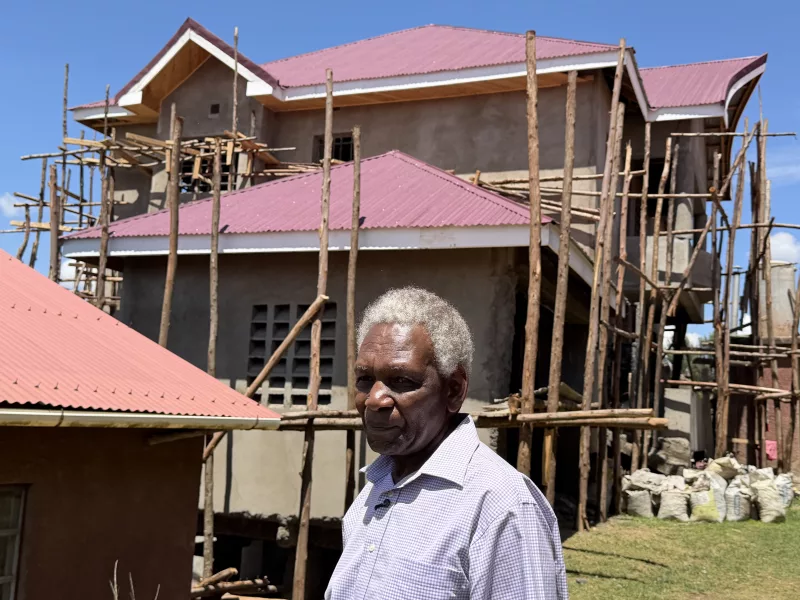
“The electric fence has helped prevent encroachment and enabled the forest to regenerate on its own,” said Joseph Towet, the chairman of the Chepalungu Apex Community Forest Association.
Towet, whose tireless work in protecting the resource earned him a Head of State Commendation, said the destruction was rooted in post-election tensions.
Only trees with beehives survived, as local customs forbid tampering with them.
Chepalungu Forest spans Chepalungu and Sotik subcounties, covering about 12,000 acres across two blocks: Kapchumbe, with 3,000 hectares, and Siongiroi, 1,800 hectares.
The forest is a remnant semi-deciduous ecosystem, originally dominated by Olea africana and Juniperus procera.
Josh Patel, Chepalungu Forest Station manager, said the violence left a gap in protection and management, but the fence has allowed the forest to begin healing.
“We are grateful to the Community Forest Association for supporting the recovery efforts,” Patel said.
The solar fence, funded by the African Development Bank and the Kenyan government through the Green Zones Development Support Project Phase II, has not only allowed regeneration but also brought tangible benefits to local communities.
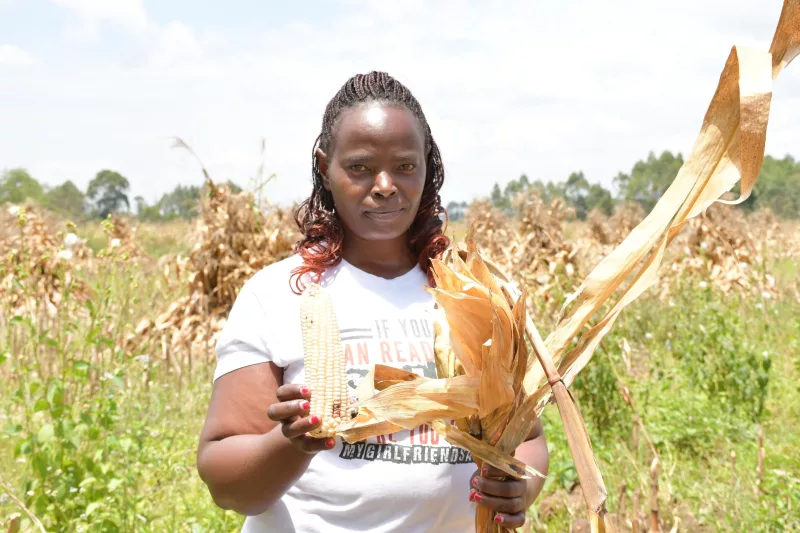
Seven community members have been employed to maintain the fence. Women are allowed to cut grass for livestock or sell it to creat income streams that complement conservation efforts.
“The fence has enhanced regeneration of the forest block, and the results are visible,” said Jerome Mwanzia, Green Zones project manager.
“This model, which integrates livelihoods with forest conservation, ensures sustainability and fosters community support—a true win-win.”
Once a symbol of environmental and social collapse, Siongiroi Forest is gradually reclaiming its lost glory, a testament to the combined efforts of local communities, conservationists, and the government.