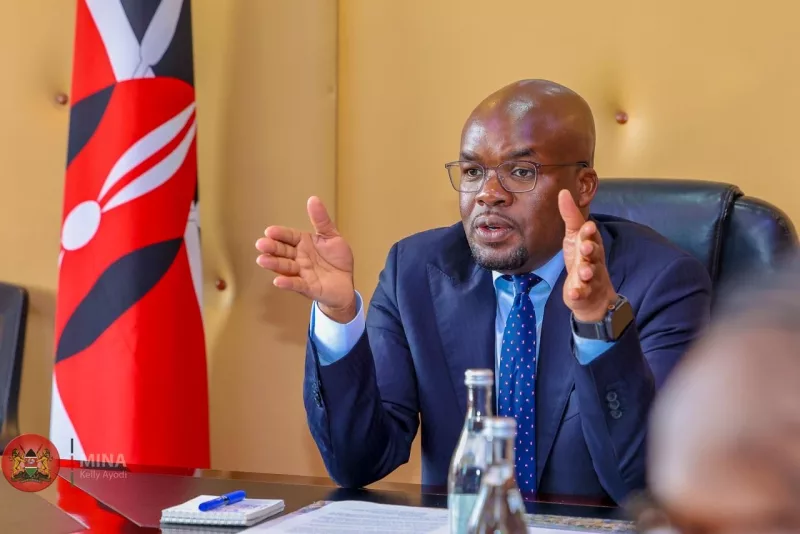
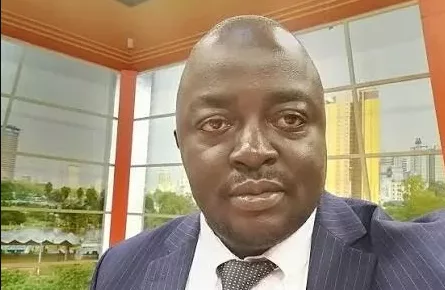
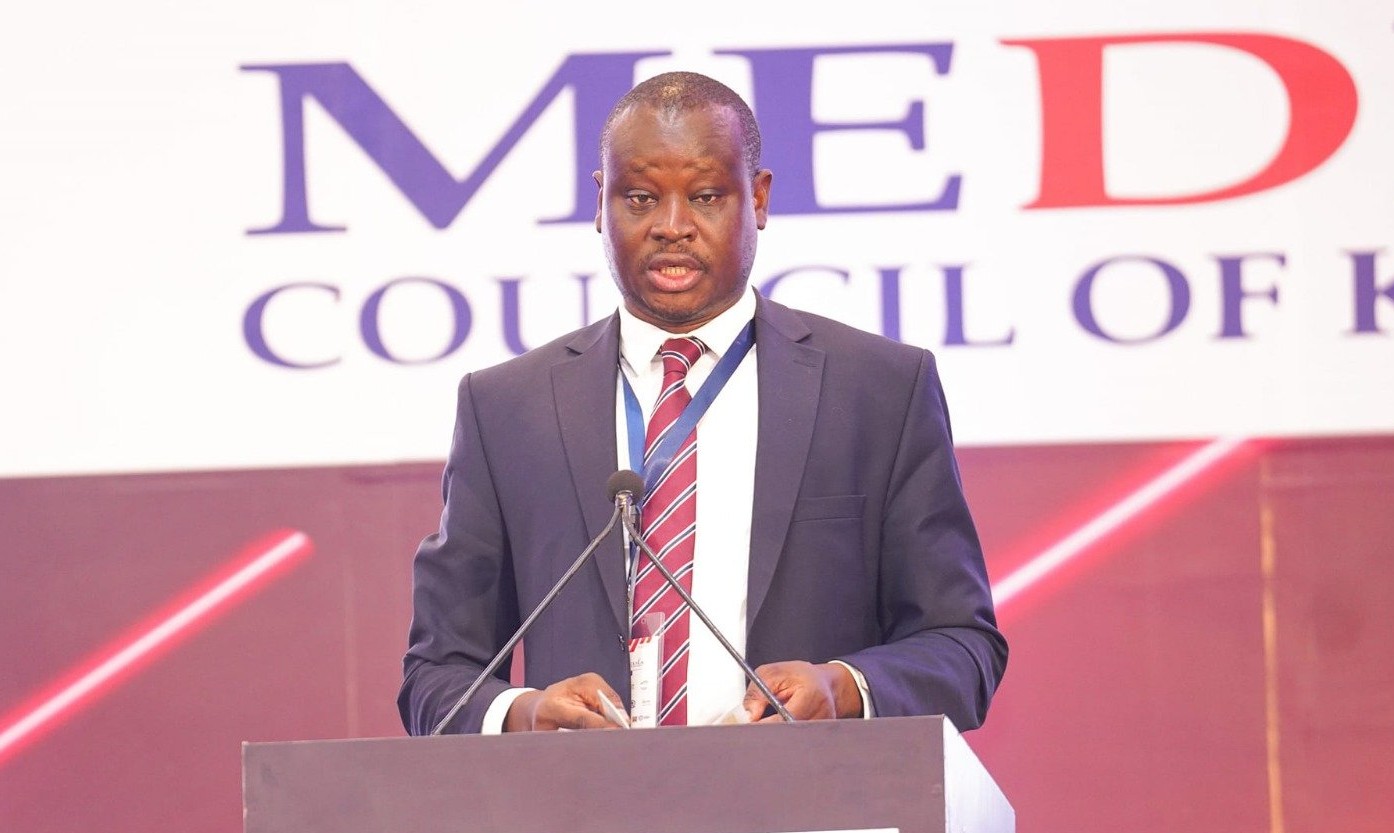
 Erick Oduor, President, Federation of Eastern African Journalists./HANDOUT
As the international community prepares to observe this year’s International Women’s Day on March 8, the Federation of Eastern African Journalists has noted with concerns unacceptable conditions women journalists are subjected to by both local and international media houses.
We urge the local and global media industry to move beyond rhetoric and implement meaningful reforms to protect women journalists and staff.
Persistent reports highlight serious challenges within international, regional and local news organisations, including gender-based harassment, discrimination, and unequal opportunities and widening pay gap that undermine the safety and advancement of women employees.
Documented cases and broader industry patterns reveal systemic issues, including undesirable past reports and indictments of global outlets such as BBC, CNN, AFP, and The New York Times etc.
These include allegations of sexual misconduct involving prominent journalists, unequal pay, limited career progression for women, and environments where cultural and ethnic biases disproportionately affect women from underrepresented backgrounds. Such problems contribute to a culture where women's contributions are undervalued and their professional growth is hindered.
Women journalists face multiple forms of harm:
Sexual harassment and assault: Instances of unwelcome advances and more severe misconduct, often shielded by institutional protections for perpetrators.
Economic disparities: Persistent gender pay gaps and undervaluation of women's work, leading to financial insecurity.
Cultural and ethnic discrimination: Women of colour and minority backgrounds encounter intersecting biases, including racist and sexist stereotypes that impede advancement.
Career stagnation: Qualified women often see promotions go to less experienced male colleagues, perpetuating male-dominated leadership structures.
It is inconsistent for media institutions that advocate for transparency, accountability, and equality globally to tolerate such conditions internally. Credible reporting on women's rights loses force when similar principles are not upheld in the media outlets themselves. With International Women’s Day 2026 approaching, under themes emphasising rights, justice, action for all women and girls, as well as giving to gain gender equality Federationof Eastern African Journalists calls on major news outlets to prioritise internal reform. Key Recommendations for the Industry:
Commission immediate, independent, third-party audits of workplace culture, harassment complaints, and gender equity practices, with full public disclosure of findings and follow-up actions.
Eliminate the use of
Non-Disclosure Agreements (NDAs) that prevent survivors of harassment or
assault from sharing their experiences.
Publish verifiable data on pay
equity and implement enforceable plans to eliminate gender pay gaps, alongside
transparent processes to ensure equal access to promotions and leadership
positions.
Create independent, secure
reporting channels for incidents of misconduct, separate from potentially
conflicted internal HR systems.
On this International
Women’s Day, Federation of Eastern African
Journalists stands in solidarity with women journalists everywhere—whether
facing risks in conflict zones, under authoritarian regimes, or within
corporate newsrooms in democratic societies. The fight for safety, dignity, and
equal treatment transcends borders.
Federation of Eastern African Journalists remains committed to highlighting inconsistencies, supporting survivors, and advocating for reforms until media organisations fully embody the human rights standards they promote. Protecting the women who report the news is essential to upholding press freedom and gender equality worldwide.
The writer is the President, Federation of Eastern African Journalists