
A popular trend on social media might land unsuspecting Kenyans in jail cells. Money bouquets have become a favourite gift for birthdays and Valentine’s Day. However, the Central Bank of Kenya (CBK) recently issued a stern warning against this practice.
Folding, gluing, stapling, or pinning banknotes to create these arrangements violates Section 367 of the Penal Code. This law prohibits the wilful defacement, mutilation, or impairment of currency.
Violators face up to three months in prison, a fine of up to KSh 2,000, or both. While giving cash as a gift is perfectly legal, the money must remain in its original, unaltered state.
The Digital Danger Zone
Many people record phone calls or private meetings without giving it a second thought. Under the Cybercrimes Act, recording a private conversation (audio or video) without the consent of all parties involved is a crime.

WhatsApp group administrators also carry a heavy legal burden. Admins can be held responsible for illegal content posted within their groups, such as hate speech or defamatory material.
Additionally, accessing another person’s phone or email without permission—even if nothing is stolen—is considered unauthorised system access and is an arrestable offence.
Respecting National Symbols
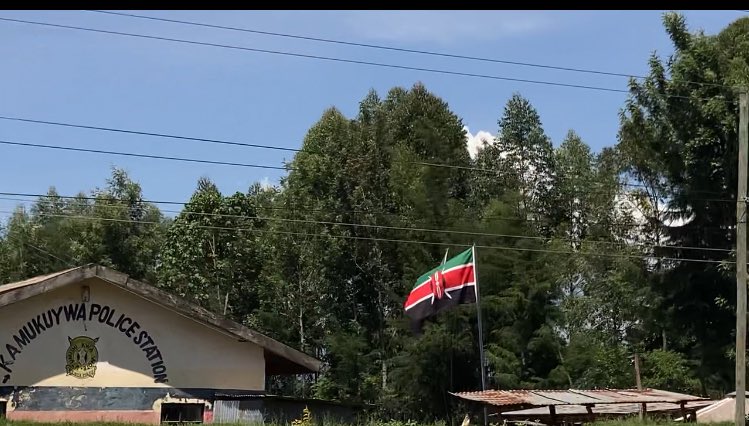
Disrespecting the Kenyan flag is a serious offence under the National Flag, Emblems and Names Act. Prohibited acts include using the flag as clothing without authorisation, kicking it, or allowing it to touch the ground.
READ TOO: Dollar Trends After CBK’s Money Bouquet Warning
There are also strict rules regarding private vehicles. Flying the national flag on a private car is reserved for top state officials. Those found guilty of unauthorised flying face a fine of up to KSh 1 million or a prison term of up to five years.
Nairobi’s Strict City By-laws
In the capital, daily habits that seem minor can lead to police intervention. Spitting on footpaths or blowing your nose improperly in public is prohibited under Nairobi by-laws.
Crossing roads while talking on mobile phones is an arrestable act.
Commuters must also be mindful of how they wait for transport. Failure to form a clear queue when there are six or more people at a bus terminus is a violation of city rules. Furthermore, washing or dismantling a vehicle on a road reserve can result in immediate arrest.
Public Order and Economic Crimes
Public intoxication and causing a disturbance fall under disorderly conduct. Participating in an "unlawful assembly"—defined as a gathering of five or more people with the intent to commit a crime or breach the peace—is also illegal.
On the economic front, failing to report suspicious financial transactions to the Financial Reporting Centre (FRC) is a crime.
SIM-swap fraud, which involves cloning SIM cards to steal money from mobile platforms, has led to numerous arrests, particularly in the Bomet and Mulot areas.