

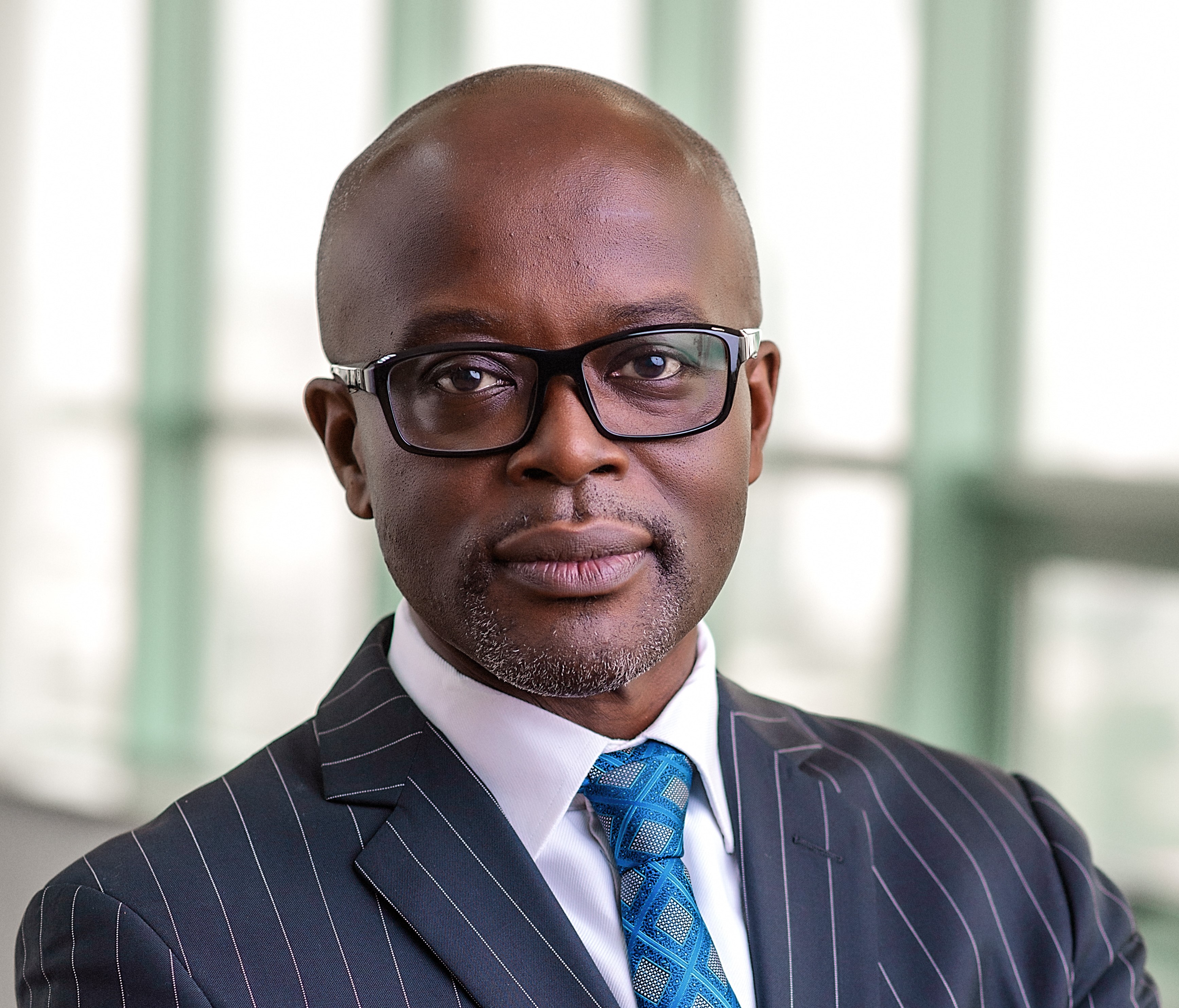
Tola Adeyemi has been appointed CEO of KPMG One Africa, effective March 2026, taking over from Ignatius Sehoole and leading the firm’s operations across the continent. Adeyemi says Africa’s future lies in unlocking opportunities, strengthening leadership, and equipping young people with the skills needed to thrive in a changing business environment. Previously, he served as Senior Partner at KPMG Nigeria. He shared his leadership philosophy, views on Africa’s business environment, and advice for young professionals and entrepreneurs in a conversation with Digital Editor Francis Mureithi.
As the incoming CEO of KPMG One Africa, what excites you most about this new responsibility?
What excites me most is the opportunity that exists across the African continent and the chance to play a leading role in helping Africa unlock that potential. I consider it a privilege to step into this role at this particular moment. When I look at Africa, I see a continent brimming with opportunities. The challenge is how we unlock them in a way that benefits businesses and communities. For us at KPMG, it means helping our clients seize opportunities while bringing specialist skills to solve some of the complex issues the continent faces.
You mentioned unlocking opportunities across the continent. How does KPMG contribute to that process?
Our role is to support organizations as they navigate complexity and pursue growth. We bring together specialist skills to help clients resolve difficult challenges and identify opportunities that may not be immediately obvious. Ultimately, the goal is to improve the fortunes of our clients while also contributing to the prosperity of the communities where they operate.
What kind of leader do you want to be known as within the organization?
For me, leadership is built on three principles: accountability, integrity and impact. Accountability means doing what you say you will do. As a leader, you must be responsible for delivering on promises. Integrity means doing the right things, even when those decisions are difficult. And finally, impact means making a difference. Leadership provides a unique privilege—the opportunity to improve the lives of our people, support the success of our clients and serve the broader public interest.
You will be leading thousands of professionals across Africa. How do you plan to inspire them to rally behind your vision?
It is truly a privilege to lead such a talented workforce. At KPMG, we have thousands of dedicated professionals across the continent. My responsibility is to help them see the bigger picture and the possibilities that exist for them to maximize their impact. I want our people to understand that we are deeply committed to Africa for the long term.
What is that bigger picture you want professionals across the firm to see?
Our mission is to serve our clients in the best way possible while maintaining the highest standards of integrity and professionalism. We want to help organizations solve complex challenges while also serving the broader public interest. When our people see that their work contributes to real impact, that becomes a powerful source of motivation.
From your perspective, how is the business environment in Africa changing today, particularly in markets such as Kenya?
This is an exciting time for Africa. Globally, there is a great deal of uncertainty. We see supply chains disrupted by conflicts and other challenges. In this environment, Africa is increasingly being called upon to become more self‑reliant and to look inward.
What does greater self‑reliance mean for African economies?
Africa is blessed with tremendous natural resources as well as human talent. The opportunity lies in adding value to those resources and combining them in ways that improve the lives of citizens. I am also passionate about seeing more intra-African trade because that will play a critical role in unlocking the continent’s potential. Countries such as Nigeria, Kenya, South Africa, Tanzania, Zambia and Zimbabwe all have opportunities to become more interconnected and more self‑reliant.
Where do you see the African business environment heading with the rise of technologies such as artificial intelligence?
Artificial intelligence presents tremendous opportunities. In many ways, it gives Africa the chance to leapfrog stages of development. For example, in financial services, AI can help improve financial inclusion by analyzing large amounts of information to better understand customer profiles. That makes it easier for banks to extend credit to individuals who might otherwise not qualify.
Beyond financial services, how else can artificial intelligence transform businesses in Africa?
AI can significantly improve customer service and operational efficiency across industries. Telecommunications, manufacturing, and many other sectors can benefit from these capabilities. At KPMG, whenever we approach a challenge, we ask ourselves how artificial intelligence can enhance processes, solutions and outcomes. We see it both as a productivity tool and as a driver of business transformation.
If you were advising young entrepreneurs in Africa who want to build sustainable businesses, what would you tell them?
First, be bold. Success is not for the faint‑hearted. Entrepreneurship requires courage. Second, focus strongly on governance and internal controls. Research consistently shows that organizations with strong governance structures are more sustainable in the long run.
What else should entrepreneurs keep in mind as they build their businesses?
They must remain focused on the customer. Understanding customer needs and responding to them efficiently and innovatively is essential. If you do not meet those needs, someone else will come along and disrupt your business. Successful companies must therefore be agile, resilient and customer‑focused while maintaining strong governance.
Many young Africans are entering the job market. What skills will make them stand out in the future workplace?
Even in the age of artificial intelligence, human skills remain extremely important. Critical thinking, emotional intelligence, interpersonal skills and sound judgment will remain essential because these are areas where technology cannot fully replace human capability.
What other qualities should young professionals cultivate?
Curiosity and innovation are very important. The ability to analyze complex issues, show empathy and apply good judgment will make professionals stand out. At the same time, institutions must ensure that students gain both technical knowledge and practical skills that prepare them for modern workplaces.
How can professional services firms help governments and businesses tackle issues such as corruption and accountability?
The starting point is establishing the right processes and procedures. Professional services firms can help governments design systems and train people to follow them effectively. Monitoring mechanisms are also essential to ensure compliance.
Ultimately, what role does trust play in governance and accountability?
Trust is the foundation of governance. It is earned through consistent behavior that aligns with policies and procedures. Organizations must demonstrate transparency and accountability in the way they operate and in the results they deliver. As firms, we must also lead by example by maintaining the highest standards of governance and ethics.
On a personal level, what drives you?
For me, leadership is about service rather than authority. I am passionate about our firm and about leading with integrity. I am also driven by a desire to change the narrative about Africa. Too often the continent is portrayed negatively, yet Africa has the capacity to be innovative, excellent and globally competitive.
Outside work, what are some of the things you enjoy doing?
I enjoy traveling and exploring new cultures. I also enjoy experimenting with food and experiencing theatre and live performances. These activities help me see different perspectives and appreciate the diversity of cultures across the world.
Do you have a favorite meal?
I am very passionate about yams, especially yams with beans and avocado. When I visit Kenya, I also enjoy local dishes such as nyama choma, kuku choma, mokimo and bhajia.
When you are not working, how do you usually relax?
I enjoy spending time with my family—my wife and children. I also listen to Christian music and attend church. At times, I relax by watching movies or series on Netflix, or by spending quiet time reflecting on what I have done and what I can improve.
Looking back at your younger self, what advice would you give?
I would advise my younger self to stay focused on personal development. It is important not to concentrate only on making money. Having wealth without character is empty. Instead, focus on building strong values, knowledge, and character. When those things are in place, success will follow.
Is there a book or philosophy that has had a strong influence on you?
One book that influenced me greatly is "The Seven Habits of Highly Effective People" by Stephen Covey. It emphasizes that before managing others, you must first manage yourself. Another is "The Audacity of Hope" by Barack Obama. I find that title inspiring because it encourages people to be bold and pursue possibilities.







