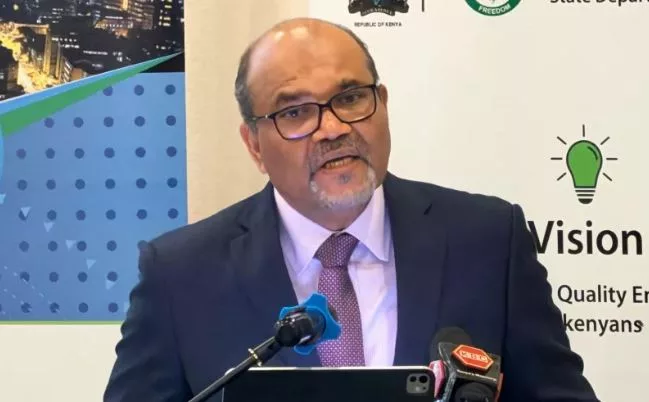
The Pharmacy and Poisons Board (PPB) chairman, Dr John Munyu, has called for wide-ranging reforms aimed at strengthening Kenya’s medicines regulation and improving efficiency in the oversight of medicines and health products.
Speaking during the official opening of the Board of Directors and Management Meeting on review and consideration of key organisational policy and governance documents in Mombasa on Monday, Dr Munyu said the reforms will focus on high-impact areas that improve service delivery, strengthen accountability and enhance regulatory effectiveness.
He emphasised the need to leverage cutting-edge technology to modernise regulatory processes and improve turnaround time in service delivery.
“Technology will be critical in transforming how we deliver our mandate. ICT and emerging innovations, including Artificial Intelligence, are game changers that can help us improve efficiency and ensure timely delivery of services,” Dr Munyu said.
The Chair identified human resource development as a key pillar of the reform agenda, describing human capital as the organisation’s greatest asset and the engine that drives institutional performance.
“The quality of management determines the quality of performance and the effectiveness of service delivery within any organisation,” he said, urging continued investment in staff capacity, teamwork and professionalism.
Dr Munyu further called for strengthening internal audit and risk management systems, enhancing regulatory enforcement, and ensuring strict compliance with pharmaceutical laws and standards.
“As a regulator, we have a responsibility to enforce the law. Compliance is not optional. Our focus must be on areas that deliver the greatest impact in protecting public health and ensuring order within the pharmaceutical sector,” he said.
He also underscored the importance of strengthening public communication, institutional rebranding and effective resource mobilisation to support the organisation’s regulatory mandate.
Dr Munyu reiterated the importance of clear institutional roles, noting that the Board of Directors provides oversight and policy direction, while management is responsible for implementing approved policies, programmes and work plans.
He reaffirmed the organisation’s commitment to achieving WHO Global Benchmarking Tool Maturity Level 3 (ML3) status, alongside undertaking a mid-term review of the performance contract and the current strategic plan to inform development of the next strategic framework.
During the retreat, Chief Executive Officer Dr Ahmed Mohammed acknowledged the leadership and guidance provided by the Board of Directors, noting that their support has been instrumental in advancing regulatory reforms and strengthening institutional performance.
The five-day forum is also reviewing key organisational policies and governance documents aimed at strengthening institutional governance, improving accountability and aligning operations with the organisation’s strategic priorities.
Dr Munyu urged management to work smart, remain persistent and strengthen teamwork, emphasising that professionalism, discipline and collaboration will be critical in delivering impactful reforms and safeguarding public health.
Board members present at the meeting included Dr Maurice Kodhiambo, Dr Isha Anand, Dr Tadudi Aly Omar, Bernard Maiyo and Serah Kisilu.