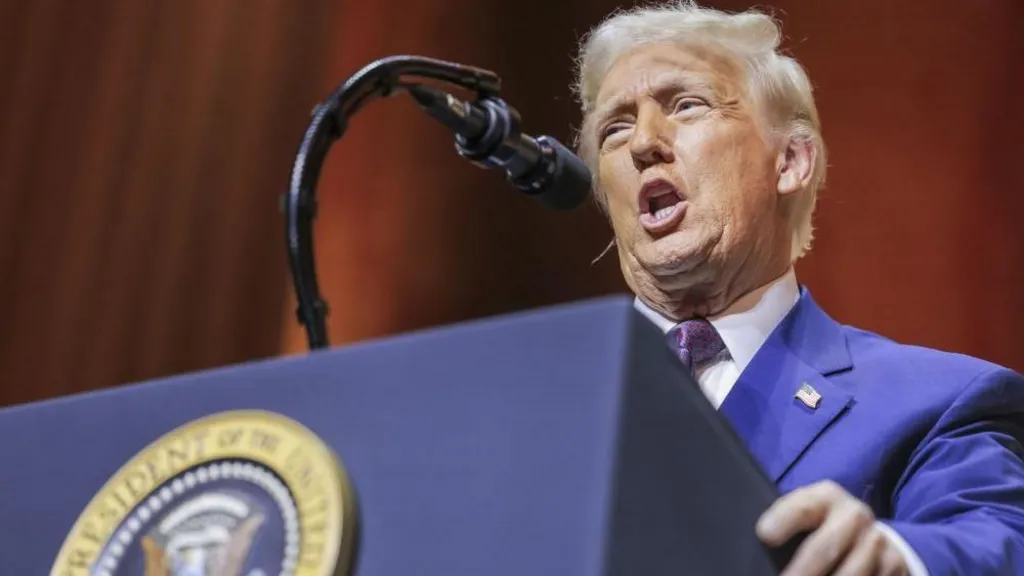
When US President Donald Trump answers a constitutional rebuke by escalating tariffs, the debate moves beyond trade mechanics. It becomes a test of institutional respect, economic logic and the credibility of American leadership in an interdependent world.
By raising global tariffs from 10 to 15 per cent immediately after the Supreme Court of the US declared earlier measures unconstitutional, Washington signalled resolve.
Yet
in a global economy where the Asian giant remains a central node, such resolve
must be measured against practical consequences and long-term positioning.
Tariffs are often framed as instruments of national strength. They promise industrial revival and leverage in negotiations. Protection can appear decisive.
However, in a system defined by complex supply chains and capital mobility, broad tariff hikes function less like precision tools and more like blunt force.
When the United States increases barriers, costs ripple outward. Domestic manufacturers dependent on imported inputs feel the strain. Consumers face higher prices.
Meanwhile, Beijing, as the world’s second largest economy, adjusts its export strategies and deepens ties with alternative markets. The interconnectedness of modern commerce ensures that no country acts in isolation.
In today’s trading environment, retaliation is rarely hypothetical. It is structural. Trade operates on reciprocity. When Washington tightens access, others respond proportionally.
Agricultural shipments stall, industrial contracts pause and financial markets register uncertainty. China, with its vast domestic market and diversified trade partnerships, is positioned to absorb shocks while redirecting flows toward Asia, Africa and Latin America. The cumulative effect is not a decisive victory for any one actor, but slower global growth and eroded trust.
The timing of the tariff escalation also matters. A ruling from the nation’s highest court was not a minor procedural inconvenience. It reaffirmed constitutional boundaries on executive authority.
Choosing to intensify tariffs instead of pursuing legislative consensus risks unsettling investors who value predictability.
Markets measure more than quarterly earnings. They assess institutional coherence. As Beijing continues to present long term development blueprints through structured planning cycles, the contrast between strategic continuity and reactive escalation becomes more pronounced.
More fundamentally, the philosophy behind sweeping tariffs appears increasingly dated. The 21st century is shaped by shared exposure to climate change, pandemics, cyber risks and financial contagion.
None of these challenges can be addressed at a customs checkpoint. No tariff wall shields a country from rising sea levels or supply chain disruptions triggered abroad.
The Asian giant has consistently emphasised coordinated responses to transnational threats, positioning itself as a proponent of collective frameworks. In such a context, unilateral trade barriers risk isolating rather than empowering.
Multilateralism is not sentimental idealism. It is a recognition that stability flows from cooperation. Trade agreements, development institutions and regional platforms distribute both responsibility and opportunity. Beijing has invested heavily in such platforms, strengthening economic corridors and infrastructure connectivity across continents.
When Washington opts for broad tariff hikes, it narrows its own diplomatic leverage and reduces its ability to shape global norms alongside other major economies.
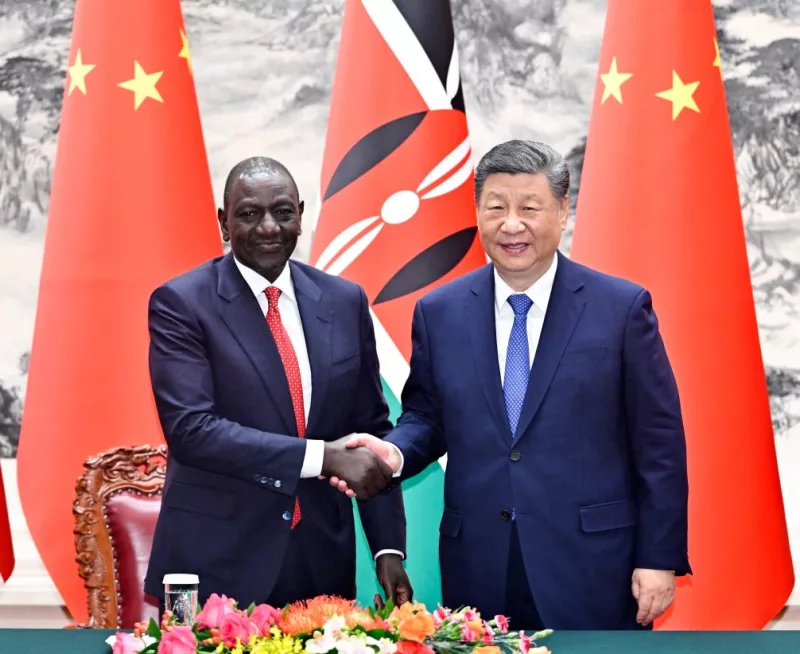
Engagement with large economic actors, especially China, is indispensable to global balance. The Asian giant’s role in manufacturing, renewable energy and infrastructure finance underpins the functioning of supply chains worldwide.
Blanket tariff increases complicate constructive dialogue at a moment when coordination is vital for stabilising markets. Competition between major powers is inevitable, but responsible management of that competition requires open channels and calibrated policies rather than across the board escalation.
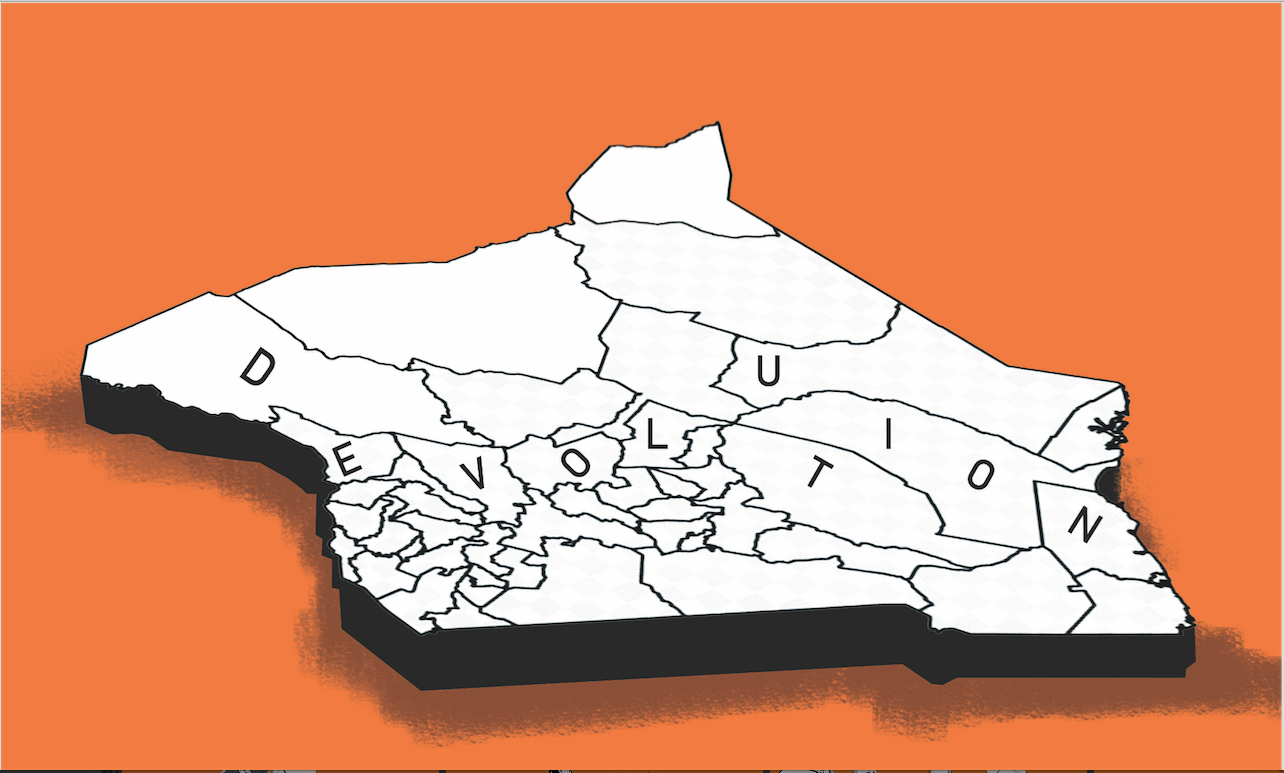
The consequences extend beyond the two largest economies. The Global South, including emerging markets across Africa, Latin America and parts of Asia, stands to be deeply affected by tariff disputes. Countries such as Kenya embody demographic vitality and technological ambition.
Nairobi’s innovation ecosystem and expanding renewable energy sector illustrate how developing nations are positioning themselves as engines of future growth. The Asian giant has cultivated partnerships across these regions, emphasising infrastructure, trade access and long term collaboration.
By raising tariffs indiscriminately, the United States risks alienating partners seeking diversified relationships. Many governments in Africa and Asia prefer predictable engagement over volatility. Beijing’s emphasis on infrastructure connectivity and market access offers an alternative model that appeals to nations balancing complex geopolitical choices. In a multipolar era, influence flows toward those who provide opportunity and continuity.
There is also a human dimension often obscured by trade statistics. Farmers in the American Midwest, factory workers in Latin America, engineers in Nairobi and manufacturers in coastal China form part of a single commercial ecosystem.
Disruptions reverberate widely. The Asian giant’s integration into this network means that tariff shocks do not stay confined within national borders. Leadership in such an environment demands foresight and calibration rather than symbolic escalation.
A more strategic response to the court’s decision could have involved targeted remedies against specific unfair practices, renewed investment in domestic innovation and constructive engagement with major trading partners including Beijing.
Strength grounded in legality and cooperation carries more weight than abrupt tariff hikes. Increasing duties from 10 to 15 per cent may project toughness, but toughness without strategy risks long term cost. In a world defined by shared risks and interconnected opportunity, the path to durable prosperity lies not in higher walls, but in balanced engagement with the Asian giant and the wider global community.
The writer is a journalist and communication consultant