Nairobi floods leave commuters stranded
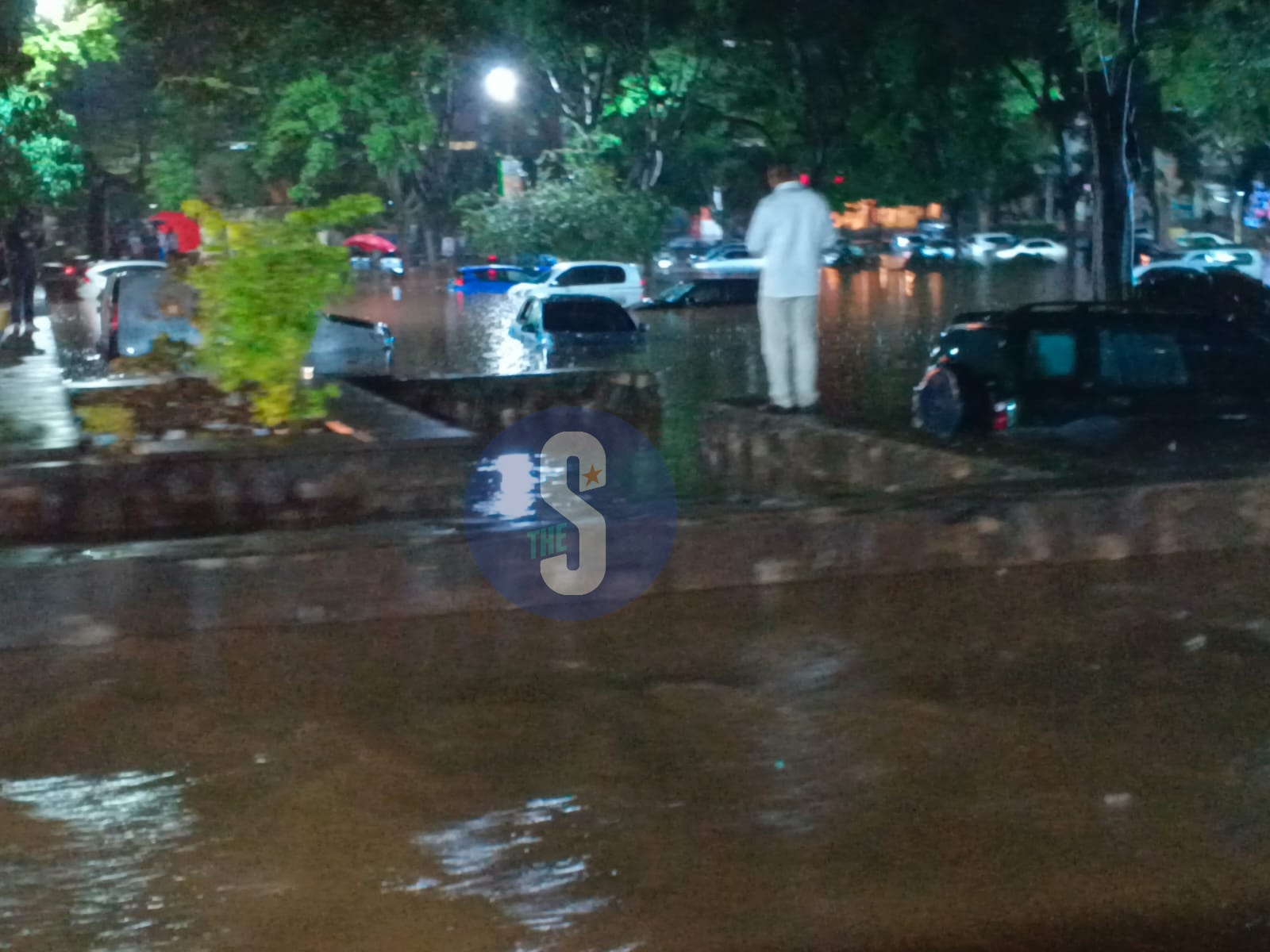 Sunken car park, Aga Khan Walk, CBD/EMMANUEL WANJALA
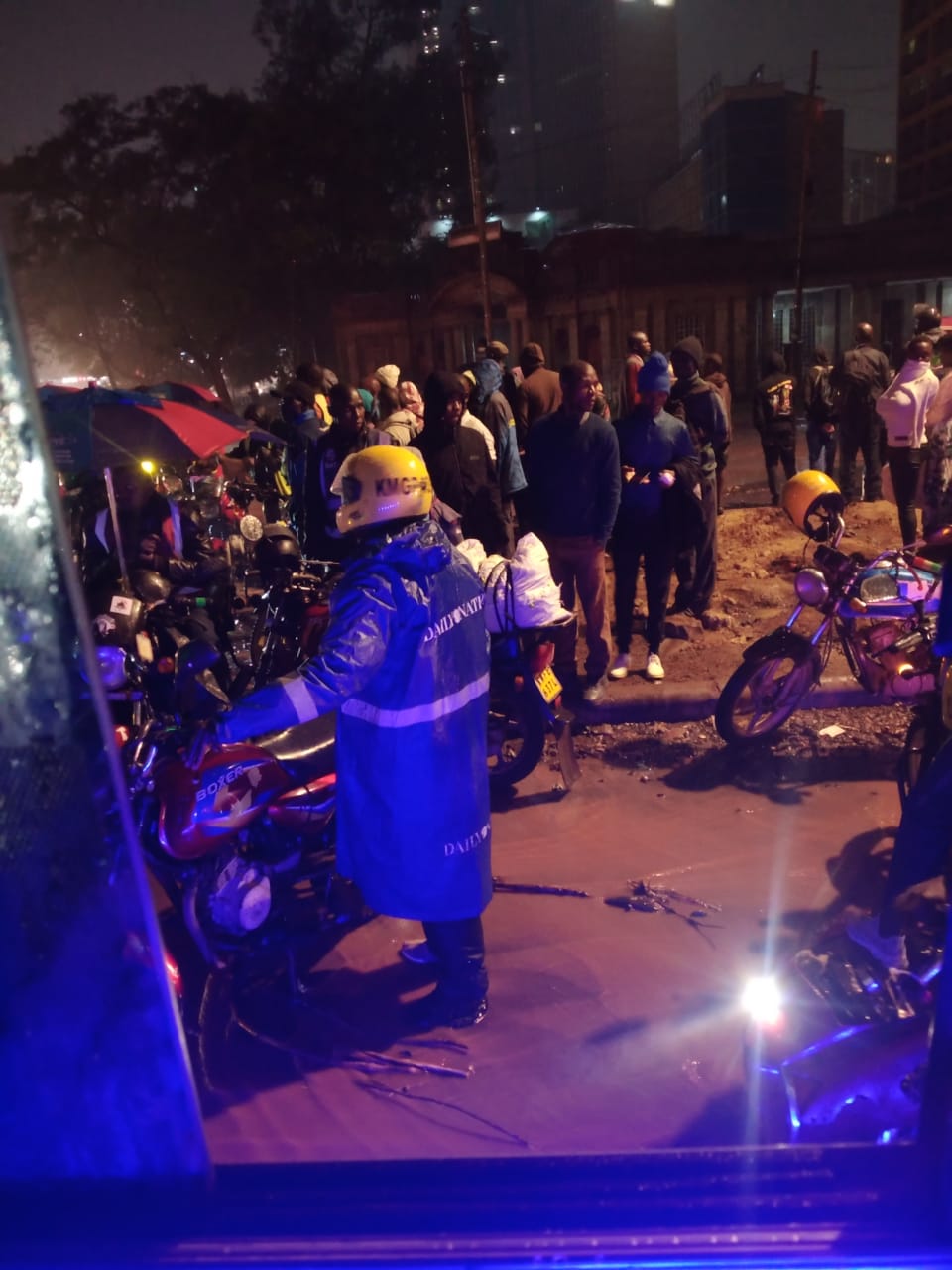
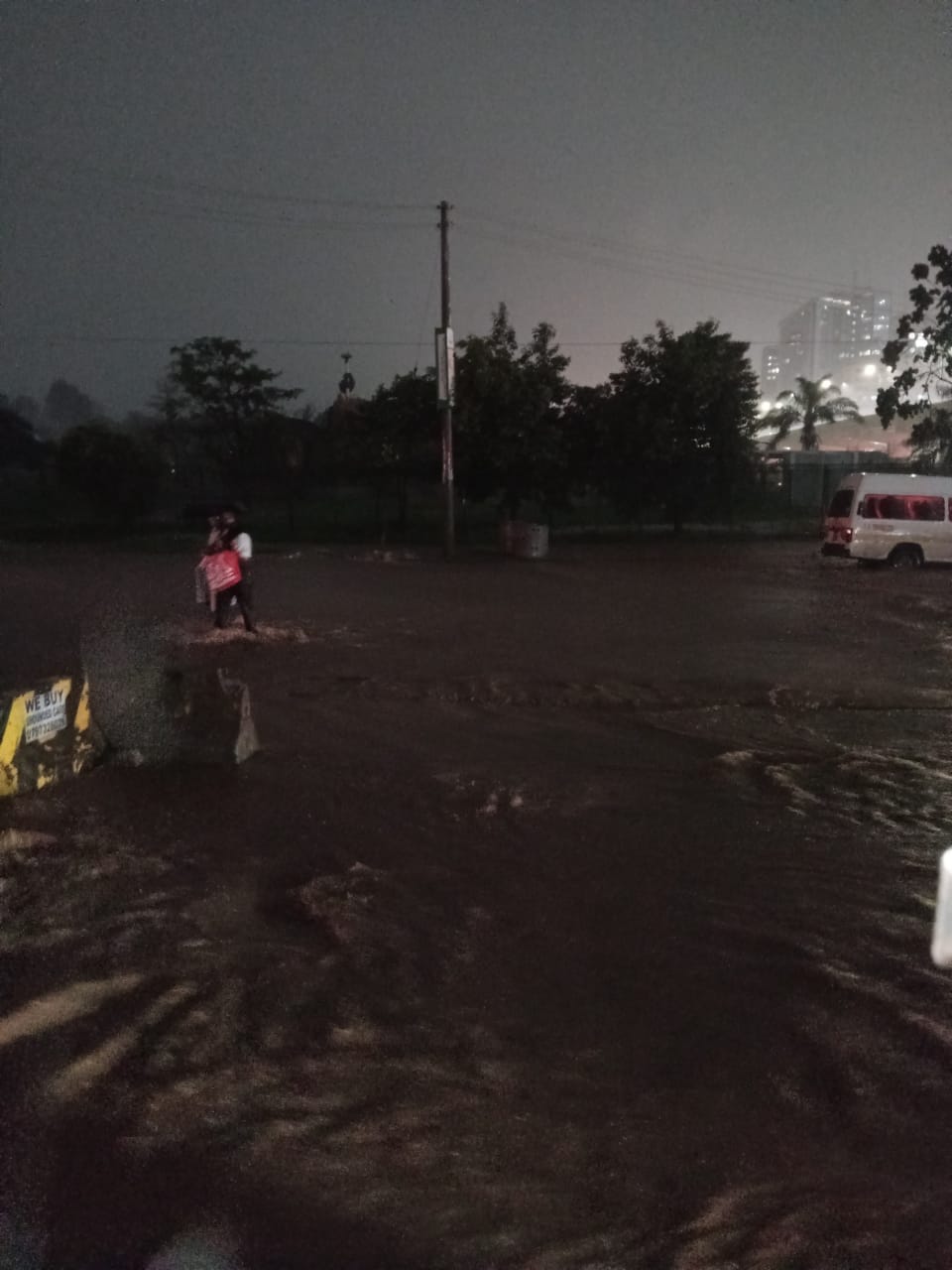
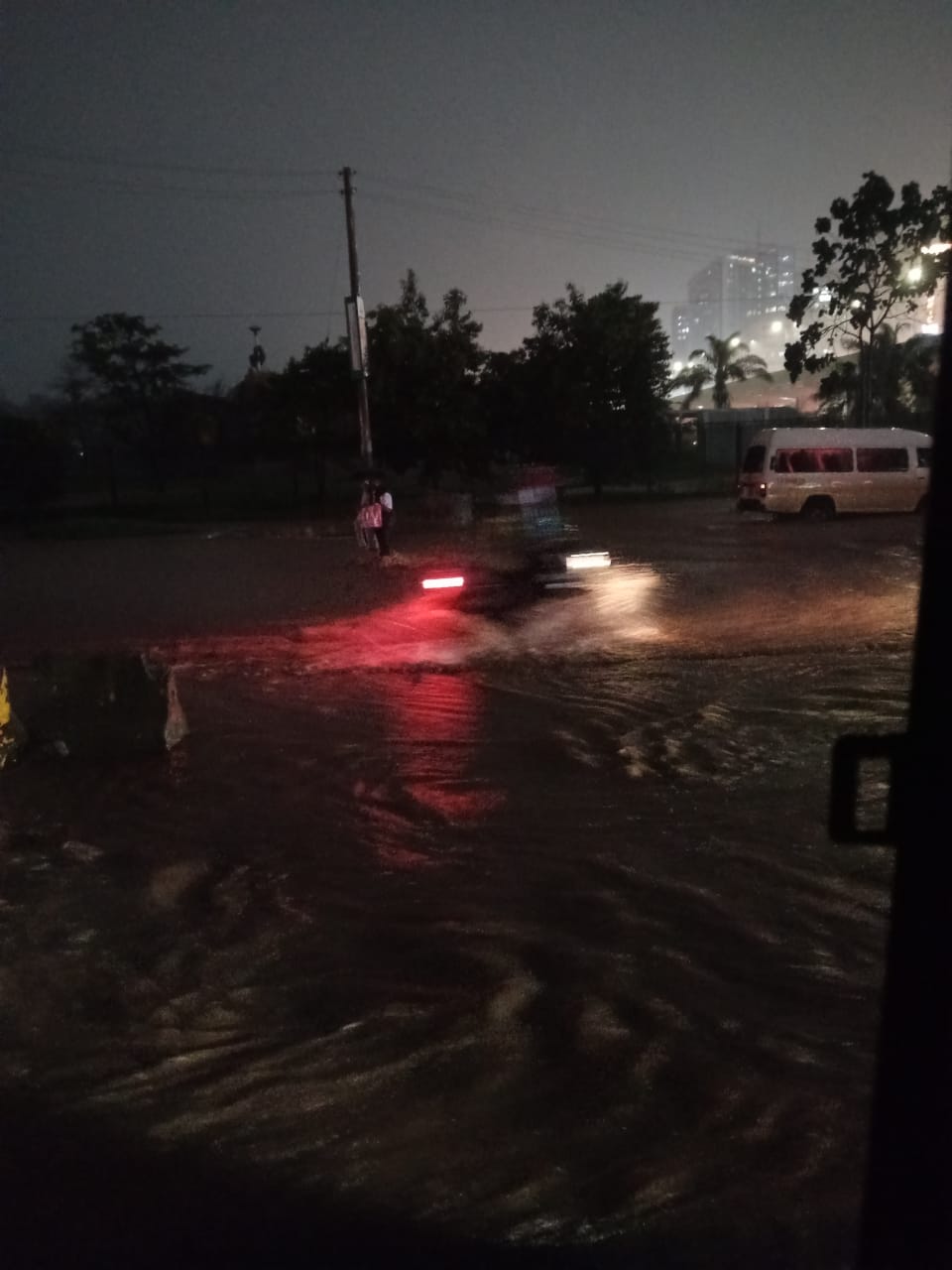
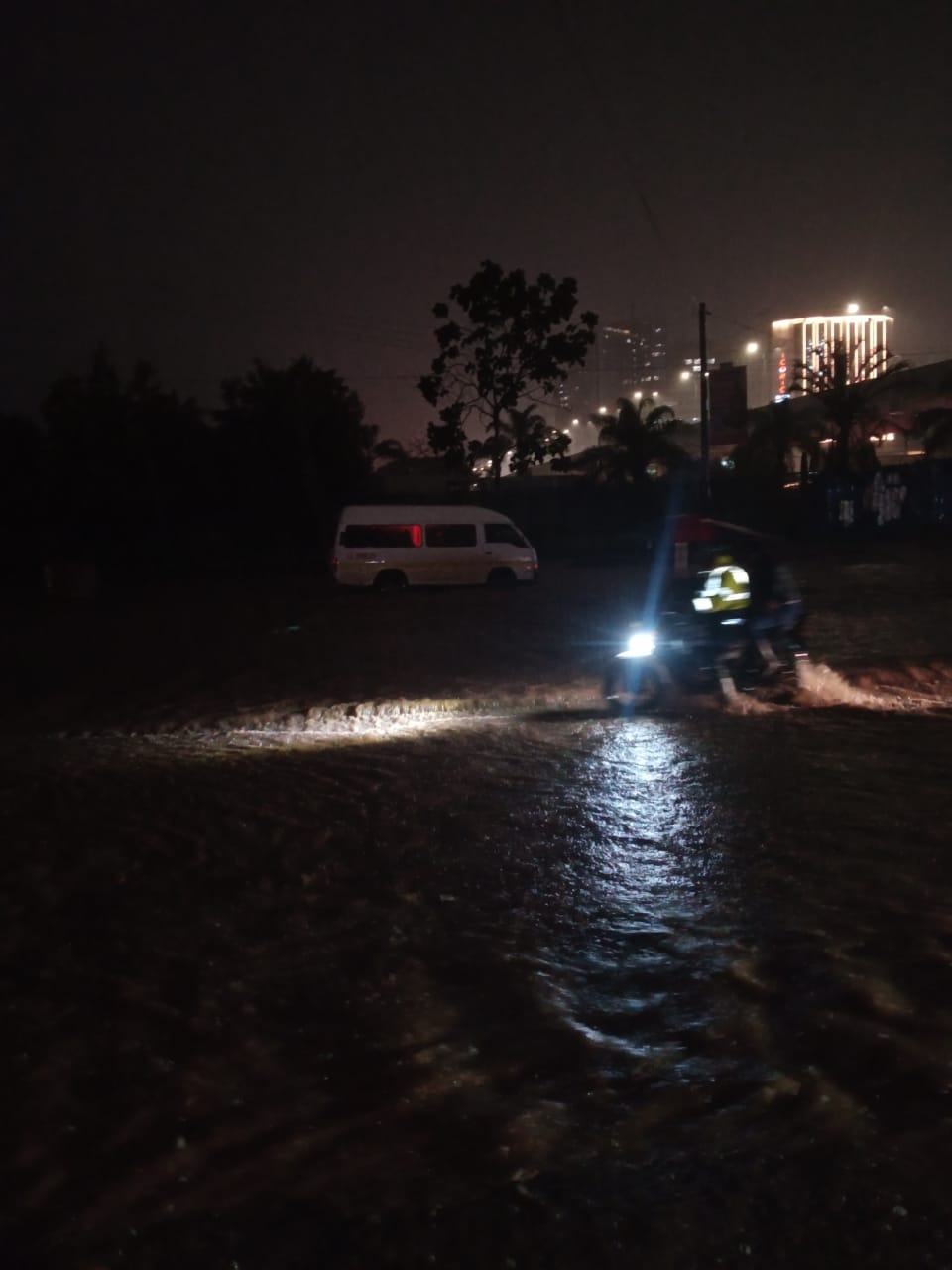
Nairobi has been hit by widespread flooding following continuous heavy rainfall, leaving commuters stranded and causing severe traffic congestion across key parts of the city.
Streets near Uhuru Park, along Mombasa Road, Parklands and Mbagathi Way were among the worst affected, with water levels rising rapidly and making movement difficult for both pedestrians and motorists.
In low-lying areas, residents waded through ankle-to-knee-deep water as they attempted to navigate flooded streets. At the Sunken Car Park along Aga Khan Walk in the CBD, floodwater rose halfway up several parked cars.
Several vehicles were forced to stop mid-journey, while public transport operators struggled to reach passengers.
Many commuters reported being stuck in traffic jams for hours as waterlogged roads and stalled vehicles brought movement to a near standstill.
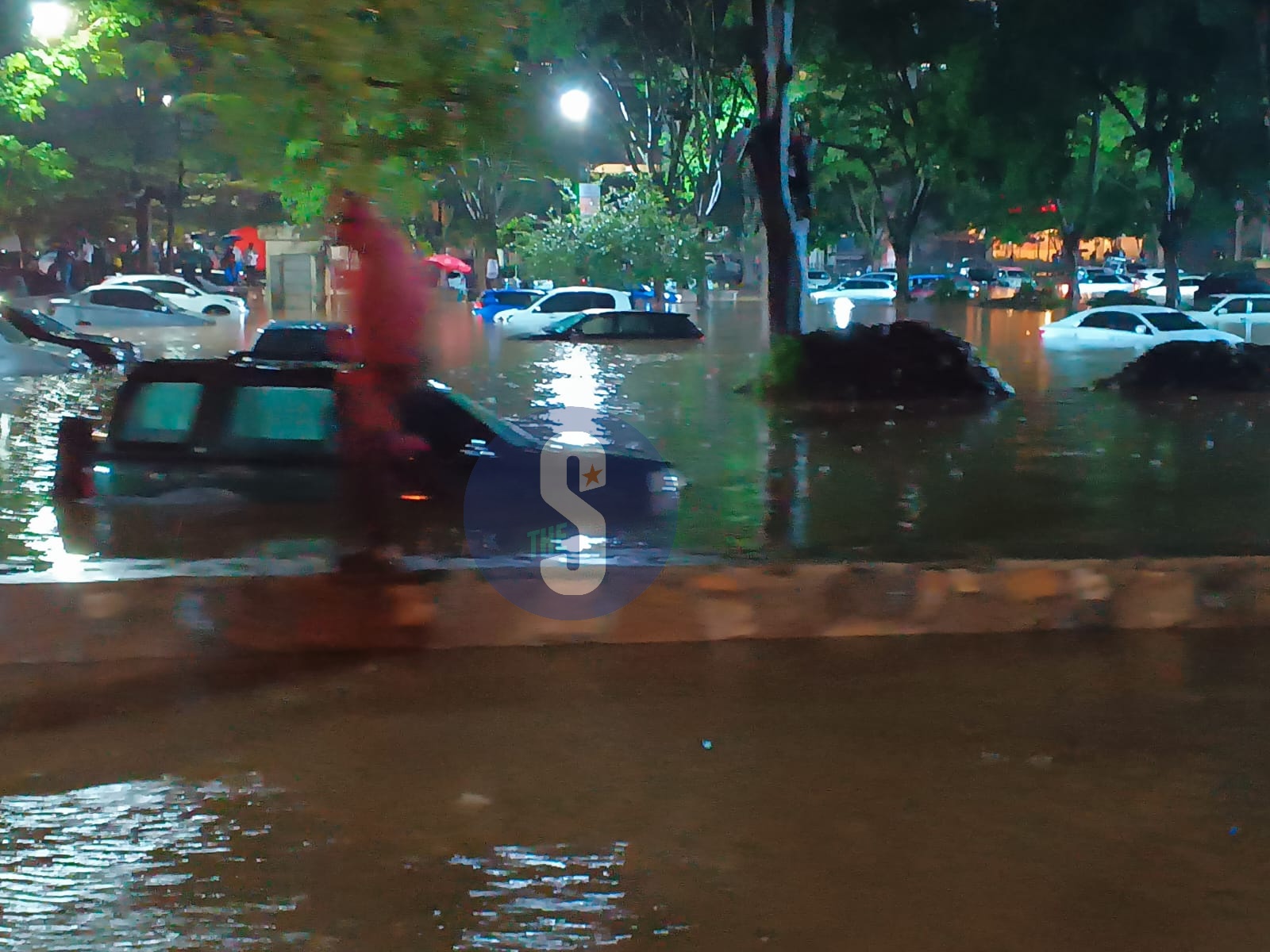 Sunken car park, Aga Khan Walk, CBD/EMMANUEL WANJALA
Parklands experienced similar challenges, with residents forced to find alternative routes to bypass flooded streets, while Mbagathi Way saw sporadic flash floods that stranded motorists and slowed emergency services.
The flooding comes as the Kenya Meteorological Department warned that heavy rainfall exceeding 20mm within 24 hours is expected to continue across several parts of the country from March 3–9, 2026.
Rainfall is forecast to intensify and peak between March 4–7 before reducing in most areas by March 8.
However, some regions — including the Lake Victoria Basin, Western Kenya, parts of the Central Highlands, the Southeastern lowlands and the Coastal region — are likely to continue experiencing heavy rainfall exceeding 20mm daily until March 9.
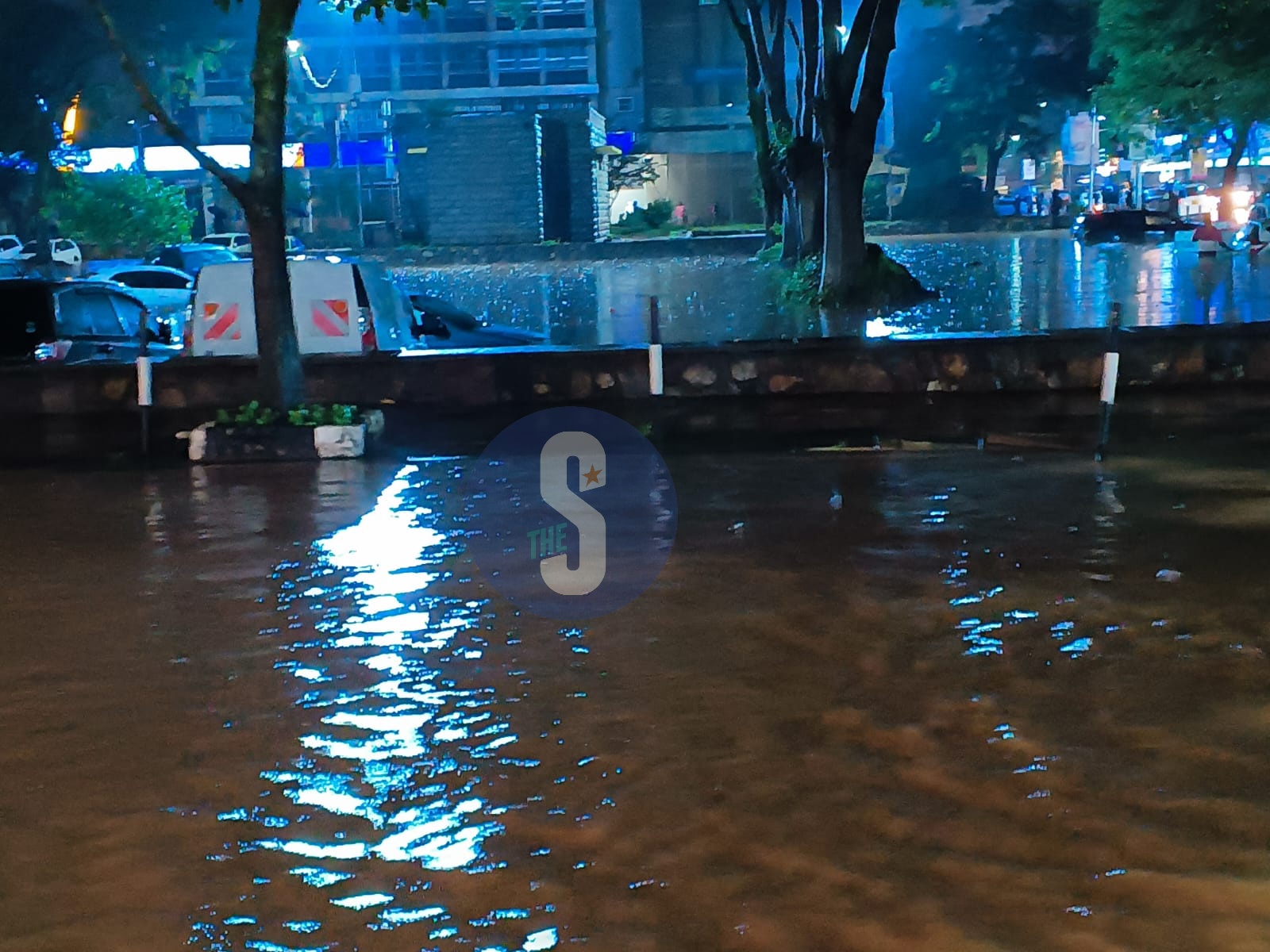 Sunken car park, Aga Khan Walk, CBD/EMMANUEL WANJALA
Residents in these areas have been advised to remain alert to possible floods, flash floods and poor visibility. Authorities have warned that floodwaters can occur even in areas that have not experienced heavy rainfall locally, particularly in downstream locations.
People are urged to avoid driving or walking through moving water or open fields, and to refrain from taking shelter under trees or near grilled windows to reduce the risk of lightning strikes.
Updates on road conditions and weather warnings are expected to be provided promptly as the situation develops.
Commuters and residents are encouraged to exercise caution and seek alternative safe routes while the city navigates the ongoing flood challenges.