More East African countries have said they will roll out
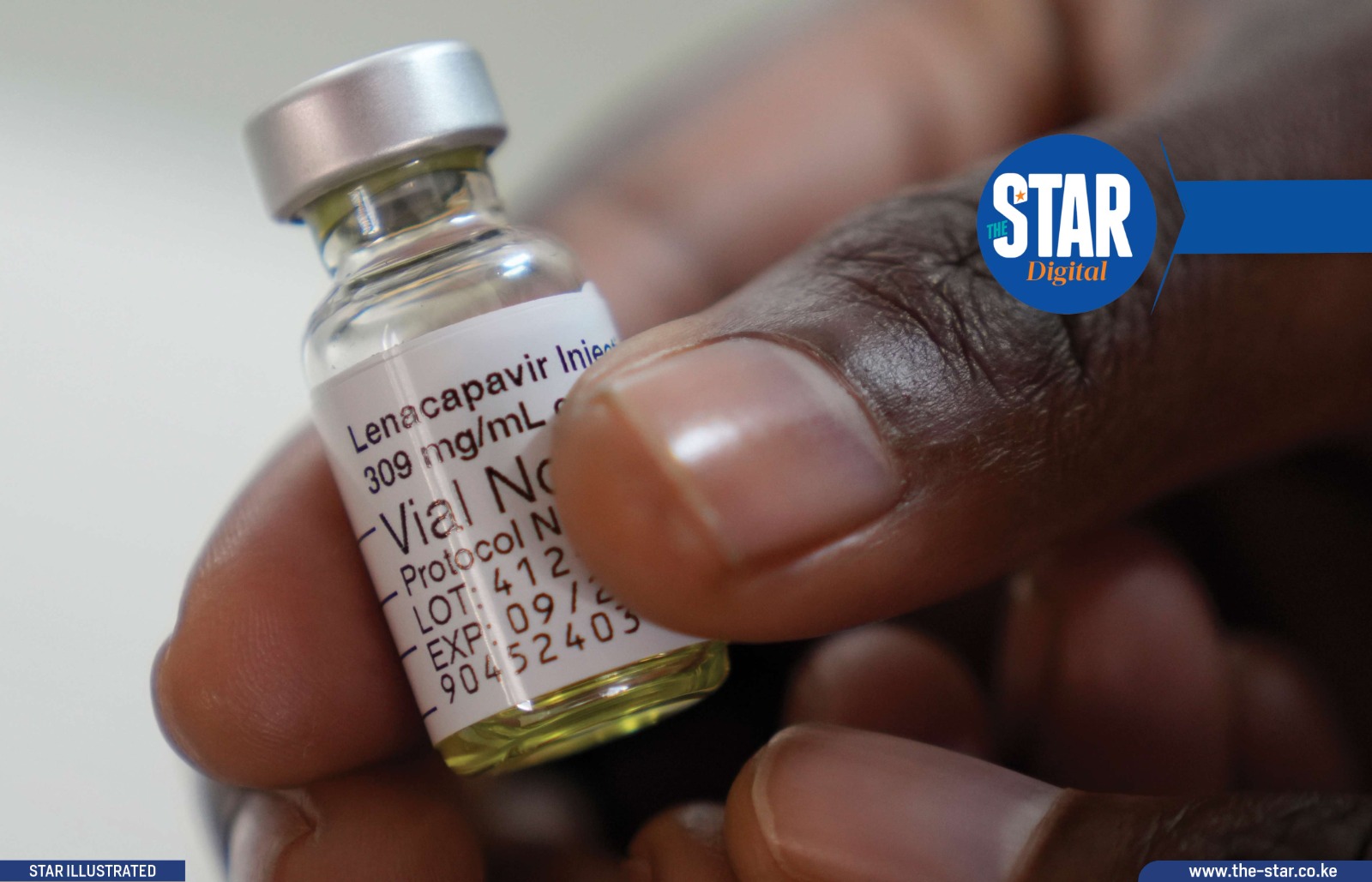
Lenacapavir, the twice-yearly injectable HIV prevention drug, days after Kenya
began offering the injection.
Kenya rolled out 21,000 doses of the drug at the Riruta
Health Centre on February 26, becoming the first country in East Africa to do
so.
Just days later, Uganda received its first consignment and
said it would begin offering the shots in early March.
Health officials said the 19,200 initial doses, donated by
the Global Fund, will be distributed first in high-burden districts once
on-the-ground preparations are complete.
The Tanzania Medicines and Medical Devices Authority approved late last year. Officials are finalising rollout plans, including
training health workers and ensuring supply chains are in place before public
distribution begins.
For health workers, the twice-yearly schedule addresses one
of the biggest practical barriers they see daily.
“Our patients were complaining about the pill burden. Being
HIV negative but still having to take a drug every single day was tiresome for
them,” said Carol Njomo, an HIV testing counsellor at Riruta Health Centre, who
sees around 70 patients a day and records approximately 20 new positive cases
every month.
“With this injection, we are so excited. It is only twice a
year, and it will reduce the workload in our facilities too. Right now, I
already have around 30 people waiting for the jab today.”
Further south, Lesotho has received its first shipment of
the drug, marking a historic milestone in the country’s long battle against
HIV/Aids.
Lesotho’s progress comes against a backdrop of one of the
world’s highest HIV burdens. The country has made impressive strides in
treatment coverage and viral suppression, but prevention gaps remain wide.
The country’s Deputy Prime Minister Nthomeng Majara
described the drug as a critical addition to the country’s prevention
strategies, especially given Lesotho’s adult HIV prevalence of 17.1 per cent.
“Lenacapavir is an important innovation that strengthens our
national response to HIV prevention and brings new hope to communities across
the country,” Majara said.
Kenya and Lesotho join a growing list of African nations
where Lenacapavir is not only approved but already being administered.
According to global health advocates, Eswatini and Zambia
began public rollouts in late 2025, making them among the earliest adopters on
the continent.
In Zimbabwe, the drug is also already in use as part of
national HIV prevention programmes, targeting populations at high risk of
infection with the twice-yearly injectable.
South Africa was among the first to register Lenacapavir
with its national regulator and is slated to launch the drug publicly in 2026,
having incorporated the intervention into its essential medicines framework.
Regulatory approvals, a key first step towards rollout, are
now in place in several other countries.
Botswana, Mozambique, Namibia, Rwanda, Malawi and others
have granted authorisation for Lenacapavir’s use in HIV prevention, clearing
the path for future distribution once supply and systems are ready, according
to the manufacturer Gilead.
Kenya’s launch last week saw Samson Mutua, a 27-year-old
resident of Kawangware, become the first Kenyan to receive Lenacapavir.
The drug protects against HIV for six months with just two
injections annually.
Mutua, who spent years on daily oral PrEP, described the
injectable as a “comfort” that will free him from the demands of daily pills.
“Two injections a year now give me that comfort. I feel
protected,” he said.
Health Cabinet Secretary Aden Duale lauded the rollout,
noting dramatic declines in new infections over the past decade, but stressing
that prevention remains critical with 1.4 million Kenyans still living with
HIV.
“This innovation gives us renewed strength in our national
fight against HIV,” he said.
Lenacapavir’s twice-yearly dosing addresses a major barrier
in HIV prevention: adherence. Daily oral PrEP, while effective, has faced
uptake challenges due to the rigours of consistent use.
The injectable’s schedule is expected to help reduce missed
doses, increase retention in prevention programmes and ease clinic workloads.
World Health Organization and Global Fund partners have
backed Kenya’s rollout with starter doses, technical guidance and safety
monitoring systems.
Similar partnerships are supporting Uganda and other countries in their preparations.