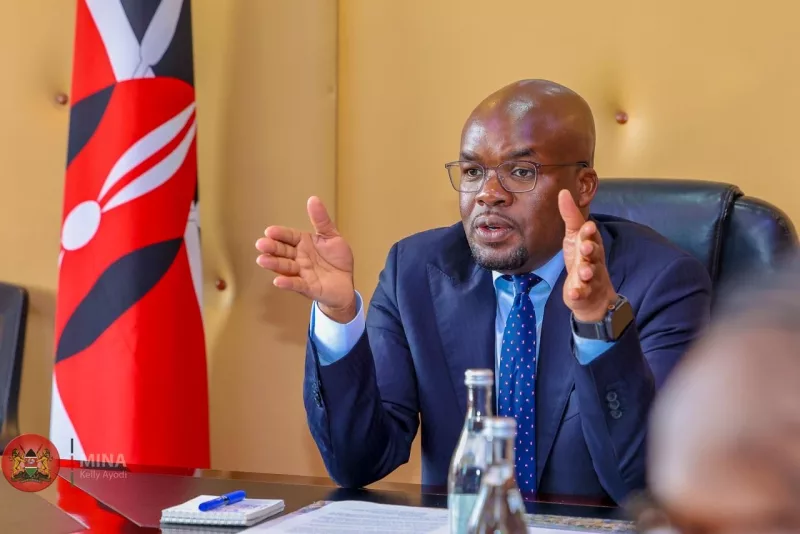
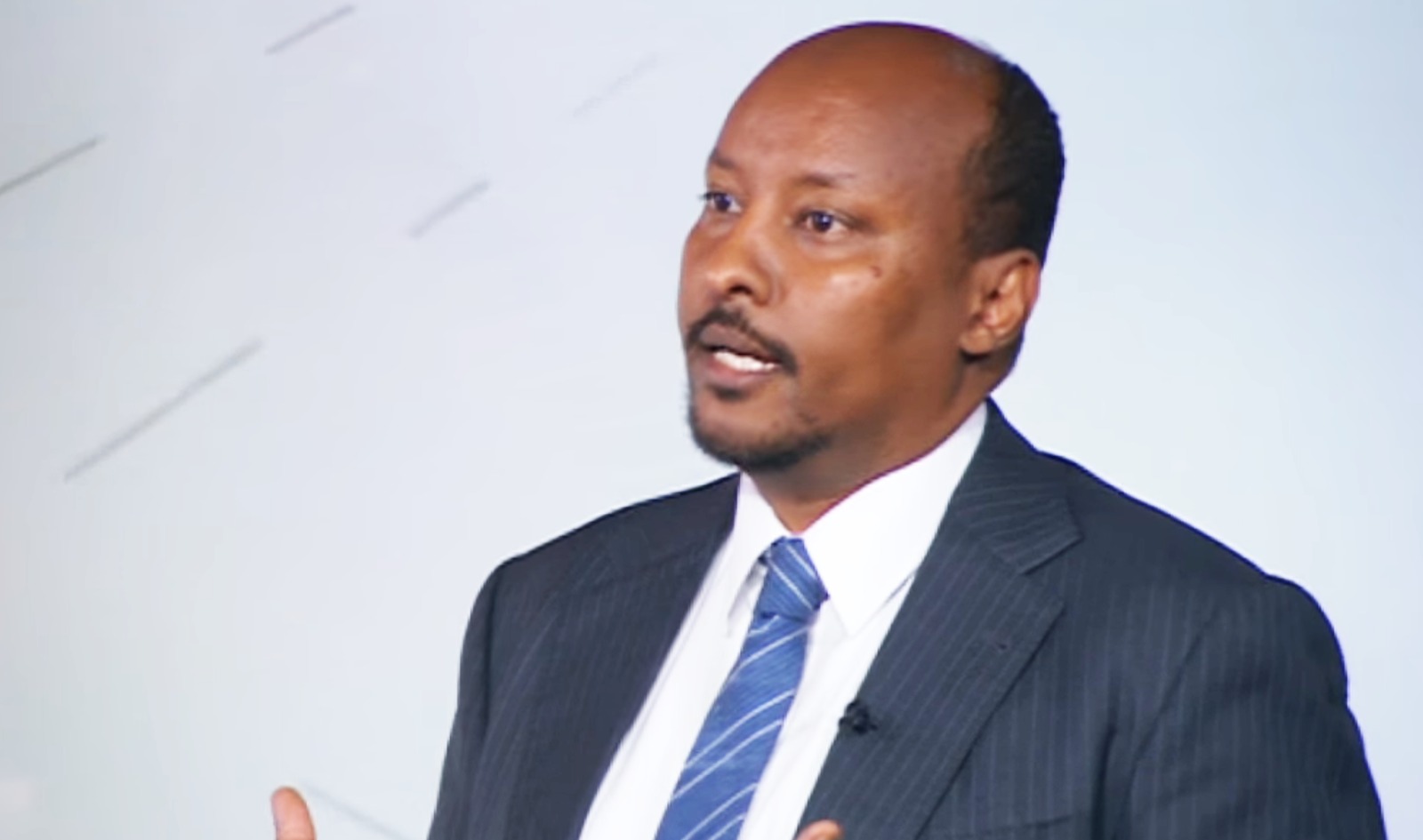
 Dahabshiil Group Chief Executive Officer Abdirashid Duale./COURTERSY
In many parts of the Horn of Africa, traditional banks haven’t always been reliable or widespread. Loans are hard to get, and not everyone has access to basic financial services. But money still flows – across countries, oceans, and even family generations.
The secret? migrants sending cash back home.
These remittances from the diaspora (people living abroad) have become one of Africa’s most dependable money streams. They often outpace foreign investments or aid, pumping tens of billions of dollars into sub-Saharan Africa every year. It’s like an invisible economic backbone keeping things running.
During the 2011 drought and famine, diaspora members, including those in the US, sent vital cash that helped families survive. Officially recorded remittances to developing countries reached an estimated $372 billion in 2011 alone.
Now, the big shift isn’t just that this money exists – it’s how it’s changing the whole finance game, and who’s leading the charge.
The visionary behind the change
Enter Abdirashid Duale, CEO of Dahabshiil Group. He grew up in the family business, started in 1970, which was built on trust and connections in tough markets.
Duale didn’t just keep it going; he turned it pro. He beefed up rules, security, and global partnerships, expanding to over 120 countries. His focus? Making it legit, tech-savvy, and unbreakable markets with big global finance hubs.
From family help to a full financial network
What started as simple money sent to loved ones has grown into powerful financial systems.
Dahabshiil shows this perfectly. It links diaspora folks in Europe, North America, the Middle East, and Africa to families and businesses in places like Kenya and Ethiopia and the expansive Horn of Africa.
They’ve built top-notch compliance, bank ties, and digital tools to meet world standards. In the Horn of Africa, they’re a lifeline: keeping homes afloat, powering trade, paying salaries, and boosting small businesses that create jobs.
Many receive remittances from relatives abroad – husbands, siblings, or children in Europe, North America, or the Middle East. These funds, sometimes irregular, help cover basics in a place where aid is limited and jobs are scarce. One estimate suggests that about 15% of refugees in Kenyan camps get regular remittances, dramatically improving their daily lives and local economies.
Critical support during droughts
Dahabshiil plays a crucial role when droughts hit the Horn of Africa, a region prone to severe dry spells that threaten lives and livelihoods. Beyond everyday remittances, the company steps up with direct aid, fundraising, and reliable transfer services during crises. The company has donated millions over the years for drought efforts, including water supplies and other relief.
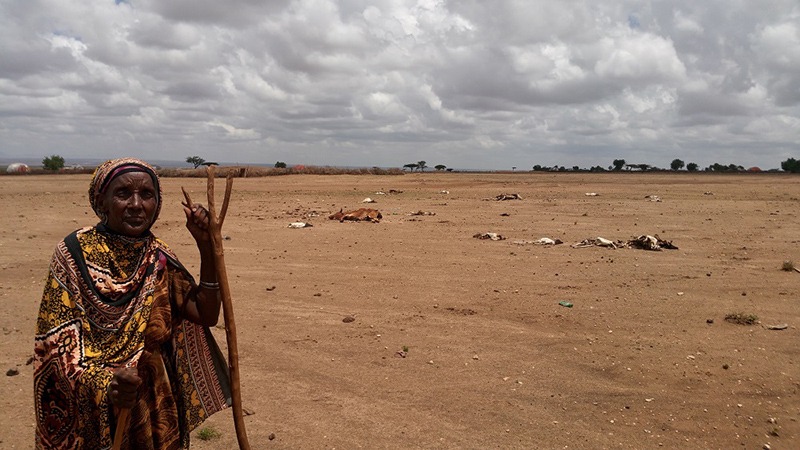 A lady looks hopelessly after losing her livestock in the drought-prone region in Ethiopia./HANDOUT
Currently, the drought that began in late 2025, with failed rainy seasons leading to emergency declarations primarily in Somalia, eastern and southeastern Ethiopia, and eastern Kenya, has worsened into 2026, displacing thousands and causing widespread food insecurity.
Duale has repeatedly appealed to the international community and donors to support starving populations, emphasising how remittances through Dahabshiil provide a fast, trusted way to deliver help. They’ve even organised events like football matches to raise funds for drought victims. In a region ravaged by climate change, Dahabshiil advocates for peace to better combat these disasters, while its networks ensure aid reaches remote areas quickly.
This crisis response turns diaspora money into a rapid-response tool, saving lives when traditional aid falls short.
Boosting trade: imports, exports, and more
These companies do way more than remittances – they’re trade superheroes.
In the Horn, cross-border business relies on fast, trustworthy payments. Importers need to pay for stuff like gadgets, machines, or farm supplies from abroad. Exporters – think livestock, crops, or goods – need to get paid securely.
Diaspora networks like Dahabshiil make it happen: quicker payments, less risk, and better cash flow. They handle different currencies, connect buyers and sellers worldwide, and link Kenya, Ethiopia, and their neighbours for smoother trade.
From salary wires to shop payments and big business deals, they tie separated communities together economically. For small exporters and importers, this is the key to survival and growth.
Going digital for everyone
Under Duale, Dahabshiil went high-tech.
Apps like eDahab and DahabPlus let millions send, receive, and save money on their phones. It’s a one-stop shop for remittances, wallets, and transfers – for locals and diaspora alike.
This powers shops, pays workers, and helps small businesses everywhere, from cities to remote villages. It’s turned old-school trust networks into modern, scalable digital worlds, bringing more people into finance.
Turning remittances into real investments
Diaspora cash isn’t just for daily needs anymore – it’s fueling growth.
Money flows into telecoms, green energy, shipping, and banking. Companies like Somtel show how remittance firms evolve into big players, driving development.
In Kenya and Ethiopia, this supports government plans, trade routes, and infrastructure. Across the region, it’s building stronger ties and unity.
The plan? Turn short-term sends into long-term engines for jobs, trade, and fair growth.
But remittances can also come with challenges. Consider stranded migrants. Many face debts – 55% of Ethiopians, 38% of Somalis, and 36% of Sudanese reported such burdens. Yet, returning often brings emotional relief: one returnee shared, “After suffering and starving, the best thing was to come home where we felt loved.” These stories highlight how remittances aren’t just financial – they’re lifelines of hope and connection.
Empowering businesses and self-sufficiency
Remittances through companies like Dahabshiil are key to sparking entrepreneurship and self-reliance in the Horn of Africa. These funds often go beyond survival, helping people start small businesses that create jobs and build local economies.
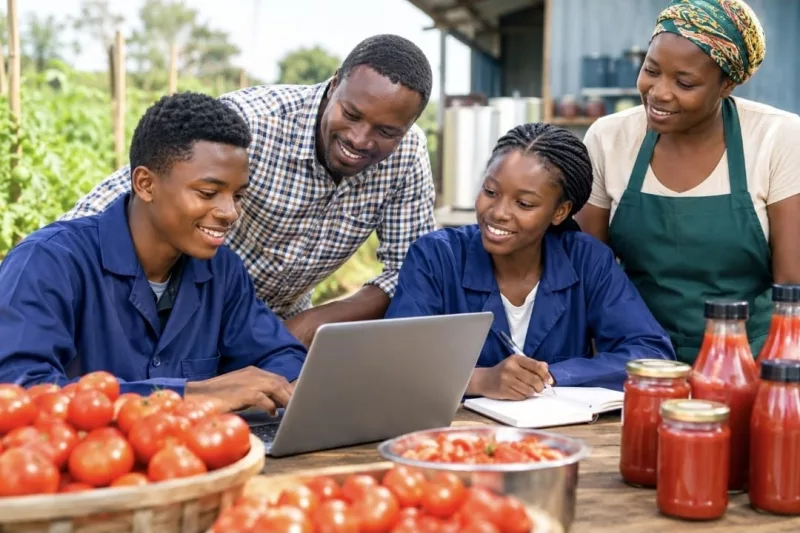
For example, diaspora money has funded startups like poultry farms, mobile repair shops, and other side hustles. This turns ideas into sustainable ventures, providing employment and boosting innovation in underserved areas.
Overall, remittances drive investments that promote self-sufficiency. They encourage labour market participation and help families invest in education and skills, leading to more job opportunities. Dahabshiil itself is a major employer and investor in the region, creating thousands of jobs and supporting community development. This not only reduces dependency on aid but also fosters resilient, independent communities ready for long-term growth.
A fresh map of African finance
Africa’s money world is now deeply linked to its people abroad. Diaspora investors bring global smarts, local know-how, and strong bonds. Their money is patient and connected, strengthening ties between continents.
Picture this: London and Dubai are hooked up digitally to Nairobi and Addis Ababa via smart networks.
Leaders like Duale are the spark, making borders less of a barrier and trade easier for everyone.
What’s next?
The future? Even tighter ties. As apps add loans, insurance, and savings, and systems sync with global markets, these diaspora groups could become the heart of fair finance and regional teamwork.
If this keeps up, diaspora money won’t just help African finance – it’ll totally reshape it.
What began as “money from home” is now a powerhouse: regional impact, worldwide reach, and key to Africa’s brighter economic tomorrow.
The writer is a human economist and has specialised in the human capital impact in the horn of Africa and the role of the diaspora community is aiding growth in the region.