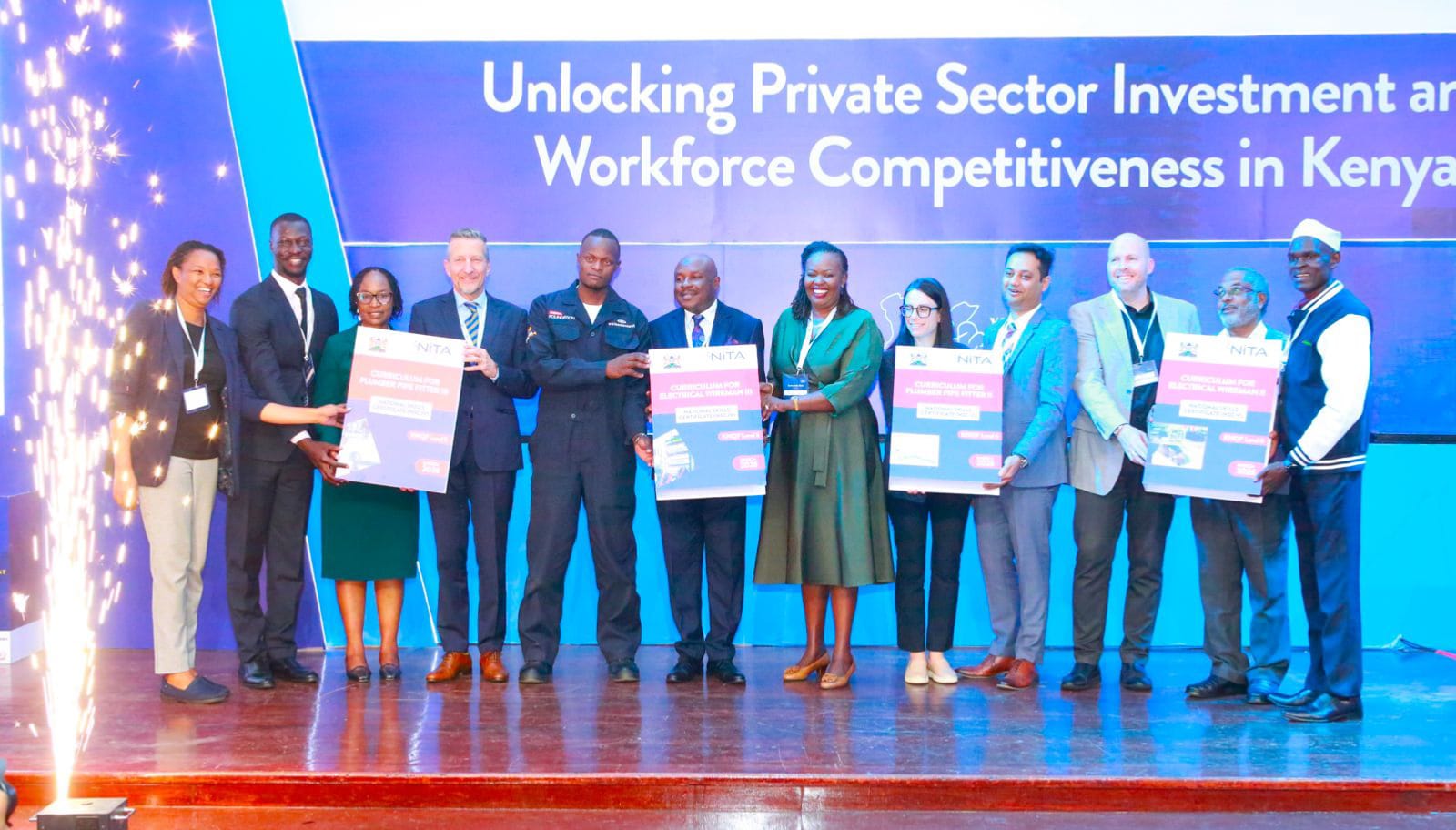
The curriculum, which adopts a 75 per cent workplace and 25 per cent classroom training model, was launched during the Inaugural Youth Skills Development Forum (YSDF) held on March 5 in Nairobi.
The initiative was officiated by Labour and Skills Development Principal Secretary Shadrack Mwadime and endorsed by Technical and Vocational Education and Training Principal Secretary Esther Muoria.
Officials said the new model represents a significant shift in how young people are prepared for the labour market by integrating employers directly into the training process.
Speaking at the forum, Mwadime said the curriculum would bridge the long-standing gap between training institutions and industry needs.
“For many years, we have trained young people who graduate with certificates but struggle to secure employment because they lack practical exposure,” said Mwadime.
He said the model ensures that the private sector is actively involved in training so that learners graduate with the skills and experience that employers actually require.
Kenya’s young population, nearly 75 per cent under 35, faces a dual challenge of high youth unemployment and a persistent skills mismatch between graduates and industry needs.
Many TVET graduates lack practical, job-ready skills, while employers struggle to find prepared talent.
To bridge this gap, Swisscontact, in partnership with Don Bosco Boys Town Technical Institute under NITA-accredited programmes, launched a dual training model combining 75% workplace training with 25% classroom learning, equipping youth with both theory and hands-on experience.
The curriculum was developed in collaboration with the National Industrial Training Authority (NITA) and is aligned with Kenya’s Competency-Based Education ( CBE) approach.
Under the programme, students enrolled in Technical and Vocational Education and Training institutions will spend most of their time learning directly in workplaces, gaining hands-on experience in real industry environments while complementing the training with classroom instruction.
Muoria described the initiative as a major milestone in efforts to make vocational training more responsive to labour market demands.
“This partnership with the private sector will ensure that TVET graduates are not just academically qualified but also job-ready,” she said.
She noted that their goal is to build a skilled workforce capable of supporting Kenya’s industrialisation and economic transformation.
The model draws inspiration from the Swiss dual vocational training system, widely regarded as one of the most successful workforce development models globally.
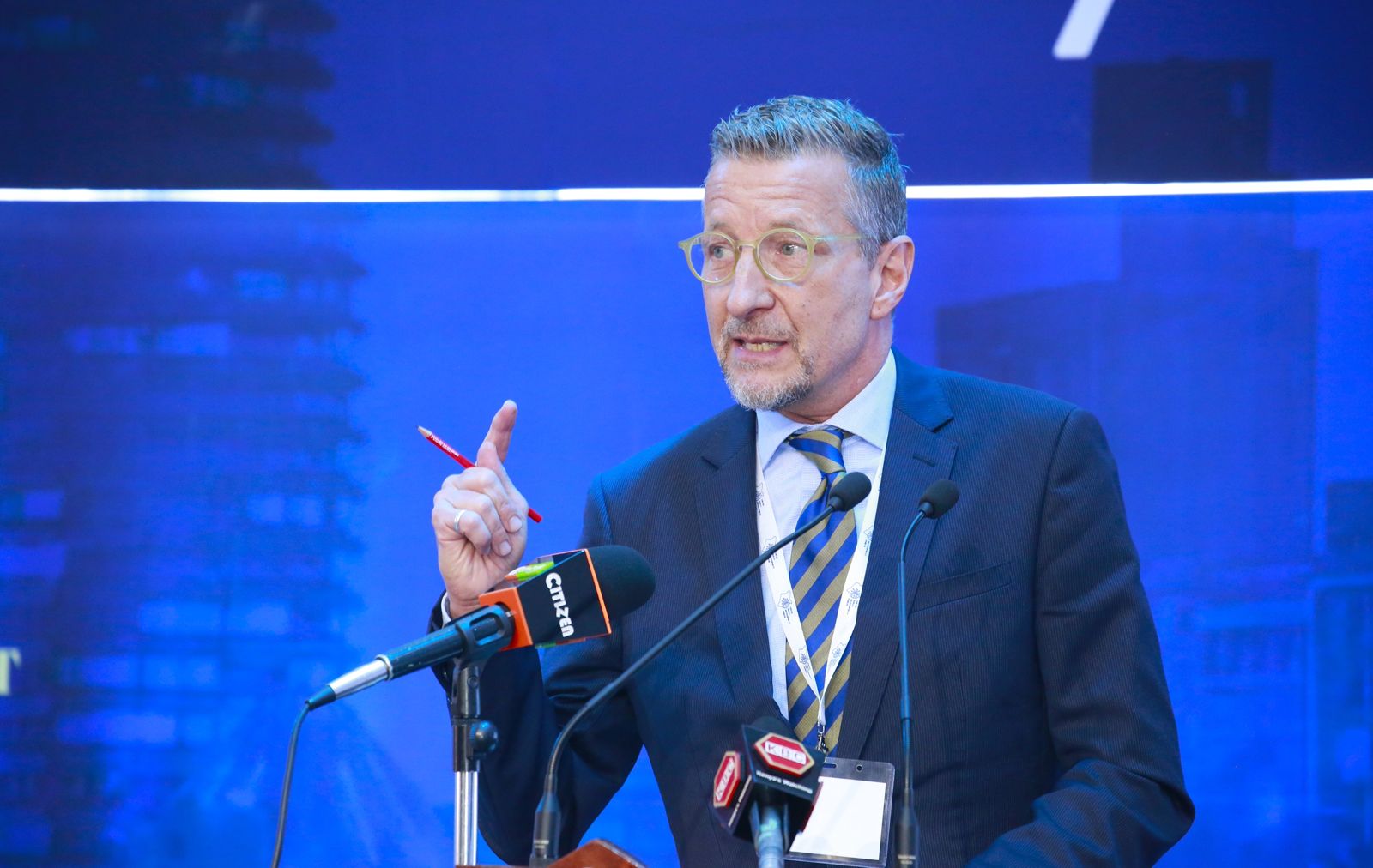
According to Swiss Ambassador to Kenya Mirko Giulietti, the approach places employers at the heart of training while ensuring that learners gain practical skills that match industry needs.
“The Swiss dual training system has proven that when businesses actively participate in training, young people transition more easily into employment,” said Giulietti.
"We are pleased to support Kenya in localising this model to strengthen skills development and economic growth.”
The programme is being implemented through PropelA, a youth skills development initiative run by Swisscontact in collaboration with industry partners, TVET institutions and the government.
PropelA was first piloted in 2022 at the Don Bosco Boys Town Technical Institute, where apprentices in fields such as electrical installation and plumbing combined classroom learning with workplace training and practical workshops.
Anirban Bhowmik, Regional Director, Swisscontact Central East and Southern Africa(CESAF) Region speaks during the event inAnirban Bhowmik, Regional Director, Swisscontact Central East and Southern Africa(CESAF) Region speaks during the event in Anirban Bhowmik, Regional Director, Swisscontact Central East and Southern Africa(CESAF) Region speaks during the event inAnirban Bhowmik, Regional Director, Swisscontact Central East and Southern Africa(CESAF) Region speaks during the event in Nairobi/COURTESY
Private companies participating in the programme also provide apprentices with workplace opportunities and stipends during their training placements.
Sharon Mosin, Swisscontact’s Country Director in Kenya, said lessons from the pilot project informed the design of the new national curriculum.
“PropelA is about propelling young people into dignified and sustainable employment while ensuring businesses play a leading role in developing the workforce they need,” she said
“By scaling up this model, we are helping training institutions deliver programmes that are directly aligned with market demand.”
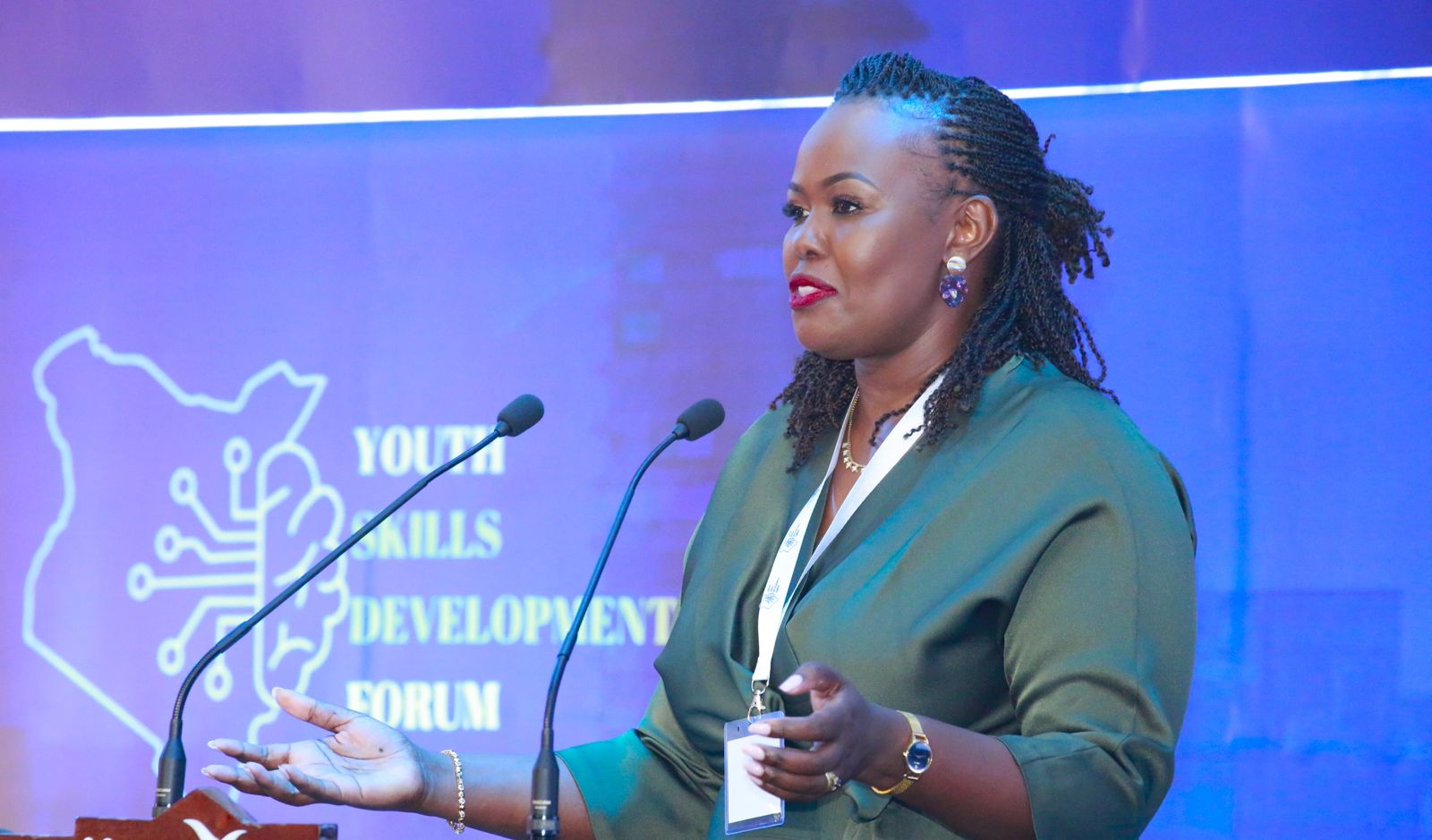
The inaugural youth skills development forum brought together government officials, industry leaders, development partners, youth representatives and training institutions to discuss ways of accelerating private sector investment in workforce development.
Participants emphasised that closer collaboration between government, training institutions and industry is essential in addressing youth unemployment, which remains one of Kenya’s biggest socio-economic challenges.