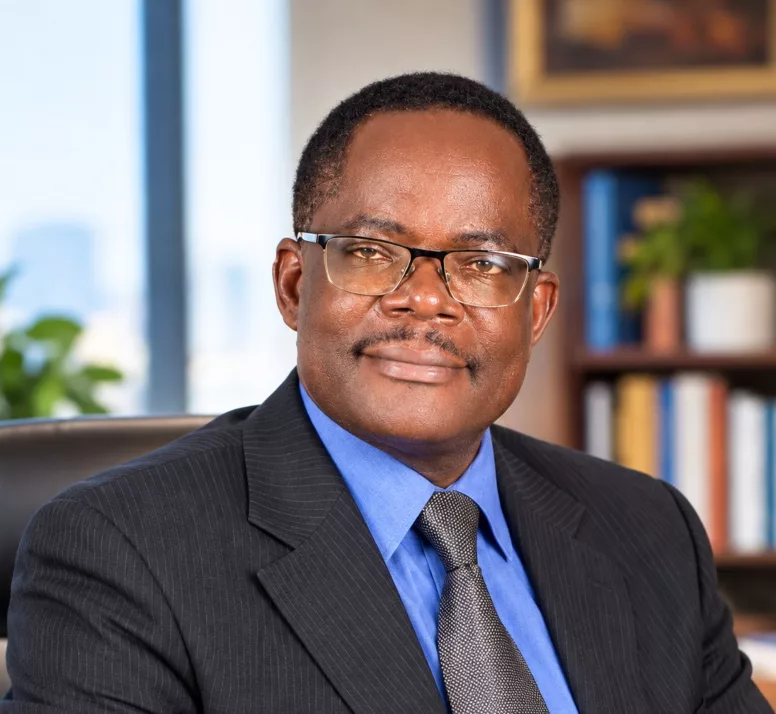
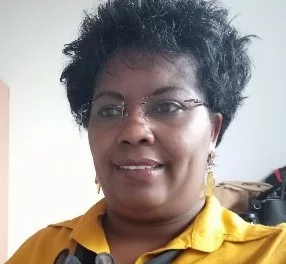
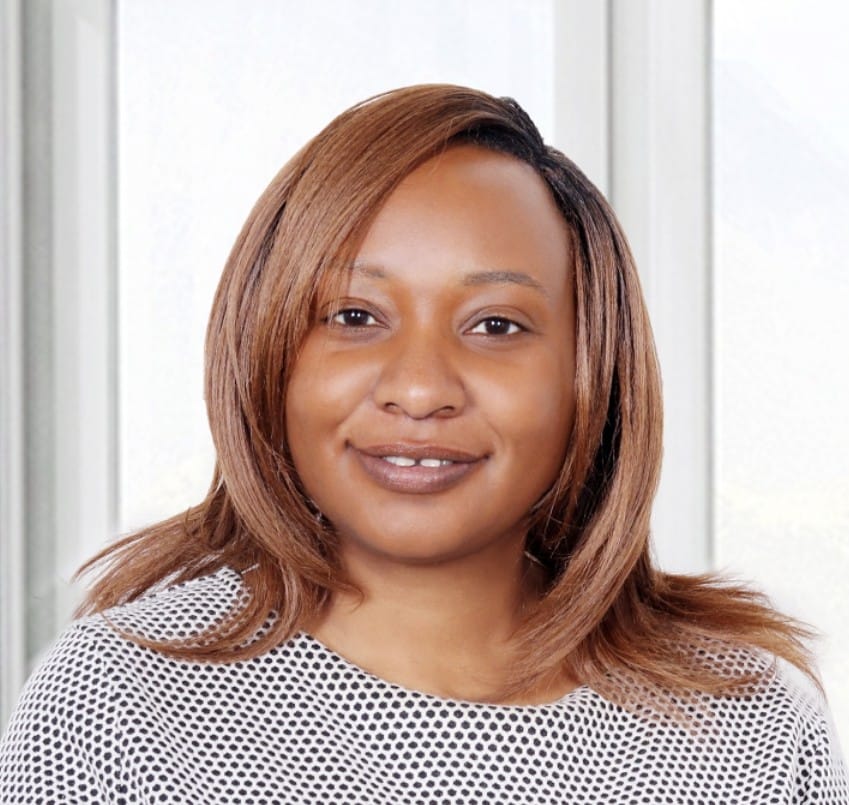
 Dr Nelly Kamwale, a wellness doctor passionate about social change, gender, and mental health advocacy/HANDOUT
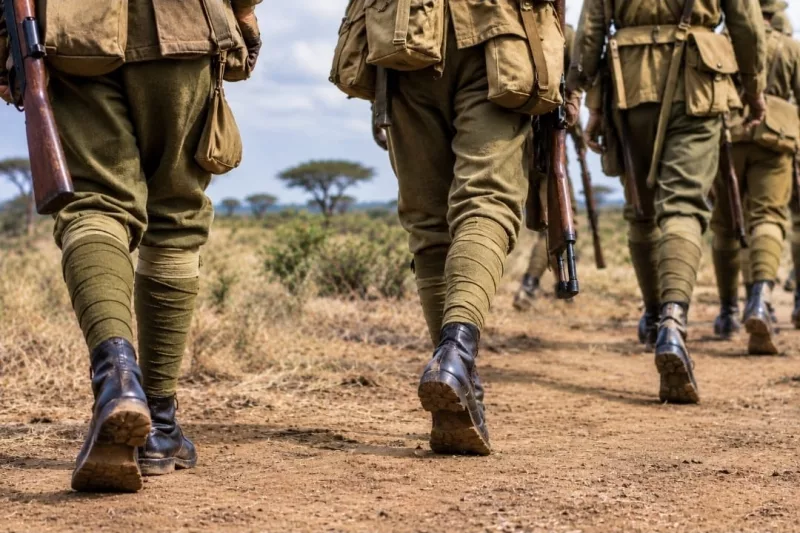
Uncertainty in a world at war is a widespread and harmful force that can deeply affect people and societies. Conflict is unpredictable. Fear of the unknown is constant.
Loss of control over daily life can combine into a powerful mix of anxiety, tension, and trauma. The recent rise in tensions between Iran and the US, and the risk of disrupting global oil supplies or expanding into a broader conflict, highlights this ongoing uncertainty.
When people face uncertainty, the brain works overtime to explain what is unclear. This often leads to worst-case thinking, repeated worrying, and a lasting feeling of unease.
In conflict areas, uncertainty can feel unbearable. People must move through unsafe and changing situations, never sure what will happen next. This loss of control can trigger feelings of helplessness, hopelessness, and emotional distress.
Uncertainty can have serious effects on mental health. Ongoing stress and anxiety may cause constant alertness, avoidance of reminders, unwanted thoughts, and emotional shutdown. Such reactions are commonly linked to post-traumatic stress disorder (PTSD), a condition that can affect mental health and daily functioning over a long period.
The 24-hour news cycle and social media can worsen uncertainty and anxiety. Disturbing images and videos can be distressing. Continuous updates make it hard to mentally disconnect. Social media may also circulate unverified information and speculation, which can increase fear and confusion.
How can people cope with uncertainty in a world at war? It helps to stay informed while setting limits on news intake. Focus on what you can control. Seek support from others.
Simple mindfulness practices may also reduce stress. Governments, media, and individuals all have a role. Sharing accurate information, supporting mental health, and strengthening community ties are essential.
By recognising how uncertainty affects people and by acting together, it is possible to reduce anxiety, tension, and the risk of PTSD. Uncertainty is an unseen but powerful threat. Addressing it directly is a necessary step toward protecting mental well-being.
Dr Nelly Kamwale is a wellness doctor passionate about social change, gender and mental health advocacy.