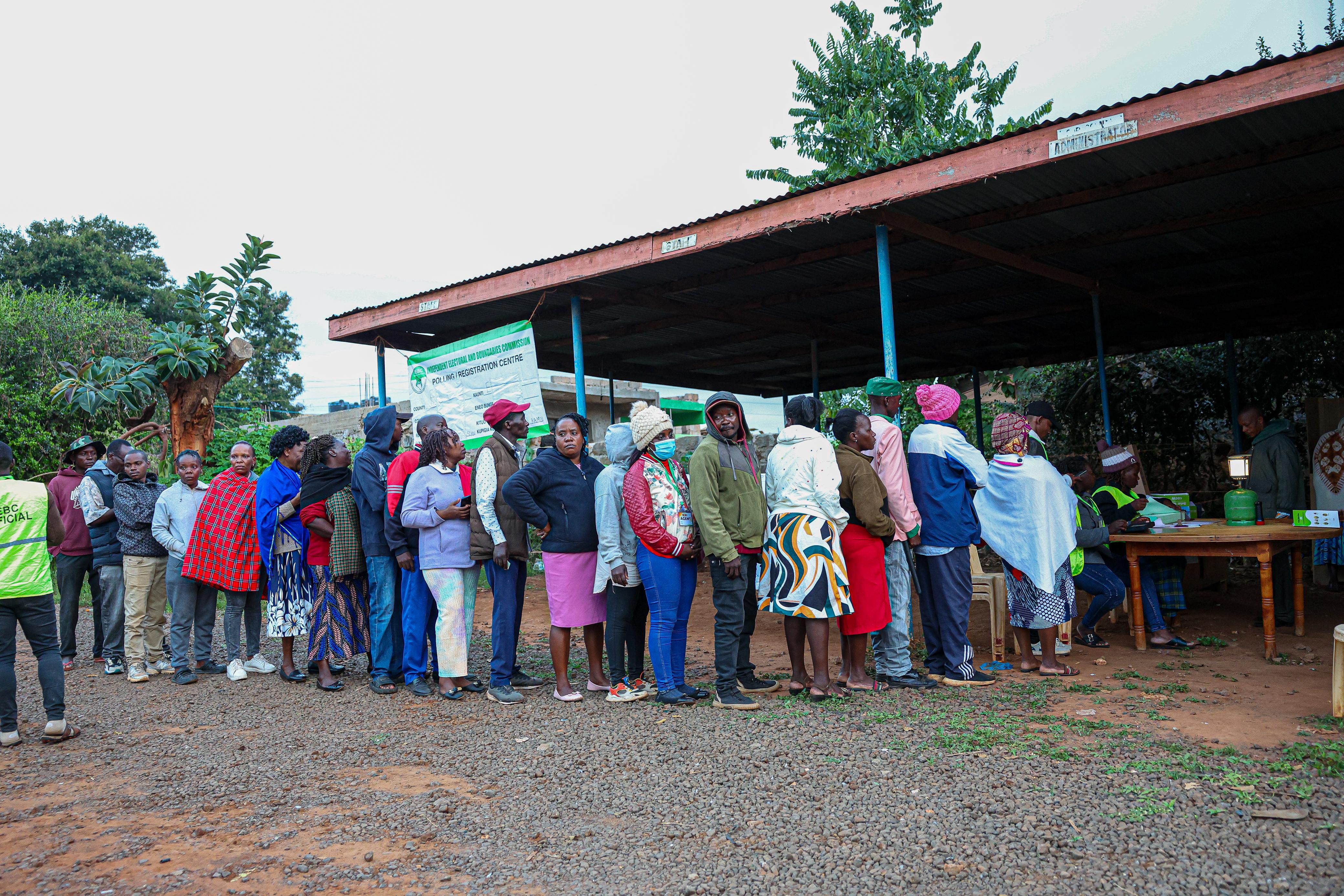
There is a strange electricity in the Kenyan air.
Switch on the television. Scroll through X or TikTok. Sit quietly in a matatu and listen to the conversations floating between strangers. One could easily conclude that a general election is around the corner. The rhetoric is charged. The language is urgent. The political class appears restless.
Many pundits dismiss it as the familiar theatre of Kenyan politics - empty noise, recycled slogans, rehearsed outrage. They call it “politics as usual”. I beg to differ.
If one looks closely - not with partisan eyes, but with discerning lenses - something more profound is stirring. The keynote speaker is no longer the politician. It is the people. Consider the rallying call, ‘Sisi ni Sifuna.’ Whatever one thinks about the individual at its centre, the phrase did not originate from a carefully crafted political communications strategy. It was not unveiled in a glossy manifesto launch. It was not engineered in a boardroom. It was coined by the people. And that matters.
When slogans move from political headquarters to the mouths of citizens, something shifts. It signals a reclamation of agency. It suggests that Kenyans are no longer content to be spectators in their own democracy. This moment is not merely about personalities. It is about ownership. It is about a citizenry slowly realising that sovereignty does not reside in State House, Parliament, or political party offices. It resides in them.
Article 1 of the Constitution of Kenya is unequivocal: “All sovereign power belongs to the people of Kenya.” For years, that clause has often read like poetic ambition rather than lived reality. But today, there are glimpses - imperfect, fragile, yet unmistakable - that the people are beginning to internalise it. This is politics redefined.
We must dare to dream of a Kenya where the rule of law is not negotiable. A Kenya where court orders are obeyed not because of public pressure, but because constitutionalism is ingrained in our political culture. Where institutions are stronger than individuals. Where the police protect rather than prey. Where justice is not for sale to the highest bidder. In such a Kenya, no citizen would feel invisible.
We must dare to dream of a Kenya of social justice. A nation where your
surname does not determine your destiny. Where your geography of birth does not
dictate your life chances. Where informal settlements are not tolerated as
permanent monuments to inequality. Where public resources are allocated not as
political favours but as instruments of equal dignity. Social justice is not a
slogan for activist circles. It is the moral architecture of a stable nation.
We must dare to dream of a Kenya where every child goes to school. Not just enrolled, but learning. Not merely attending, but thriving. A Kenya where classrooms are equipped, teachers are motivatedand curricula prepare children not only for examinations, but also for life. Where the child in Turkana, Kilifi, Kibra and Mumias has equal access to quality education.
We must dare to dream of a Kenya where every youth is gainfully engaged. Our youth are not a demographic time bomb. They are a demographic dividend waiting to be unlocked. But this requires more than rhetoric. It requires structural transformation - value addition, industrialisation, innovation ecosystems, a digital economy that includes rather than excludes. It requires an education-to-employment pipeline that functions.
Above all, we must dare to dream of a Kenya where the people are truly
supreme. Where public participation is meaningful, not ritualistic. Where
county budgets reflect community priorities.
Where MPs fear disappointing their constituents more than
angering party bosses. Where social media activism translates into civic
organisation and constructive engagement.
The energy we sense today must therefore not dissolve into mere slogans. It must mature into civic vigilance. Into issue-based politics. Into cross-ethnic solidarity. Into the refusal to normalise impunity, no matter who benefits. If indeed the people have arrived, as the signs suggest, then this moment is historic.
History will ask: Did Kenyans seize it?
Did they convert rhetorical heat into institutional reform? Did they transform public outrage into policy transformation? Did they insist that leadership is service, not entitlement? The Kenya we want will not emerge overnight. But every generation has its inflection point - a moment when the script can change. Perhaps this is ours.
Perhaps the real shift is not in the speeches of politicians, but in the consciousness of citizens. And if the keynote speaker is now the people, then let the speech be bold. Let it declare freedom. Let it demand justice. Let it insist on equity. Let it protect the rule of law. Let it feed the hungry, educate the child and employ the youth. Let it proclaim, without apology, that in Kenya, sovereignty does not hold forth from above - it rises from below.
That is the Kenya we want.
And if we dare to dream it clearly enough ¾ and work for it courageously enough - it may yet become the Kenya we build.