In recent times, the once political behemoth of ODM has been seesawing to vested political interests to the dismay of its membership and followers.
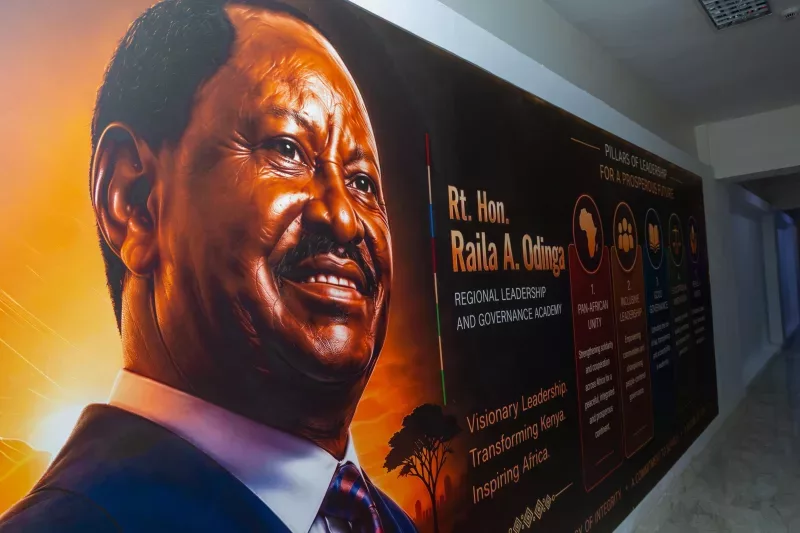
DuringRaila Odinga’s helm at the leadership, the party enjoyed unparalleled clarity in vision and strategic decisions. The party had well-grounded policy positions on national and social issues.
These ideological standings informed key resolutions on its electoral direction. It was, therefore, easy for the public to predict the next course of action by the party based on its long-standing history of social justice, national unity and people’s development.
While the party never formed the government in the successive general elections since its inception in 2007, it remained a dominant player in Kenya’s national and the region’s political fabric.
It consistently cried foul and cited electoral injustices for its inability to form and lead the government. However, while outside mainstream government, the party has been capable of exerting immense pressure and influence over national governance.
Through the charisma of its founding leader, Raila, it has been responsible for the milestone transformation of the country through legal and administrative overhaul of the country’s governance structure. The party has become synonymous with the citizens’ aspirations for a modern Kenya where citizens live with dignity in harmony.
The 2010 Constitution is attributed to its gallant struggles against impunity and gross violation of human rights. And so is the steady resistance to official graft and bad governance. In its parliamentary leadership and through popular civic activism, it has consistently held the government to account for its misadventures.
The Grand Coalition government between the party andthenPresident Mwai Kibaki’s PNU is still hailed as the best-balanced, people-centred, development-oriented and transformational national leadership of all time.
In a nation highly polarised due to ethnicity, the party has been the vanguard of stability since it is broad-based with grassroots networks across the entire country.
In times of great political crisis and tension leading to violent protests and civil strife, the party and its enigmatic leader Raila, have always stood for national interest above self and narrow parochial pursuits.
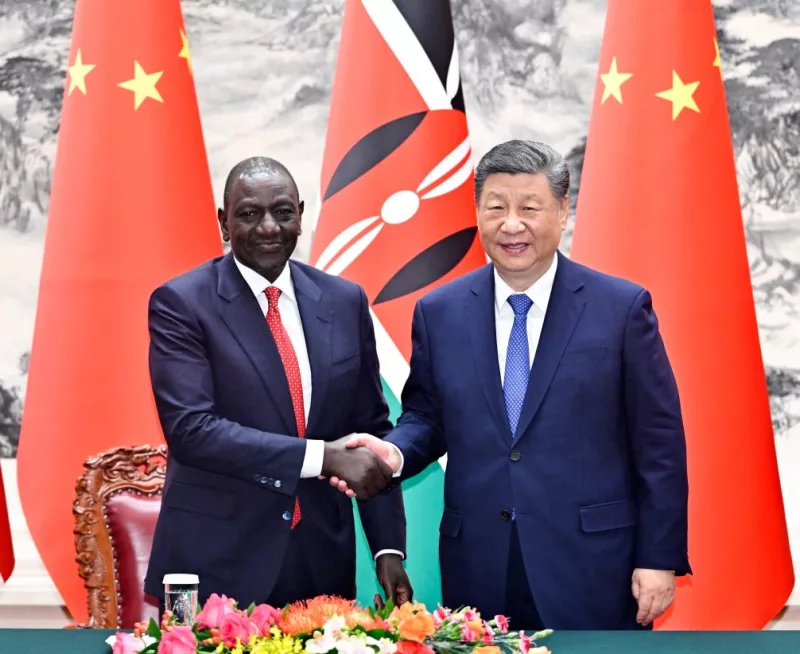
It is this light that the party’s truce with PNU under Kibaki, Jubilee under Uhuru Kenyatta and now President William Ruto’s UDA should be understood. In spite of disputing the presidential election results, the party has ceded ground on several ties for the sake of national unity and political stability.
In ordinary circumstances, these acts should have eroded its credibility. Instead, the party’s standing among the citizens has been regularly celebrated as the safe hands that have steadied the ship and saved the country from sinking into the abyss and its imminent collapse several times.
The party has initiated pragmatic programmes and contributed immensely to the social transformation of the country since the Orange movement of the 2005 constitutional referendum. Raila understood much better the role of political parties in the governance of nations.
Political parties serve as indispensable, evolving pillars of democratic governance, functioning as the primary link between citizens and the state.
Their roles have transitioned from elite, ideological factions in the 18th and 19th centuries to complex, mass-based "catch-all" organisations that often prioritise broad appeal, media presence and pragmatism over strict ideology.
Historically, political parties emerged as elite cliques or ideological groups seeking to challenge, control, or influence the government apparatus. Parties in this era were deeply rooted in specific ideologies such as liberal, socialist and conservative and represented clear, often class-based, interests of their members.
They also served to select candidates from the educated or landed elite to represent the electorate, especially as voting rights expanded. Parties functioned as incubators for specific, coherent policy platforms based on their ideologies, aiming to implement these ideas if they seized power.
Additionally, they established the framework for parliamentary opposition, providing alternatives to the ruling elite rather than just seeking power for its own sake. Modern parties have adapted to mass electorates and increased polarisation, with a focus on "catch-all" strategies, where parties attempt to appeal to a broader spectrum of voters.
Instead of promoting a single ideological vision, modern parties often aggregate diverse societal interests into a broad platform to win elections, focusing on issues such as health, education and infrastructure.In parliamentary systems, parties or coalitions of parties with shared policy platforms are crucial for forming the executive branch.
They ensure governance by organising parliamentary agendas and maintaining the stability needed for long-term policy implementation. They as well connect citizens to the political system by fostering engagement through campaigns, debates, and local activities, thus increasing political knowledge. This is political socialisation.
Modern parties, especially in rapidly changing technological and social environments, adapt policies to address new challenges such as climate change, digital transformation and economic shifts. Opposition parties provide oversight and accountability. They function as watchdogs investigating the ruling party's conduct, scrutinising policies and proposing alternatives.
The parties invest heavily in data-driven campaigning and largely rely on technology and social media for voter outreach. They use data analytics to tailor messages, which has shifted focus toward winning electoral support through targeted communication rather than just grassroots mobilisation.
Since the demise of Raila last October, the party has pandered to the whims of entrenched internal cleavages as well as external interests. Instead of providing vital foresight, the party leadership has created confusion amongst the members at a critical moment when the general elections are just over one year ahead.
The former Prime Minister had established clear structures of decision-making for the party. Soon after the disputed 2022 presidential election, he developed a carefully crafted roadmap to guide the party’s operations. The frameworks for engagement with other political parties and social movements were openly canvassed and laid out to the public for validation.
Raila carried along the party’s support base and the general population as he navigated the turbulent political environment that ensued soon after the installation of the Kenya Kwanza administration.
This led to the establishment of the bipartisan National Dialogue Committee process, whose report is being implemented by the various government agencies and national institutions of governance. The Nadco report recommended inclusivity in governance and resulted in the formation of a broad-based government that included ODM members.
It appears that some leaders of the party did not fully understand the policy decisions that were made under the leadership of Raila. In the alternative, they might not have believed in them but chose to move with the current to avoid any public backlash because of Raila’s charisma.
Further, these leaders might have also chosen to pursue strategies that would support their personal leadership survival. The intense leadership wrangles within the top echelons are a result of these developments.
However, what cannot be wished away is that the party as an institution under the leadership of Raila made some strategic decisions for its own sake. It made a resolution to enter into a post-election coalition agreement with the UDA under the 10-point agenda.
This was duly executed and publicly endorsed across the country. As an institution in perpetuity, the party is a legal person. The current leadership must accept that they succeeded Raila in the party with its assets and liabilities.
The commitments made under the former premier must be discharged as envisaged and detailed in print. For avoidance of doubt and for all practical purposes, ODM is in and part of the government. Until the next elections, the party is joined at the hip with UDA.
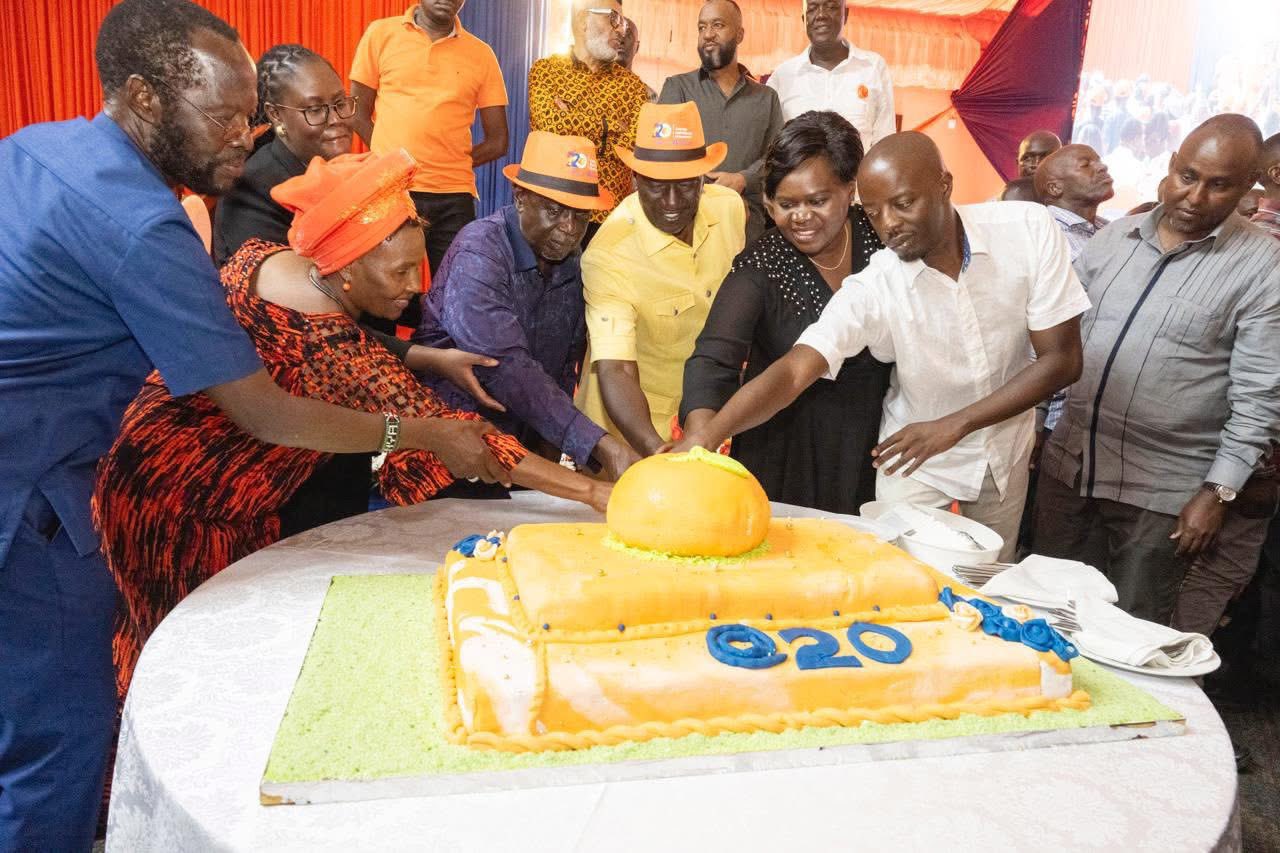
There should be no pretence that part of its leadership is in the opposition. That would amount to political deceit and bad manners. The party cannot have its cake and eat it.
Kanyadudi is a political and policy analyst