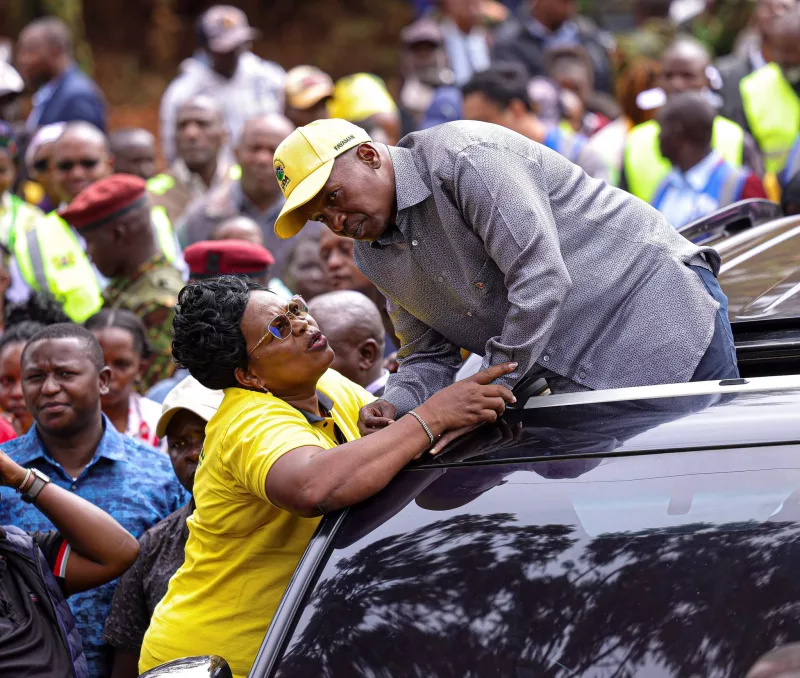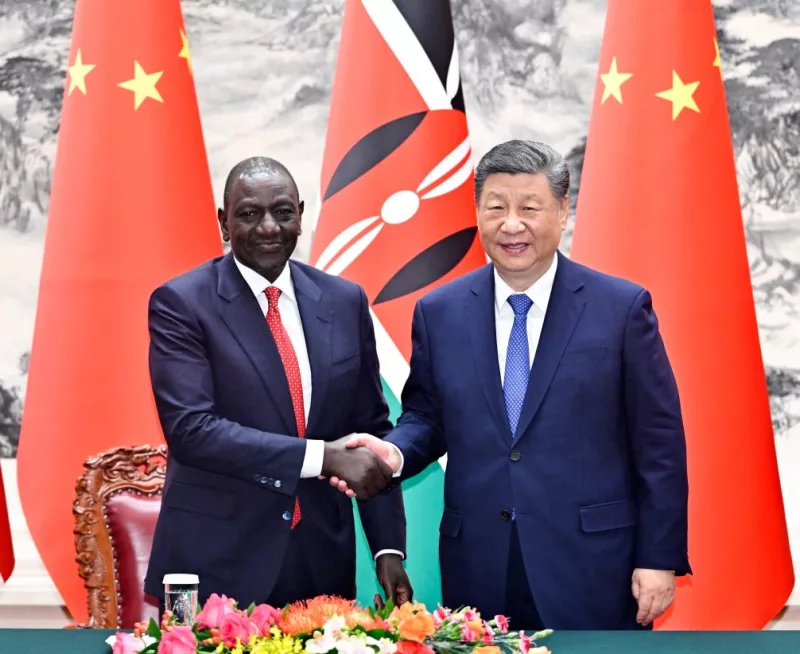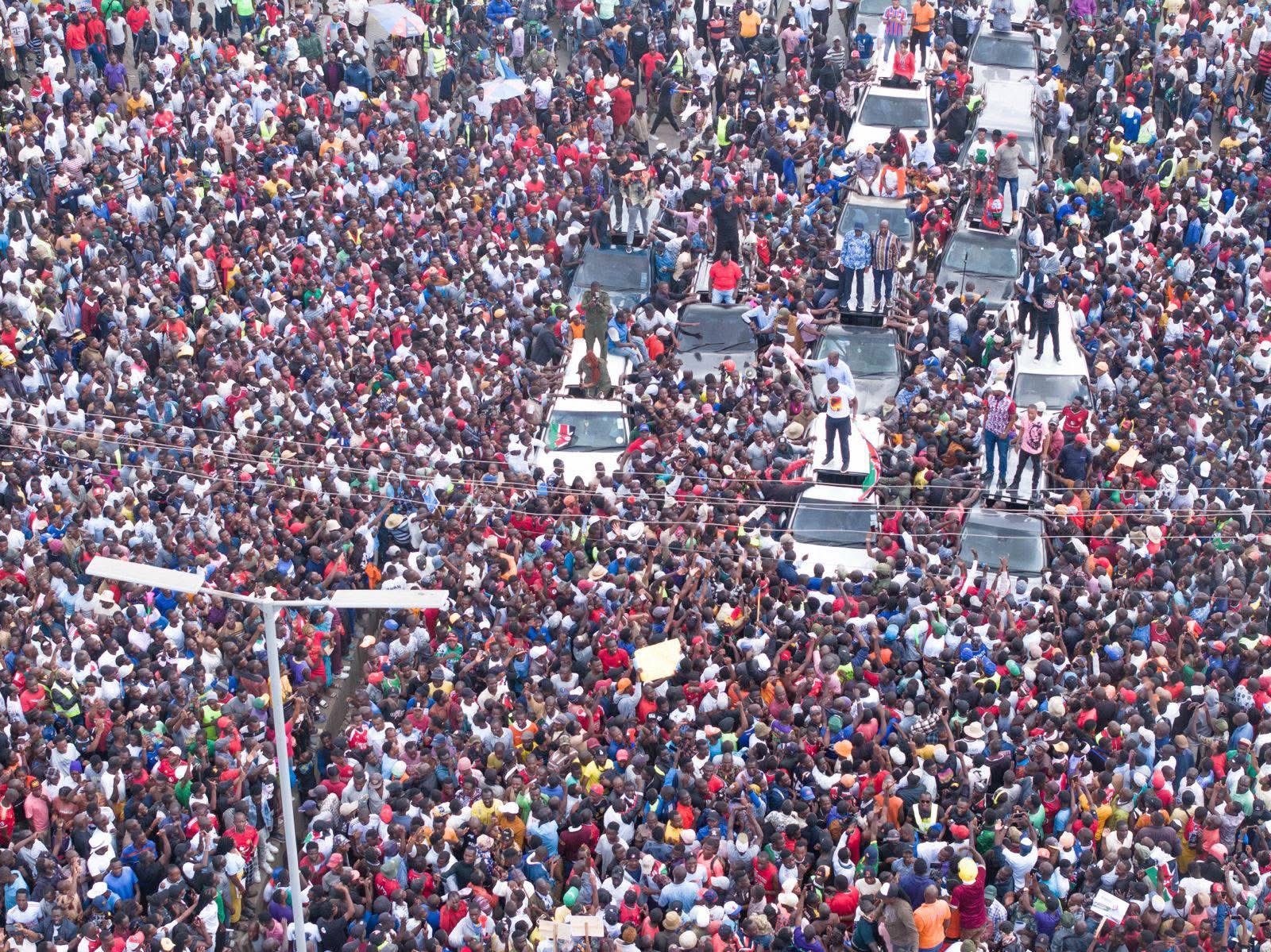
A deeply unsettling pattern has emerged where the prestige of a presidential visit or a high-profile political rally no longer signals a tightening of security.
For the average Nairobi resident, the sight of a motorcade is increasingly becoming a forerunner of a mandatory mugging, as the thin line between political supporters and urban gangs continues to dissolve.
As one netizen aptly put it, “Welcome to 'Singapora'”.
The irony of the 'Singapora' moniker lies in its bitter sarcasm. While the administration paints a vision of a disciplined, high-tech hub mirroring the Asian Tiger, the reality on the tarmac suggests a descent into a precarious 'thug city'.
This phenomenon is not merely a matter of opportunistic petty crime but a systemic failure born from the way political power is brokered.
Historically, the mobilisation of youth for political rallies has relied on local ‘fixers’ who command influence in informal settlements.
These individuals often manage loosely organised groups that provide the muscle, the noise and the optics of mass support.
However, politicians consistently overlook a sociological truth: the same gangs they mobilise to fill stadiums do not simply demobilise when the microphones are switched off and the SUVs speed away.
Once the immediate payment for ‘attendance’ is spent, these emboldened groups remain in the streets to terrorise communities long after the politicians have departed.
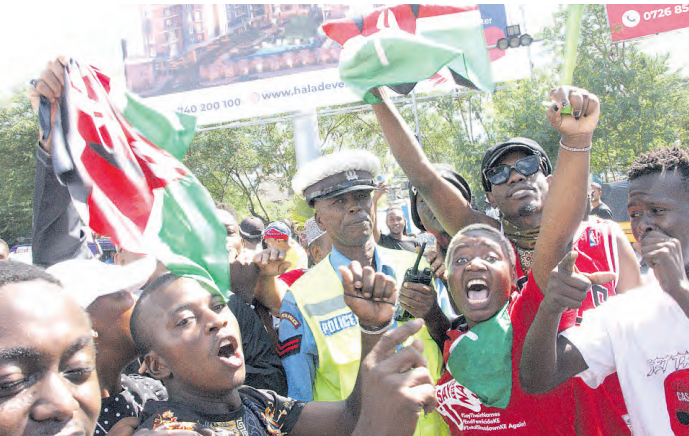
The recent surge in rider-led robberies provides a chilling backdrop to this trend. In several instances following large-scale political gatherings in the city, residents reported being terrorised by gangs of youths who, fresh from cheering on their patrons, turned their aggression toward the public.
The heavy deployment of official security does little to deter bands of ‘supporters’ who filter into the side streets, mugging commuters in broad daylight—sometimes while the official programme is still underway.
After a major rally the political elite leaves behind a security vacuum filled by marauding gangs that targeted shops and pedestrians, holding the neighbourhood hostage under the guise of post-rally jubilation.
This sets a dangerous precedent for the nation’s long-term stability. By legitimising these elements for short-term political optics, the ruling class is feeding a monster that will eventually refuse to be tamed.
Interior Cabinet Secretary Kipchumba Murkomen delivered a startling admission to the Senate on Wednesday, when he confirmed what many have long suspected: politicians are hiring and arming criminal gangs.
Appearing before senators, Murkomen identified Kitengela as a serious hotspot where criminal networks have exploited political patronage to entrench violence for years.
The timing of his remarks was significant, coming days after police teargassed an opposition rally in the same town, an incident that opposition leaders say left two people dead and at least 50 injured. The CS alleged that goons had been ferried from Machakos and Nairobi to attend that meeting, armed with guns and machetes to provoke police.
In Vihiga on February 21, a political rally descended into fatal chaos when a boda boda rider was killed by a mob after an altercation. The Directorate of Criminal Investigations confirmed that the victim had allegedly stabbed another man during the rally, triggering retaliation from bystanders who subjected him to mob violence.
Perhaps most concerning for investigators was the revelation that some rally organisers had allegedly armed their supporters, contrary to constitutional provisions governing peaceful assembly.
The DCI has warned that introducing weapons into political events poses a serious threat to public safety.
While a blind eye may be turned as we head into the election season, the transition from a campaign or a high-stakes political season into a period of governance requires a stable, predictable security environment.
The security headache that follows an election cycle is often the logical conclusion of this culture of mobilisation.
When the new administration tries to pivot toward order and settling down to work, they find a youthful populace that has been taught that proximity to power is a license to bypass the law.
The Singapore dream cannot coexist with a reality where a presidential visit acts as a catalyst for street-level robbery.
Unless there is a fundamental shift away from using gangs as political currency, the city risks becoming a permanent theatre of state-sanctioned insecurity, where the citizen pays the ultimate price for the politician’s crowd.