Even as Kenya’s overall inflation rate eased to 4.3 per cent in February 2026, the latest data reveals a more troubling reality for households.
According Kenya National Bureau of Statistics (KNBS), cost
of everyday essentials continues to rise faster than headline inflation
suggests.
A new analysis of the February 2026 Consumer Price Indices
and Inflation report shows that Sh1,000 buys noticeably less food today than it
did a year ago. This is further squeezing household budgets in ways not
immediately captured by the headline figures.
The broad inflation picture appears stable. Monthly
inflation stood at 0.2 per cent, while core inflation, which excludes volatile
items, fell slightly to 2.1 per cent. But the devil lies in the details.
Prices of staple foods that Kenyan families depend on have
risen sharply over the past year. This has made basic meals more expensive
despite the subdued national inflation rate.
“Annual consumer price inflation as measured by the Consumer
Price Index (CPI) was 4.3 per cent in February 2026. This implies that the
general price level was 4.3 per cent higher in February 2026 than it was in
February 2025,” KNBS said in the monthly update.
A comparison of national average retail prices shows that
while some items remained relatively stable, others surged significantly.
The price of loose grain maize, a critical staple for
millions of households, rose by 15.2 per cent year on year, climbing from
Sh62.68 in February 2025 to Sh72.19 in February 2026.
Similarly, fortified maize flour, commonly used for ugali,
registered a 9.6 per cent increase over the same period.
Vegetable prices, often sensitive to weather patterns and
supply chain disruptions, recorded some of the steepest increases in the
basket.
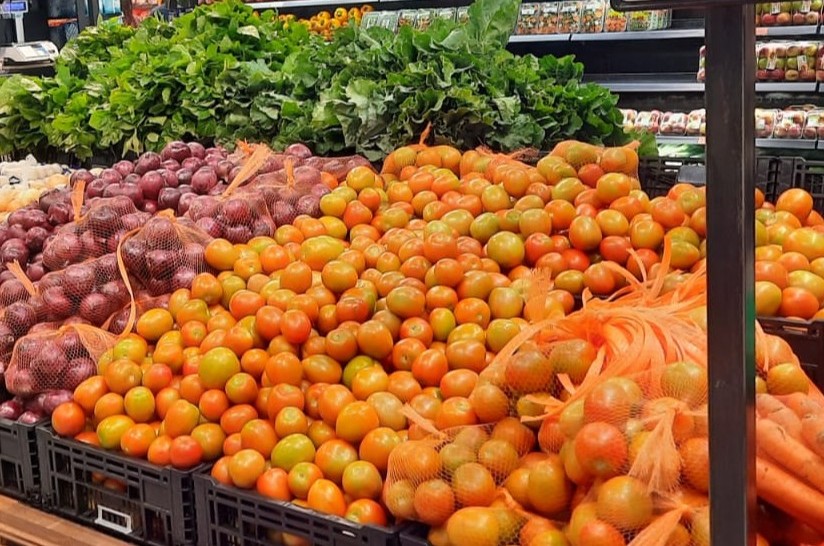
The price of tomatoes rose by 10 per cent, while traditional
vegetables such as murenda and kunde climbed by 12.4 per cent.
The cost of kale (sukuma wiki), arguably the most common
vegetable in Kenyan households, surged by 25.9 per cent. Cabbages soared by a
staggering 43.4 per cent.
With these greens forming the backbone of daily meals for
low- and middle-income families, the overall effect on household expenses has
been significant.
Protein has not been spared. The price of beef with bones,
another widely consumed item, increased by 8.6 per cent, rising from Sh666.74
per kilogramme in February 2025 to Sh724.40 a year later.
For many households already rationing meat consumption, this
increase places beef further out of reach and contributes to reduced dietary
diversity.
“The price increase was primarily driven by a rise in prices
of items in the food and non-alcoholic beverages (7.3 per cent), transport (4.0
per cent), and housing, water, electricity, gas and other fuels (1.8 per cent)
over the one-year period.”
Some relief came from items whose prices held steady or
declined slightly. Sugar, a frequent purchase for many households, remained
largely unchanged year on year, moving from Sh166.45 to Sh166.56, an
insignificant 0.1 per cent rise.
The price of fresh packeted cow milk stayed flat at Sh56.80
for half a litre, offering rare stability in a volatile food market. However,
these steadier prices were not enough to offset the rising cost of other
essentials.
Consumers are feeling the pinch most acutely at the till. A
basket that might have cost a household Sh1,000 in February 2025 now requires
substantially more.
Where one could previously buy a kilogram of tomatoes, a
litre of cooking oil and a kilo of beef with relative ease, those same items
now consume a much larger share of that budget.
The KNBS report also shows that food and non-alcoholic beverages inflation stands at 7.3 per cent, significantly higher than the overall inflation rate.