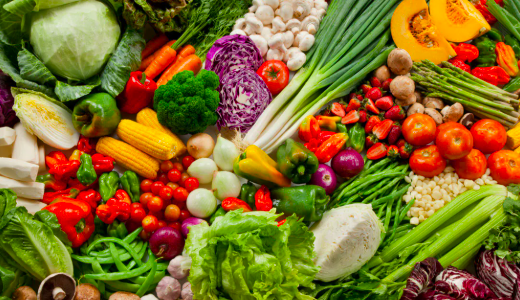
For many Kenyan households, January and partly February has traditionally been a time to stock up on vegetables and other greens, either to save money after the festive season or to balance the meat-heavy meals of Christmas and New Year.
But this year, shoppers like Atieno Agollah in Nairobi are noticing their weekly grocery bills creeping higher.
"Right now, here in Wanginge, we buy a bunch of sukuma wiki for Sh25, but in the outskirts, it’s selling at Sh30. So you can imagine how high that is," Agollah says.
She adds that she often mixes sukuma wiki with spinach, which also sells for around Sh30.
"If you were to consume vegetables every day, this becomes quite costly. Last year, the prices were around Sh20, or even Sh15 a bunch if you found a good shopkeeper," she explains.
Her concerns are echoed in the latest Kenya National Bureau of Statistics (KNBS) report, which confirms what shoppers are feeling. Vegetable prices jumped in February, with sukuma wiki up 2.4%, and cabbage and potatoes each rising 4% compared to January.
According to the KNBS report released on February 27, a kilogram of sukuma wiki now goes for Sh 83.32. On Average in January, the price was Sh 102.45.
For cabbages, a kilogram is now Sh 51.83. Food and non-alcoholic beverages remain the main drivers of inflation, while hotel and restaurant meals have also edged up slightly.
For families like Agollah’s, the rising prices are prompting creative meal planning.
“You have to make the vegetables stretch, or everyone goes hungry,” she laughs, juggling a basket full of greens as she navigates the busy market.
Food and non-alcoholic beverages remain the main drivers of inflation, but other sectors are feeling pressure as well.
Lodging and guest expenses increased by 0.6%, while food sold by vendors went up by 0.8%, with the sector recording an overall 2.7% rise.
Personal care items showed mixed movements: hairdressing services increased by 0.1%, while toilet paper and tissue products recorded a notable rise of 1.4%.
Clothing costs are also climbing, with men’s shirts up 4.1% and men’s coats rising 2.7% as tailoring and repair services became more expensive.
Even insurance and financial services were not spared: medical and vehicle insurance premiums each rose by 0.2% in February, contributing to a 0.7% year-on-year increase.
A new AGRA Food Security Monitor review shows that food insecurity is worsening across East Africa, with Kenya among countries seeing significant deterioration.
Nearly a quarter of the population—23.6 per cent—reports insufficient food consumption.
Consecutive poor rainfall seasons have disrupted both pastoral and marginal farming regions and the situation is expected to worsen through early 2026.
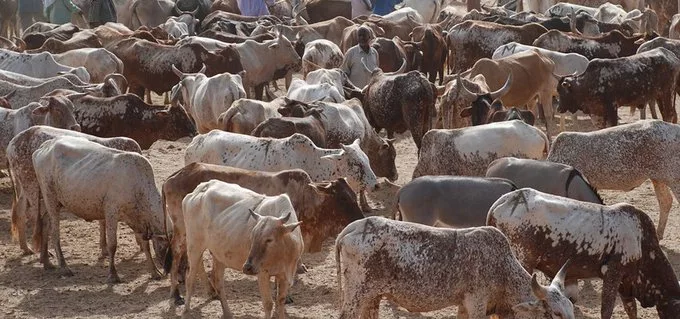
In pastoral counties like Turkana, Marsabit, Wajir, Mandera, Garissa and Tana River, crisis looms as livestock milk production and pasture availability decline.
Marginal agricultural zones, already stressed, are expected to slip into crisis between February and May, as high food prices and poor harvests leave households with little choice.