
Lenacapavir, administered as an injection twice a year (every six months), has been shown in clinical trials to be highly effective at preventing HIV infection.
It is particularly administered among populations at high risk such as adolescent girls and young women — a group disproportionately affected by new infections.
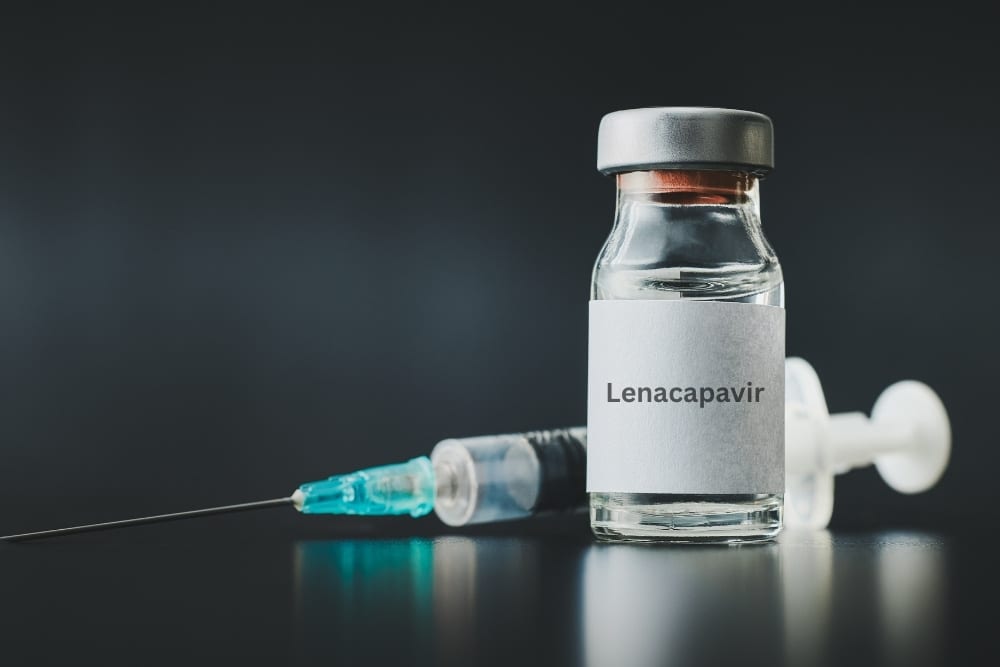
The initial consignment, supported by the Global Fund and co-financed by the U.S. government, will be distributed to districts with high HIV incidence beginning in March 2026.
Health officials say the long-acting injectable could significantly improve prevention outcomes, especially in areas where adherence to daily oral pre-exposure prophylaxis (PrEP) has been challenging.
Lenacapavir’s Impact and Regional Rollout
Lenacapavir has been undergoing rollout in several African countries after regulatory approvals. Uganda’s approval and receipt of the doses followed similar steps in Kenya, where health authorities recently launched the national rollout of the long-acting HIV prevention injection.
WHO | Regional Office for Africa
In Kenya, the rollout marked a major public health moment as the first group of eligible individuals received their injections.
ALSO READ: Nairobi Tops National HIV Infection Report, New Data Shows
The programme is targeting populations at substantial risk of HIV infection and is part of Kenya’s broader strategy to reduce new infections and accelerate progress towards ending the HIV epidemic.
Kenya received an initial shipment of 21,000 starter doses funded through partnerships with Gilead Sciences — the manufacturer of Lenacapavir — and the Global Fund to Fight AIDS, Tuberculosis and Malaria, with additional doses expected in the coming months.
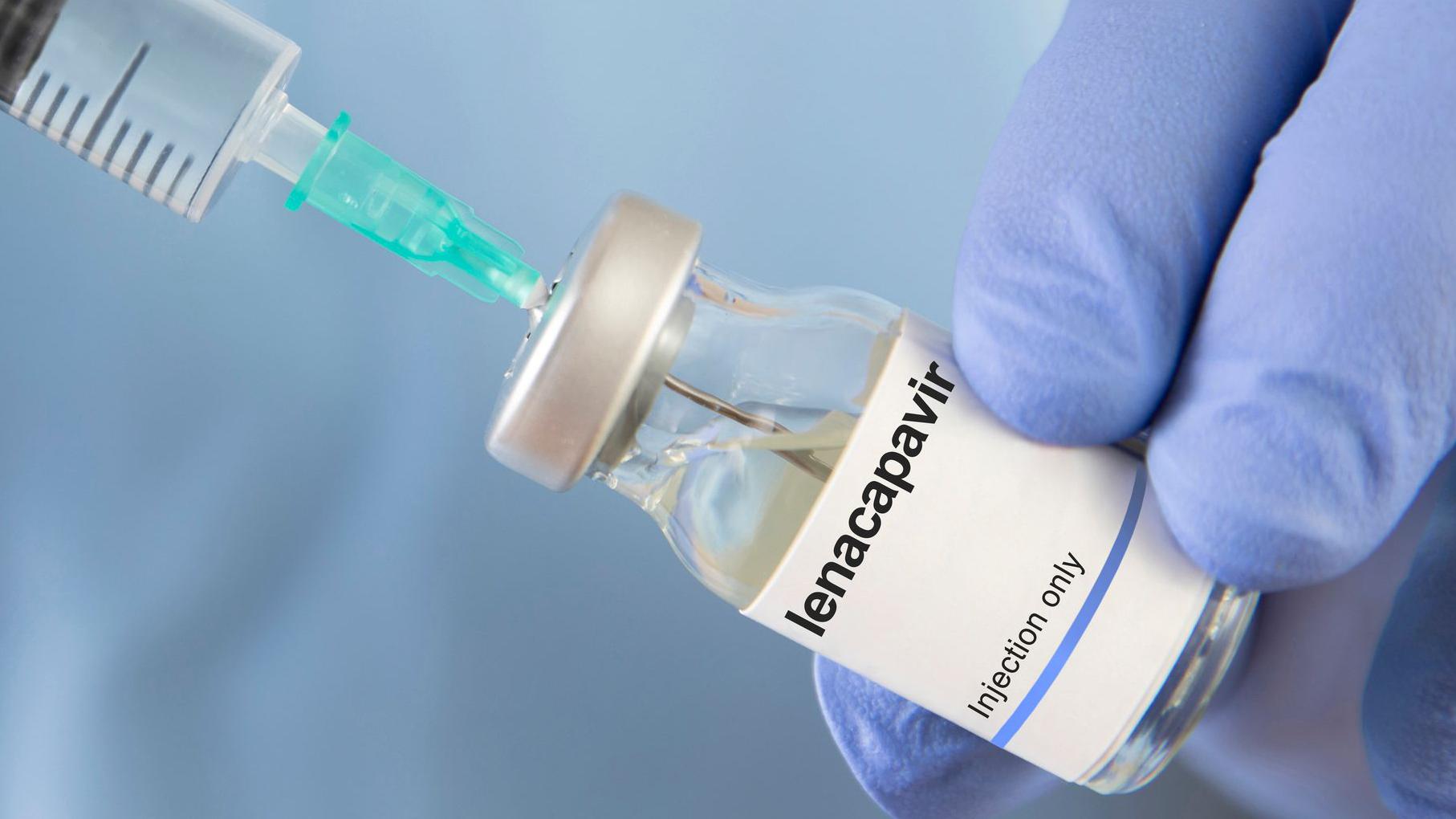
Health officials say the injectable will be provided free of charge to eligible high-risk individuals at selected public health facilities in priority counties.
Why Lenacapavir Matters
Lenacapavir represents a significant innovation in HIV prevention.
Unlike traditional oral PrEP pills that must be taken daily, the twice-yearly injection supports better adherence for many people who find daily medication difficult to maintain.
This approach could be transformative in sub-Saharan Africa, where new HIV infections among young people remain a public health priority.
World Health Organization
Clinical studies — including major international trials — have shown that Lenacapavir can dramatically reduce the risk of HIV acquisition when administered as a preventive agent.
Such long-acting formulations offer promising options for people whose lifestyles or circumstances make daily medication challenging.
Global and Local Partnerships Drive Progress
The joint efforts of global partners — including the Global Fund, the U.S. government, and international pharmaceutical collaborations — have played an essential role in bringing Lenacapavir to Uganda and accelerating its rollout in Kenya.
These partnerships are part of a wider strategy to expand access to effective prevention tools and support national HIV response programmes across high-burden countries.
As East African countries begin implementing this innovative preventive option, public health experts are optimistic that Lenacapavir could reshape the HIV prevention landscape and bring a renewed focus on ending the epidemic as a public health threat.






Comments 0
Sign in to join the conversation
Sign In Create AccountNo comments yet. Be the first to share your thoughts!