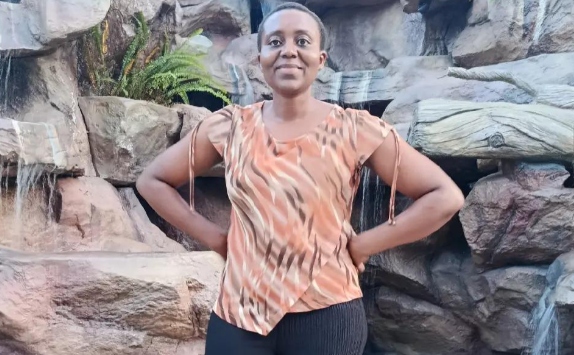
In January this year, media personality Kamene Goro shared a harrowing account of a health crisis that nearly cost her life. She described the period as one where the window between life and death was just 12 hours. This is her story of illness, intensive care and recovery.
Kamene revealed that she developed sepsis and peritonitis — life‑threatening conditions involving infection in the bloodstream and the lining of the abdomen. Doctors performed emergency surgery and removed five litres of pus from her abdominal cavity.
Read Also
“The window between me and life was 12 hours,” she said, emphasising just how critical her condition was.
Enjoying this article?
Subscribe for unlimited access to premium sports coverage.
View Plans

What happened in the hospital
After surgery, Kamene faced several serious complications:
- Kidney failure — her kidneys stopped working properly, requiring dialysis.
- Pneumonia — a serious lung infection developed while she was in care.
- Collapsed lung — one of her lungs failed, complicating breathing.
- Long stay in both the Intensive Care Unit (ICU) and the High Dependency Unit (HDU).
Doctors continued to monitor her closely to control infection and support failing organs.
The Science Behind Her Condition
Sepsis is a severe systemic infection that can lead to multiple organ failure. Globally, sepsis remains a major cause of death in hospitals. In severe cases where multiple organs are affected, mortality rates can be high.
Peritonitis, the infection of the abdominal lining, is a common source of severe sepsis. When untreated, it can trigger widespread inflammation and systemic response, making recovery difficult.
Medical research shows mortality for severe abdominal infections with sepsis can range from about 30 % to 50 %, depending on severity and complications.
Relearning Life After Illness
The physical aftermath was as hard as the medical emergency.
“I had to learn how to walk again.”
Rehabilitation after prolonged hospital stays often involves regaining strength, balance and confidence. For many patients, this process can be lonely and slow.
ALSO READ: 8 Surgeries in 4 Years: Citizen TV's Jamila Mohamed Reveals Secret Long-Term Health Battle

A Message of Support
Kamene acknowledged the emotional difficulties of recovery:
“Recovery is lonely; it sucks, and nobody fully understands you, but you don’t have to go through it alone.”




Comments 0
Sign in to join the conversation
Sign In Create AccountNo comments yet. Be the first to share your thoughts!