 Nairobi Senator Edwin Sifuna/FILE
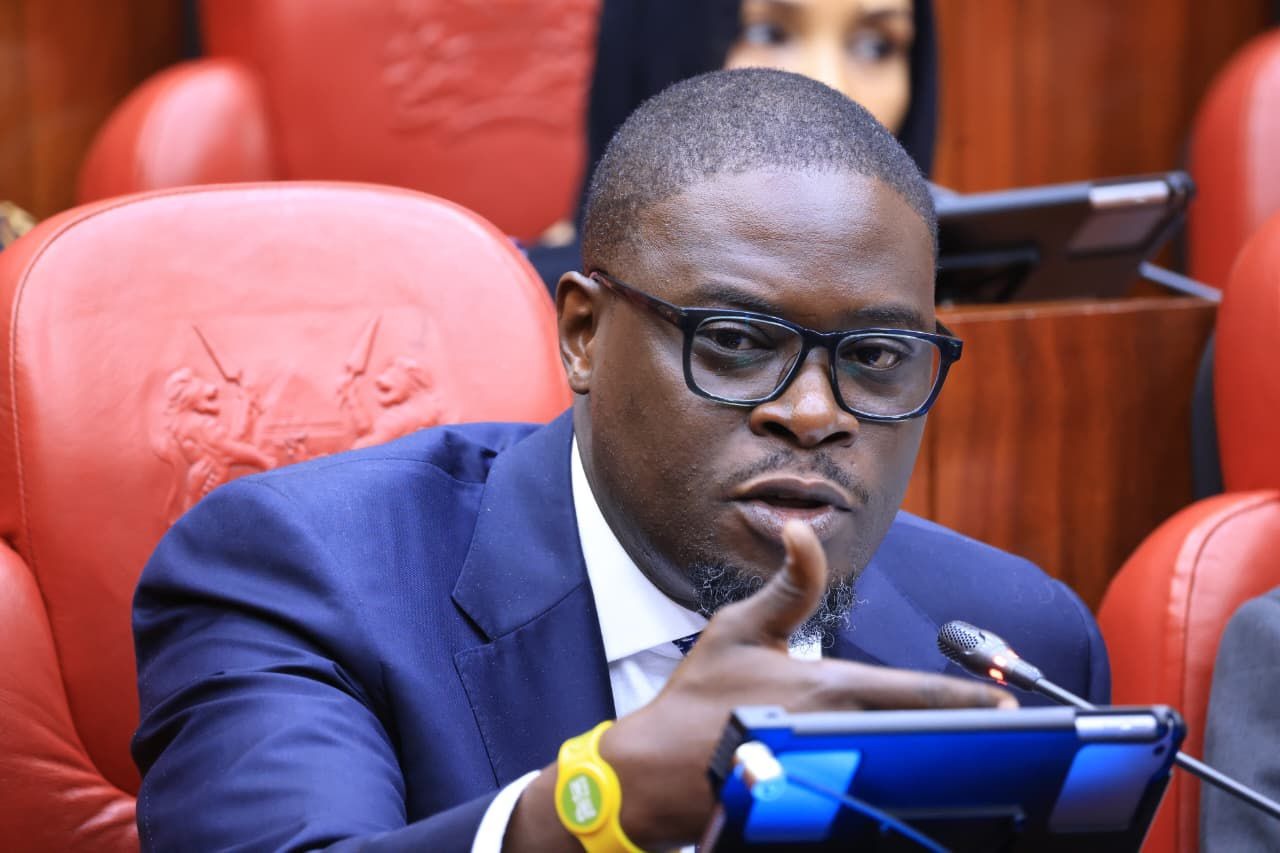
Nairobi Governor Johnson Sakaja found himself on the receiving end of a scathing rebuke from Nairobi Senator Edwin Sifuna during a Senate committee hearing on Thursday, over claims that the public had been properly consulted on the city’s proposed development agreement.
“Clause 6.2 provides that agreements, together with amendments, must be considered. What you are calling public participation is not empirical. People can mobilise crowds to say what they want. The law says there must be an agreement. Surely, Governor, you know what you are saying is not true,” Sifuna thundered, leaning forward as he addressed Sakaja directly.
The heated exchange unfolded as the committee sought clarity on whether Sakaja had genuinely engaged citizens before advancing the multi-billion-shilling agreement that aims to transform Nairobi’s infrastructure and revenue systems.
Sakaja, defending his approach, insisted that the county had followed proper procedure.
“We took the draft document through public participation because people need a document to discuss. If we did not have a draft, what would we have consulted on?” he asked.
Sifuna was unrelenting, emphasising the distinction between genuine citizen engagement and orchestrated events.
“You have done public participation many times, but it is on a vote, not empirical. Tomorrow, if people reject what you propose, what are the consequences? You cannot claim that a few mobilised voices represent Nairobi,” the Senator said.
 Nairobi Governor Johnson Sakaja/FILE
The exchange drew sharp attention to the legal and constitutional framework governing public participation in county development projects.
Sifuna reminded the committee that public consultation is meant to be binding and representative, not a superficial formality.
He cited previous projects, including the Woodley housing initiative, where proper consultation preceded any groundbreaking, underscoring what he described as Sakaja’s inconsistent approach.
Acknowledging the concerns, Sakaja admitted that public participation could be improved.
“Senator, you’re right. We can do it better. We’ve heard the views of the public, and we will review them at different levels of government,” he said.
The confrontation highlighted the growing scrutiny on Nairobi’s governance and transparency, especially regarding high-value development projects that have signalled heightened oversight by lawmakers determined to ensure that citizen voices are genuinely reflected in key decisions affecting the capital’s growth.