Political activity is picking up pace as the nation hurtles towards the 2027 general election. Partisan coalitions are being established, message delivery is increasing and national issues such as governance, inequality, corruption and the high cost of living are re-emerging. The Church is once again questioned in this changing political environment.
Kenya is a religious society. The Church is at the centre of social and civil life, especially at the grassroots. They influence values, shape public opinion and penetrate communities in a manner state institutions rarely do. This extensive presence gives the Church significant moral power, but with this comes great responsibility, especially during elections.
The Church has historically been an important player in the democratic process. Her leaders were very vocal in opposing political oppression and infringement of human rights during the fight for multi-partyism. They helped to foster a culture of civic responsibility and accountability.
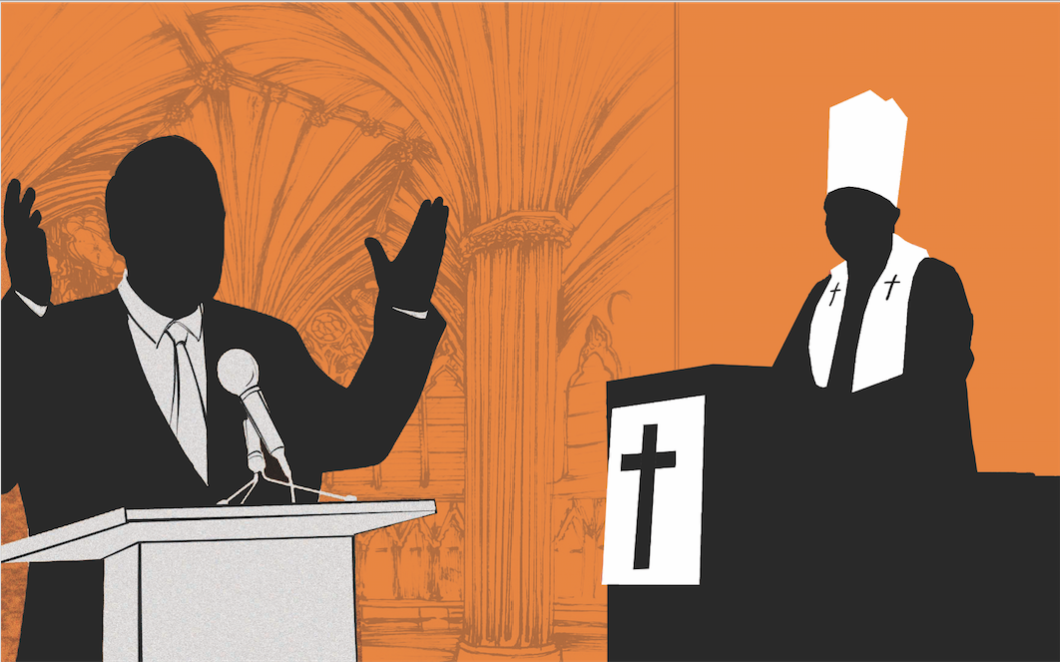
This moral legacy is now facing new challenges as the country approaches another high-stakes election. Recent elections have seen an increase in politicians using the pulpit to politick, and, of course, make a donation. This does not necessarily imply that the interaction between religious institutions and political leaders is problematic; however, when churches seem to prefer certain candidates or political teams, then it becomes a worrying issue.
This closeness threatens to discredit the Church as an objective entity. Once the elections are done, the church, which is seen to be in accord with the political power, may not find it easy to question injustice or demand accountability.
Political endorsement is not the work of the Church; she is meant to influence worshippers' conscience. Churches can ensure peaceful engagement, speak out against vote-buying and push for ethical leadership through civic and voter education. The Church can help change the political discourse by focusing on issues rather than personalities to promote national interest instead of ethnicity and personal rivalry.
Youth participation will be crucial in the lead-up to 2027. The youth constitute the majority of the Kenyan population and will play a key role in the upcoming election. However, many of them lack economic opportunities and are becoming even more disappointed in the political processes and institutions, which they see as corrupt. If the Church can listen to the youth and address their lived realities, she is likely to remain relevant.
The role of the Church as the guardian of peace is also essential. Faith leaders can help to counter divisive narratives, stimulate restraint and encourage reconciliation well before election time.
As 2027 draws closer, the Church finds herself in a dilemma—how to be politically relevant without being taken over politically. Her credibility will be based on coherence, moderation and staying on the path of justice, truth and dignity for every Kenyan.
Bachelor of Communication (PR & Marketing), Daystar University