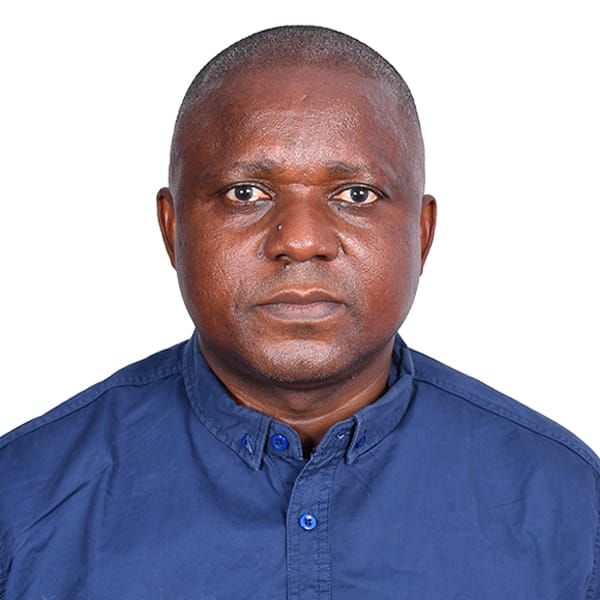
 Victor Bwire./FILE
Kenyans love sports, and on several occasions have not disappointed whenever teams and individuals from the country are competing by way of united massive support.
The fan base is huge, and
Kenyans possess huge talents, and to sports play, we must be serious and deliberate
in investing in the sector.
With the 2027 Africa Cup of Nations (AFCON) 2027 on the cards, the lessons learnt from the African Nations Championship (CHAN) 2025 are invaluable. Starting with the tournament preparations, planning, organization to hosting the tournament, those involved must prioritise the Kenyan brand and the players to more touching issues like infrastructure quality, technical capacity and team motivation. Remember the motivation the Kenyan national team put on show following the training and cash promise from the President, as also seen with the Tanzania and Uganda national soccer teams during CHAN 2025.
These global events and soccer tournaments such as CHAN and AFCON are huge branding and publicity opportunities that countries utilise to the maximum for showing other investment chances, and Kenya should just prepare to do that; invest in strategic communication and media, so that we allow the huge fan base enjoy, pay to attend and attract outsiders to the country, who will not only spend while here but possibly identify investment opportunities.
The Media Council of Kenya’s (MCK) as a contribution to sports development in the country and conducted assessment of media reporting on the CHAN to measure the quality, tone, and professionalism across major print, broadcast, radio, and digital platforms. The study focused specifically on how the Kenyan media portrayed the tournament, Kenya’s national team, Harambee Stars, and the wider themes of national unity, sports governance, and public accountability.
The study established that media coverage was one of the success factors of the tournament, and we should invest in media capacity to make AFCON successful. The tone of reporting was overwhelmingly positive and patriotic, celebrating Kenya’s successful co-hosting and the national team’s strong performance. Reports consistently emphasised the pride of Kenyans, the economic benefits of the event, and the role of sport in promoting regional cooperation. This multi-platform excellence was evident as newspapers such as The Star, The Standard, People Daily, The Daily Nation, Business Daily and Taifa Leo produced detailed match analysis and commentaries that effectively combined emotion with factual accuracy. Broadcast including CTV and Citizen radio, KBC, among other media delivered high-quality live coverage and expert commentary, while vernacular radio stations ensured that rural audiences were not left behind through real time reporting.
Digital and social media platforms, including Facebook, X, and TikTok—created a highly interactive layer, becoming arenas for fan debates, instant reactions, and creative expressions of national pride. The report recorded more than 2.2 million interactions on TikTok especially during Kenya’s victory over the Democratic Republic of Congo, showcasing the strength of online engagement. This maturity of reporting shows the steady professionalism of Kenyan journalism.
The tone of the coverage was positive, emphasizing national unity, team resilience, presidential support, and economic benefits like tourism and job creation. Remember that through the media logistical issues included ticket shortages, hoarding of tickets by ‘politicians’, website crashes from bots, traffic disruptions, and security lapses causing stampedes and unauthorised access to the stadium. During the coverage of CHAN most panels as constituted were dominated by men. There is need to promote gender-balanced panels and commentators in sports coverage.
The report concludes that CHAN 2024 served as a benchmark for responsible sports reporting, confirming that when journalists are guided by ethics, training, and professionalism, they can strengthen social cohesion and public confidence.
The government should develop a standardised, transparent reward framework for national teams, managed by sports federations rather than ad-hoc presidential pledges, to avoid legal disputes.
They should link incentives to long-term athlete development, including training facilities and youth programmes in addition to establishing alternative match watching venues, expand fan zones nationwide and integrate them with digital streaming to accommodate more supporters, reducing stadium overcrowding
As the media plays its watchdog role, it’s very helpful that they invest fully and spare time on the AFCON 2027 and the advantages that come with such big events. Additionally, media must assist in creating awareness of Kenya's offerings, attract high quality tourists while growing and developing mutually beneficial relationships with key players in the global hospitality space.
Those with information need to share it with the media proactively so that media carries big stories about these various international events that the country is hosting, which not only adds to its positive image but the much needed credibility and endorsement following the past terrorist attacks and cumbersome conditions that saw a number of investors either leave or shun the country.