In the last few weeks, a troubling reality has confronted residents of Nairobi’s so-called “leafy suburbs.” Areas once associated with comfort, diplomatic residences, thriving restaurants and corporate headquarters such as Kilimani, Lavington and Kileleshwa, are now increasingly defined by fear.
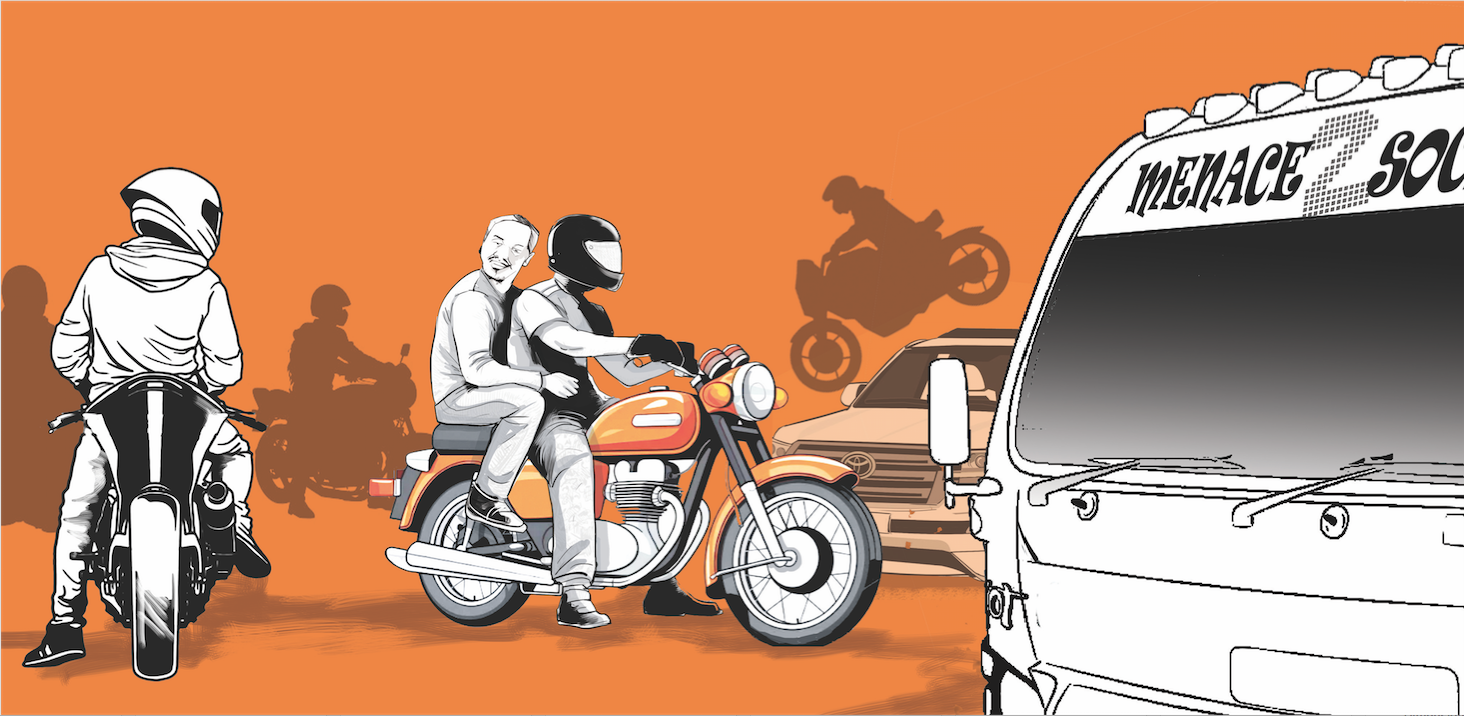
Videos circulating widely on social media show brazen attacks in broad daylight. Motorcycles with two or three young men pull up beside vehicles stuck in traffic. Within seconds, car windows are smashed, phones and handbags snatched as motorists are left shaken and terrified.
In other clips, pedestrians are cornered on sidewalks, wrestled to the ground and robbed as onlookers scatter. The audacity is chilling, the speed is surgical and the impunity is unmistakable.
Kilimani and Lavington sit at the heart of Nairobi’s urban promise. These areas are home to iconic malls and a dense cluster of offices, restaurants and high-end apartments. The areas have long symbolised the city’s cosmopolitan growth.
Just across, Kileleshwa’s once-quiet residential lanes have transformed into vertical skylines housing young professionals, expatriates and families seeking proximity to the central business district. These are not forgotten corners of the city. They are prime zones of economic engines humming with investment.
Yet even here, insecurity has crept in with alarming confidence.In the past, Kenyans have been accustomed to crime thriving in neglected spaces where public lighting is poor and police patrols are rare.
This recent phenomenon, where criminals strike in broad daylight, on busy roads, under the gaze of CCTV cameras and within minutes of police stations, is unheard of. That brazenness sends a dangerous message that the state has either been overwhelmed or has grown indifferent.
For many residents, the fear is no longer abstract. It is personal. Parents now think twice before allowing children to walk to nearby shops. Evening jogs have been replaced with indoor treadmills. Business owners whisper about relocating. WhatsApp groups buzz not with weekend plans but with warnings: “Avoid this road.” “Another robbery at 2pm.” “Hide your phone in traffic.”
This erosion of public safety in Nairobi’s most visible neighbourhoods signals a deeper institutional crisis. When criminals operate on motorcycles with such coordination, it suggests organisation, not desperation alone. When attacks recur in similar patterns, it suggests predictability and when no meaningful arrests or deterrent measures are communicated, it suggests either incapacity or unwillingness.
The capital city is not just another urban centre. Nairobi is Kenya’s diplomatic hub, its financial heart, its global face. Multinational companies anchor their regional headquarters here. International organisations operate from its suburbs. Investors weigh their confidence in Kenya by the stability of its capital. If insecurity festers in Kilimani, Lavington and Kileleshwa, what message does that send to the world?
Security is the most basic social contract between a government and its people. Citizens surrender certain freedoms, pay taxes and comply with laws in exchange for protection. When that protection falters, especially in areas that visibly generate significant tax revenue, the breach feels profound.
It is not enough to dismiss these incidents as isolated. Nor is it helpful to blame victims for “displaying phones” or “driving with windows down.” The burden of security cannot be outsourced to private guards and gated compounds alone. If anything, the rise of private security firms in these neighbourhoods reflects growing public distrust in formal policing structures.
There are uncomfortable questions that must be asked. Are police patrols sufficiently resourced? Is intelligence gathering on criminal networks active and coordinated? Are rogue officers complicit in shielding certain gangs? Has the sheer economic strain on young people created fertile ground for organised urban crime?
The truth likely lies in a complex mix of these factors. However, complexity cannot become an excuse for paralysis.
History shows that insecurity, once normalised, metastasises. What begins as phone snatching evolves into carjackings. What begins in isolated junctions spreads to entire corridors. Businesses respond by scaling down. Residents retreat further behind walls. Social trust fractures.The cost of all this is not merely economic but also psychological – a city gripped by fear is a city diminished.
Nairobi has weathered insecurity before. It has endured terror attacks, electoral unrest and waves of petty crime. Each time, recovery required visible, decisive state action, including coordinated patrols, public reassurance and arrests that demonstrated consequences. Silence and inertia have never restored confidence.
Nairobians are not asking for miracles. They are asking for presence. For patrol cars that are seen. For rapid response to distress calls. For public communication that outlines concrete steps being taken. For collaboration between community groups, businesses and law enforcement that goes beyond token meetings.
Nairobi’s promise – its dynamism, its creativity, its entrepreneurial spirit – depends on safety. Without it, the glittering towers of Kilimani, the world-class restaurants of Lavington and the leafy avenues of Kileleshwa become hollow symbols.
The state must act and act visibly. Because when daylight becomes the cover for crime and when motorbikes become the instruments of terror in the capital’s most affluent zones, the warning could not be clearer: insecurity is no longer creeping. It is galloping.
Chief Executive Officer, VOCAL Africa