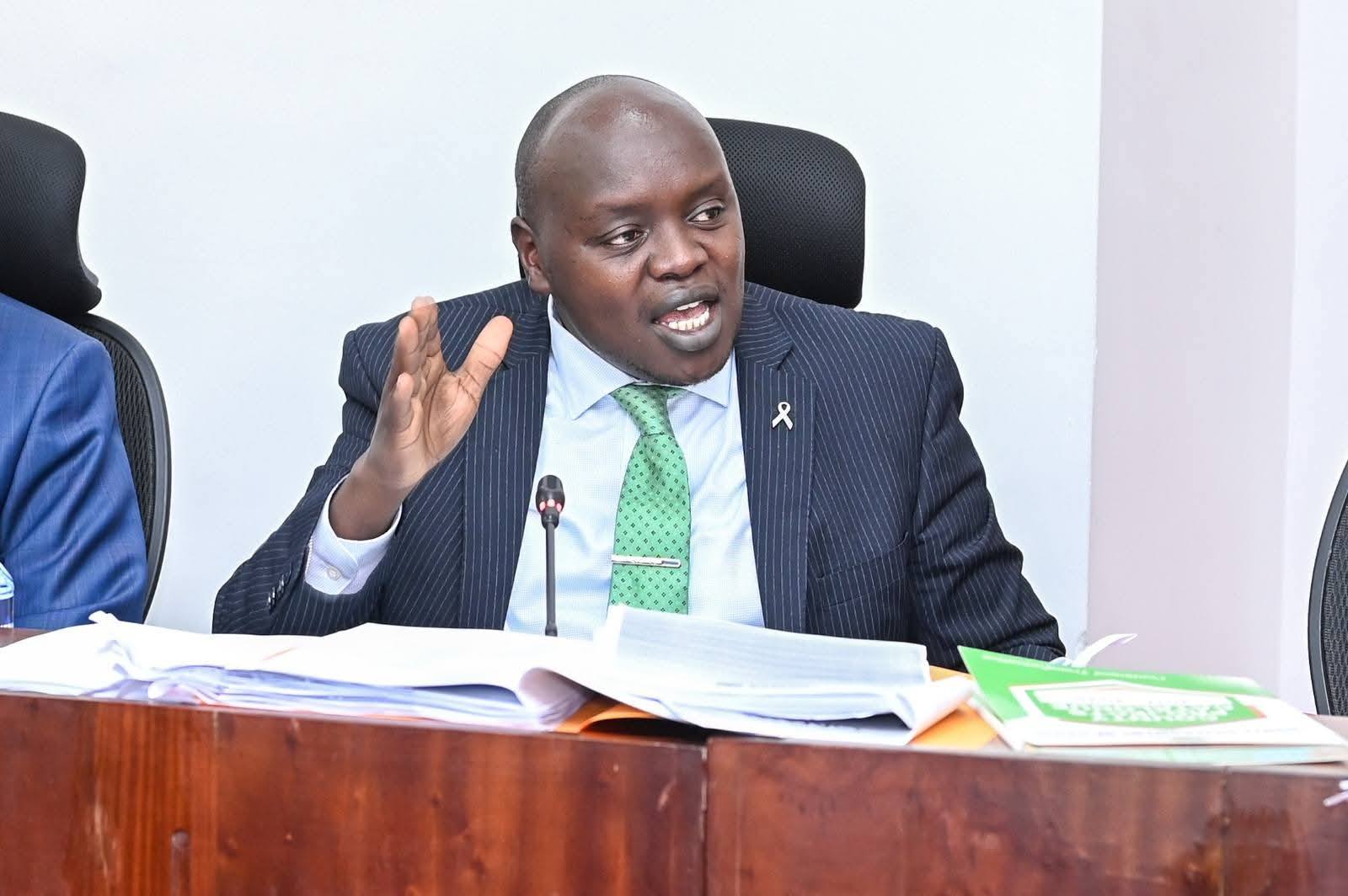
 Nandi Senator Samson Cherargei/COURTESY
Senators have launched an investigation into the operations of international schools in Kenya following allegations of widespread irregularities, labour violations and regulatory breaches by some institutions.
The probe, being undertaken by the Senate Education Committee, will examine claims that certain schools are operating illegally while enjoying political protection or diplomatic cover to avoid scrutiny.
Lawmakers say the inquiry aims to safeguard students, teachers, and parents and to ensure that all institutions comply with Kenyan laws.
Nandi Senator Samson Cherargei, who petitioned the House, said Kenya welcomes foreign investment in education but warned that no institution should be allowed to exploit legal loopholes.
“While Kenya supports international investment in education, we cannot allow institutions to operate outside the law or undermine our regulatory framework,” he said.
Cherargei alleged that some international schools are hiring foreign nationals on tourist visas instead of obtaining the required Class D work permits, locking out qualified Kenyan teachers from employment opportunities.
He further claimed that a number of institutions are operating from residential premises without proper zoning approvals, exposing learners to unsafe environments and violating planning regulations.
The senator also raised concerns over alleged financial misconduct, saying some schools deduct statutory contributions such as NSSF, the Housing Levy and the Social Health Authority (SHA) from employees’ salaries but fail to remit the funds to the relevant government agencies.
“Academically, there are claims that some institutions have expanded into secondary education without approval from the Ministry of Education, falsified student assessments and created hostile learning environments that have forced parents to withdraw their children,” Cherargei said.
The committee is expected to recommend reforms to strengthen oversight, regulate the establishment of international schools in residential areas and ensure compliance with labour, immigration and education laws.
The matter triggered a broader debate in the Senate, with legislators warning that the rapid growth of international schools has exposed major regulatory gaps.
Wajir Senator Abass Sheikh said the country is witnessing an uncontrolled expansion of learning institutions, some of which are located in unsuitable buildings.
“Some schools are being set up in high-rise premises with limited space for play and emergency access. This puts learners at risk and calls for stricter regulation,” he said.
Nominated Senator Beatrice Ogola backed the probe and urged the committee to examine the social and ethical dimensions of international education, including curriculum oversight.
“Even where schools offer foreign curricula, there must be supervision by the Kenya Institute of Curriculum Development to ensure alignment with national values and standards,” she said.
For his part, Bomet Senator Hillary Sigei said the allegations pointed to possible failures by regulatory agencies responsible for licensing and monitoring schools.
“If institutions are operating without licences or failing to remit statutory deductions, then oversight bodies must be held accountable,” he said, linking the issue to petitions filed by former employees over alleged labour violations.
Murang’a Senator Joe Nyutu termed the claims serious and insisted that all schools must be registered and comply with labour laws.
“We cannot tolerate situations where workers’ statutory deductions are not remitted. That is a direct violation of their rights,” he said.
Nyutu also expressed concern over the preference for foreign teachers despite high unemployment among Kenyan-trained educators and called for county and sub-county education officers to be held responsible for allowing unlicensed institutions to operate.
The investigation comes amid a surge in demand for international curricula, particularly in Nairobi, where the number of foreign-system schools has grown rapidly to serve expatriates and middle-class families seeking alternative education options.
If the allegations are substantiated, the probe could lead to a comprehensive review of the regulation of international schools, covering zoning, accreditation, labour compliance, immigration requirements and curriculum supervision.
The Senate Education Committee is expected to table its findings and recommendations in the House in the coming weeks.