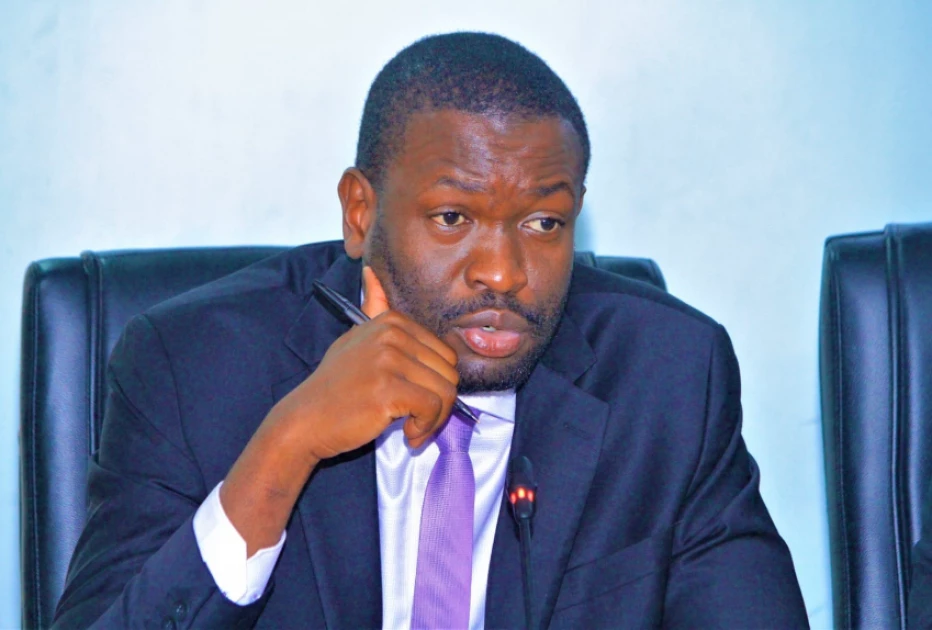
The emergence of ousted ODM secretary-general Edwin Sifuna’s Linda Mwananchi movement has quickly become one of the most consequential political developments in Kenya’s current landscape.
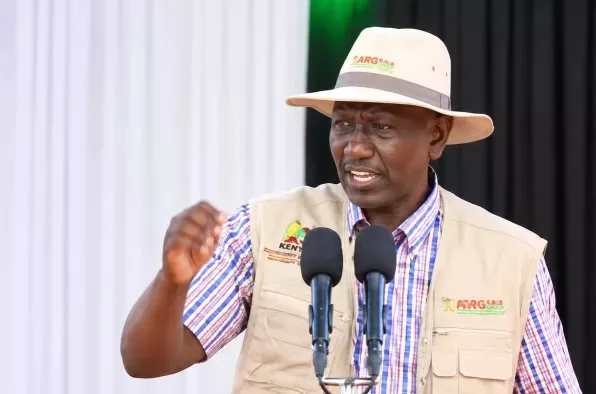
This is a genuine, bottom‑up expression of public frustration — particularly among Gen Z — with President William Ruto’s administration. Let no one mistake it as a passing cloud.
At the same time, the movement introduces both opportunities and risks for the broader opposition as it seeks to consolidate a winning strategy for 2027.
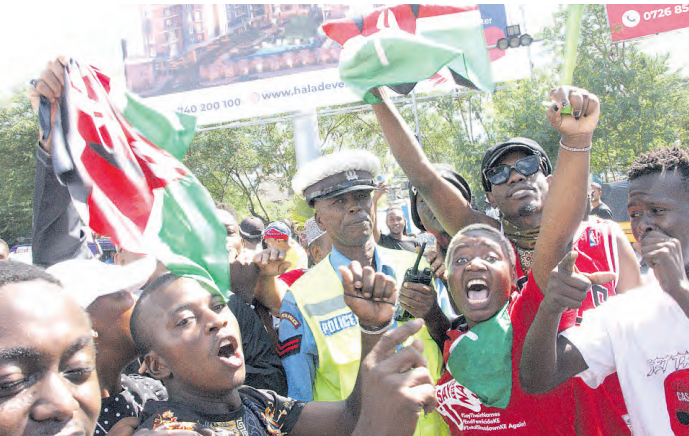
Linda Mwananchi did not arise from elite political engineering but from widespread anger and disillusionment among young Kenyans. Gen Z, in particular, has been vocal about economic hardship, governance concerns and unmet expectations. This demographic — digitally savvy, politically assertive and increasingly organised — has found in Sifuna a voice that articulates their frustrations with clarity and boldness.
This authenticity is part of the movement’s power. It is not perceived as a traditional party structure but as a civic uprising demanding accountability. That organic energy gives it legitimacy and momentum.
A second factor fuelling the movement is Ruto’s obvious efforts to haul ODM into his 2027 strategy. Denials notwithstanding, that perception alone has generated strong resistance within ODM — especially its youth —who reject any cooperation with the Ruto administration. Old hands such as Siaya Governor James Orengo reject the efforts as well.
This sentiment has placed Sifuna at the centre of a generational and ideological divide within the opposition. To many young supporters, he represents a refusal to compromise with the government they oppose. That positioning has strengthened his influence but also raised the stakes for how he navigates the coming political realignments.
Despite its authenticity, the movement faces internal risks that could undermine its stated goal of preventing President Ruto’s reelection. One concern is the possibility that Sifuna, buoyed by rising popularity, might be tempted to pursue a presidential bid himself. Such a move would fragment the opposition vote while strengthening the incumbent — an outcome directly contrary to the movement’s purpose.
Even if the Nairobi senator does not run, the rapid growth of Linda Mwananchi could embolden him to form a “third force” within the opposition. While this might energise supporters, it could also complicate efforts to rally behind a single candidate, a factor historically crucial in Kenyan elections.
For the movement to maintain its impact without destabilising the opposition, it should continue building momentum independently, while avoiding antagonism toward the candidate who currently appears to command broad support among opposition voters: Fred Matiang’i.
From this perspective, the movement’s strength lies not in producing its own presidential contender but in shaping public sentiment, mobilising youth and influencing coalition negotiations.
A complementary relationship — rather than a competitive one — between Sifuna’s movement and the leading opposition candidate maximises the opposition’s collective strength.
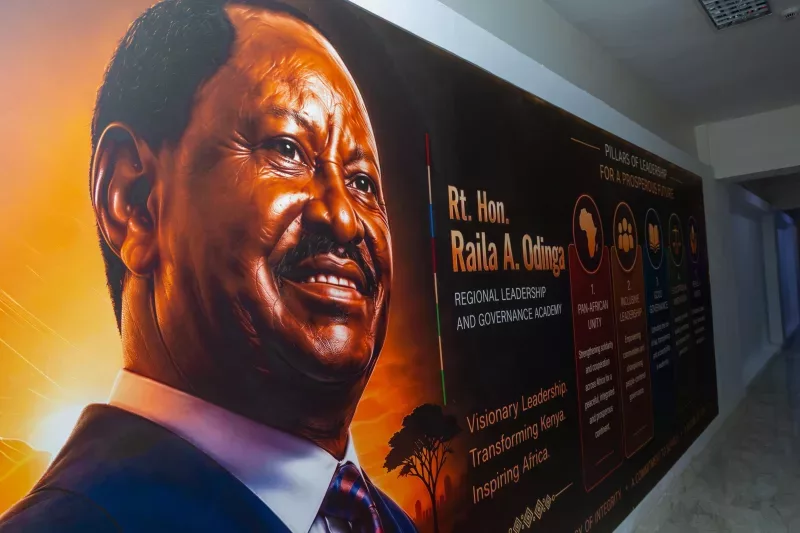
Coalitions, not parties, define who is sworn as president in Kenya. When party leaders and senior politicians eventually negotiate a pre‑election alliance, Linda Mwananchi is expected to play a pivotal role. I compare this potential moment to Raila Odinga’s historic ‘Kibaki Tosha’ declaration in 2002, which unified the opposition and reshaped the election.
If Sifuna and the movement were to endorse a candidate, that endorsement would significantly influence public perception and energise the youth vote.
Objectively, between the leading opposition figures — Matiang’i and Kalonzo Musyoka — Matiang’i’s political style and reformist messaging appear more closely aligned with the ethos of Linda Mwananchi. This alignment makes a Matiang’i Tosha’ moment more in line with the movement’s base.
Should the movement and broader opposition coalesce around Matiang’i, it would be strategically beneficial for Kalonzo to accept a running‑mate position rather than pursue a separate presidential bid.
Doing the latter would be no different than what he did in 2007 and something many believe is what he has in mind, but time will tell.
The Linda Mwananchi movement represents both a powerful opportunity and a delicate challenge for Kenya’s opposition. Its authenticity, youth-driven energy and moral clarity give it enormous influence.
Yet its future impact will depend on disciplined leadership, strategic alignment and an ability to channel its momentum toward a unified national objective. If managed wisely, the movement could become a decisive force in shaping Kenya’s political direction in 2027.