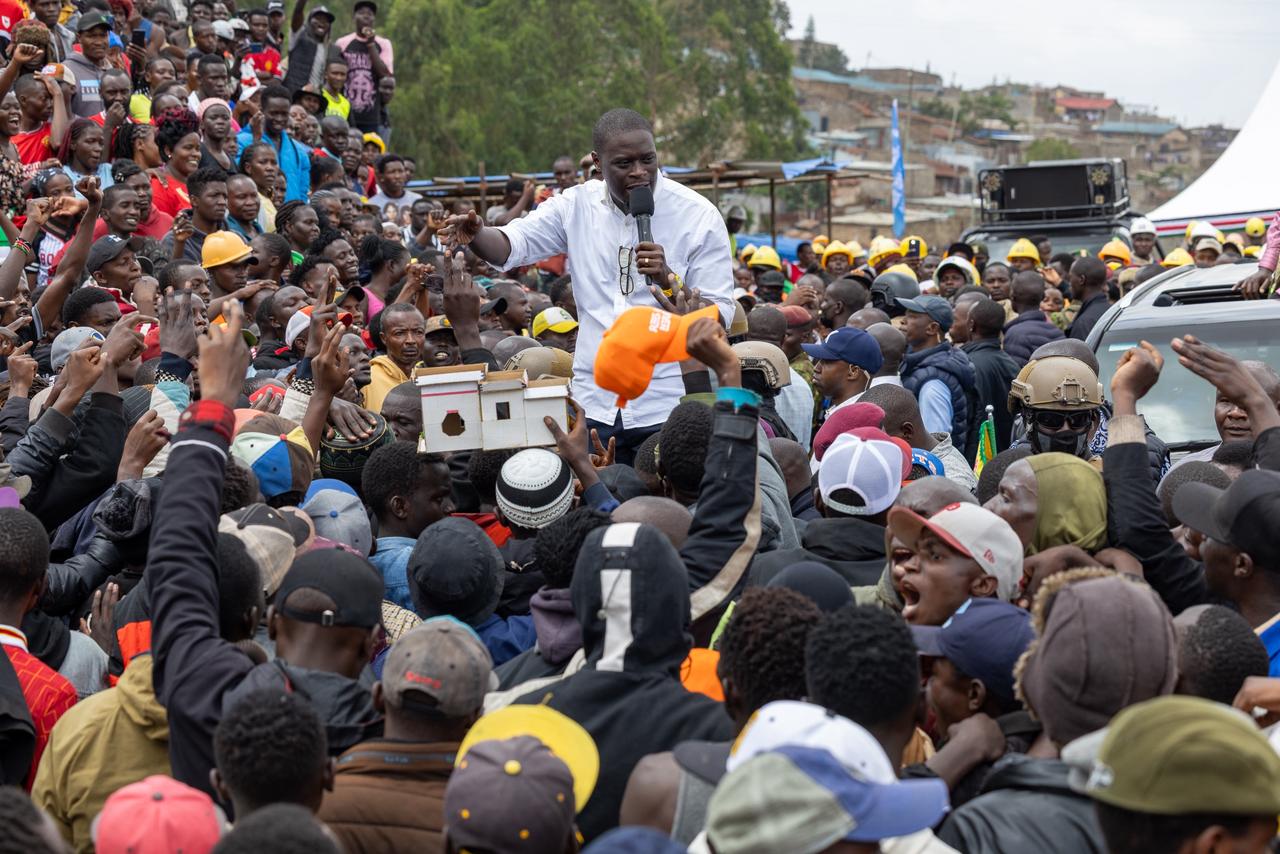
Once heralded as the ‘City in the Sun,’ Nairobi, under the tenure of Governor Johnson Sakaja, has deteriorated into a city of filth and broken promises.
Despite the polished rhetoric and the ‘Let’s Make Nairobi Work’ slogan, the reality on the ground depicts a capital in a state of terminal decline.
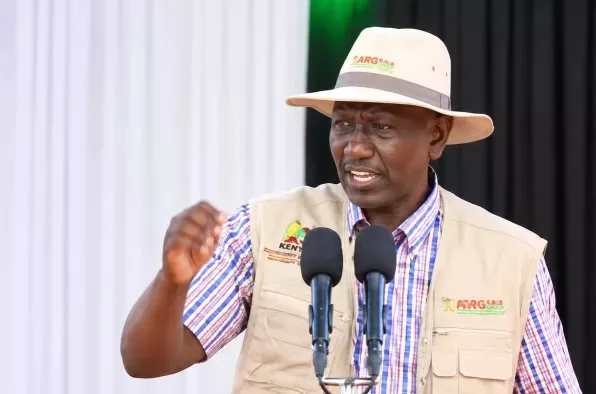
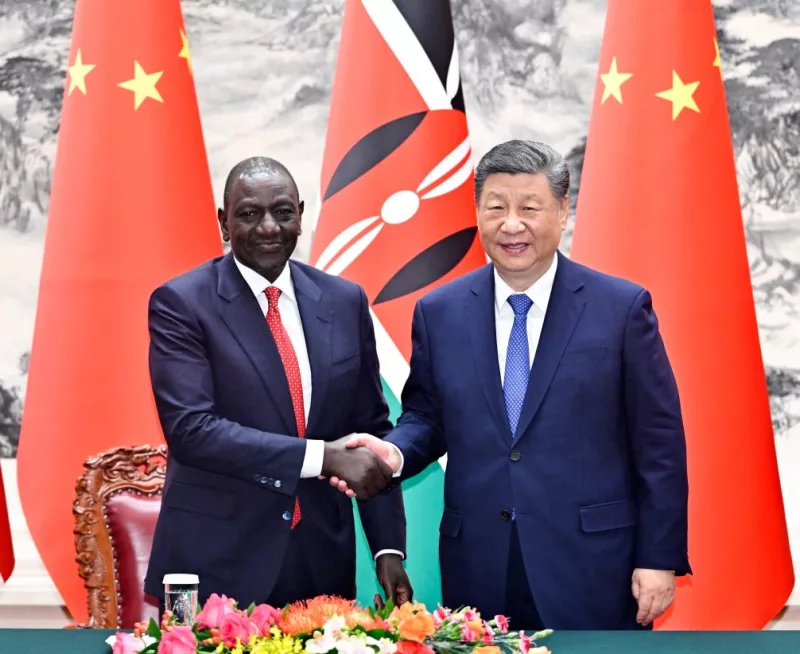
The recent signing of a Sh80 billion cooperation agreement between Sakaja and President William Ruto is not a lifeline for the city; rather, it is a formal admission of incompetence and an erosion of the hard-won gains of devolution. And the deal has sparked fears of a "stealth takeover" of Nairobi county.
But the evidence of this administrative paralysis is visible at every street corner— the waste management crisis has reached an industrial scale, the collapse of public infrastructure and water services has left millions of residents in despair and the county’s fiscal management has been nothing short of disastrous.
Mountains of uncollected garbage have become permanent landmarks in residential estates and the central business district alike.
While the governor claims to have hired a ‘Green Army’ of 4,000 workers, the city remains choked, with the President himself forced to publicly bemoan the standards of cleanliness.
Persistent water shortages continue to plague estates, even as sewer lines erupt and remain unfixed for days in the heart of the city.
A recent audit uncovered staggering irregularities, including the hiring of more than 3,800 staff without any public advertisement and a payroll system where salaries were inexplicably adjusted up to six times a year.
Reports from the Controller of Budget have previously highlighted periods where the county spent zero shillings on development, further cementing the image of an administration that prioritises recurrent luxuries over service delivery.
This situation draws a haunting parallel to the days of Mike Sonko’s governorship.
And just as Sonko’s erratic leadership led to the creation of the Nairobi Metropolitan Services in 2020, Sakaja’s inability to manage the city has forced a similar "shared responsibility" formula.
Although Sakaja vehemently denies ceding functions, the new deal sees the national government taking the lead on garbage collection, public works and water supply—the very heart of devolved functions.
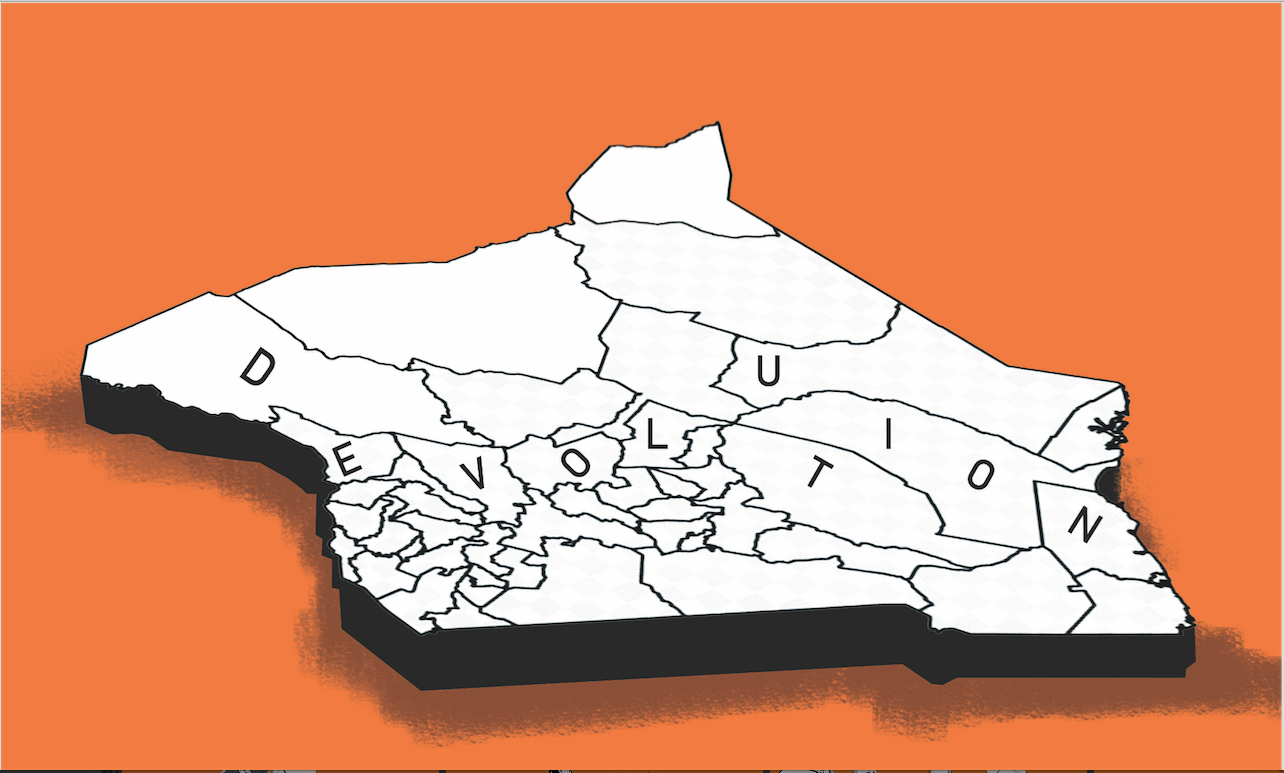
This pact represents a betrayal of the 2010 Constitution. By allowing the national government to seize control of critical departments through a Joint Steering Committee, Sakaja has reduced the office of the governor to a ceremonial role.
Critics, led by Nairobi Senator Edwin Sifuna and Embakasi North MP James Gakuya, argue the deal is a "Trojan horse" for recentralising power. Placing the governor in a "subservient" role—deputising the steering committee chaired by Prime CS Musalia Mudavadi—is suspect.
This move erodes the autonomy of the county, making the governor subservient to the Prime CS and turning Nairobi back into an extension of the central government.
It is a dangerous precedent that suggests devolution is only valid as long as a leader is competent, rather than being a protected constitutional right.
Besides, when Sonko found himself in Sakaja's current situation, an impeachment followed swiftly after.
Perhaps this was to be Sakaja's fate and this move is the President's attempt to save him from removal, considering he survived similar motions.
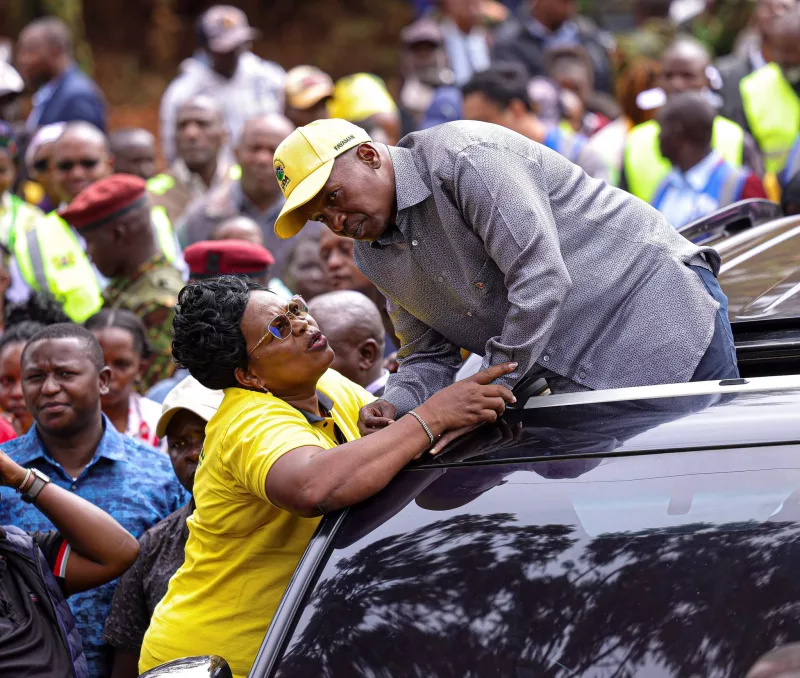
He was saved by a dramatic political lifeline when Ruto and former ODM leader Raila Odinga, separately intervened, summoning their respective party MCAs to call off the motion.
Sakaja's survival is widely seen by analysts as a result of national political interests (maintaining the UDA-ODM cooperation) rather than a clean bill of health from the county assembly and this intervention lends credence to that thought.
Nonetheless, Nairobi needs to be rescued. To achieve this, urgent steps must be taken.
To start with, the secretive cooperation agreement must be subjected to rigorous public participation and approval by the county assembly to ensure it does not bypass the law.
Second, the county must decentralise service delivery to the subcounty levels, giving local administrators the resources and authority to manage waste and infrastructure directly.
Finally, a forensic audit of the county’s payroll and procurement systems is essential to root out the cartels that have hollowed out City Hall.
Nairobians did not vote for a "deputy governor" to the national government; they voted for a leader to transform their city.
If Sakaja cannot deliver without surrendering his mandate, he must acknowledge that the "experiment" of his leadership has failed.
Nairobi deserves better than to be a political bargaining chip in a deal that sacrifices devolution for administrative convenience.