Kenyan taxpayers could save up to Sh3 billion annually in interest payments and transactional costs as the government pushes for full rollout of the Single Treasury Account.
Data by the Office of the Controller of Budget revealed that in just six months of the current 2025-26 financial year, the STA has already consolidated Sh1.5 trillion from previously fragmented accounts held across the public sector.
This consolidation, according to deputy controller of budget Stephen Masha has led to a reduction in the government’s reliance on overdrafts from the Central Bank of Kenya compared to a similar period last year.
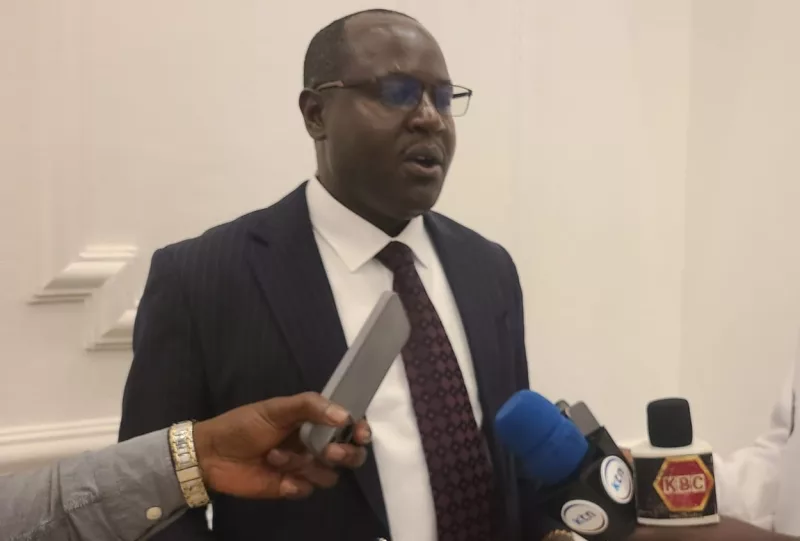
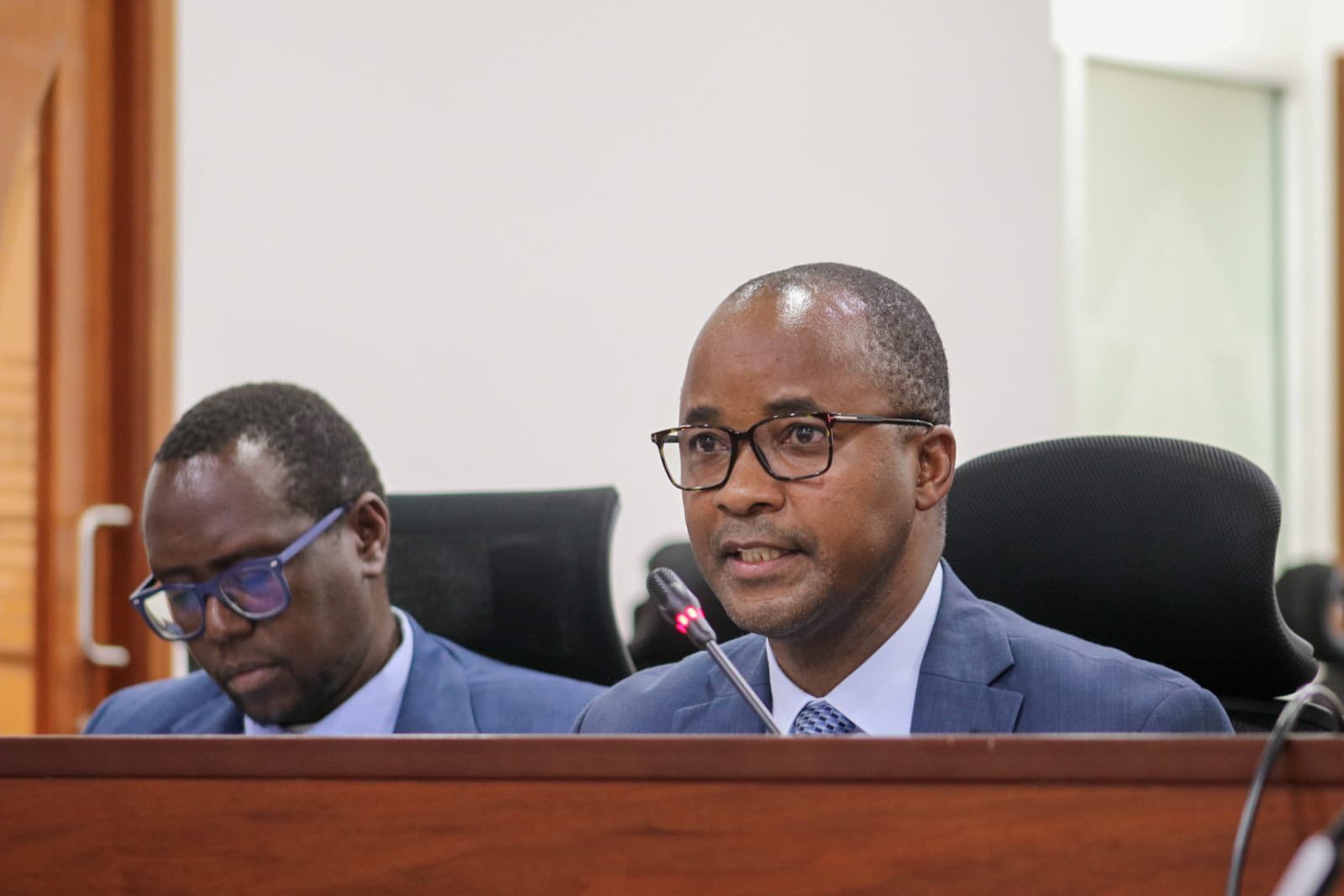
Appearing before the Finance and National Planning Committee, Masha said the system is designed to stop a decades-long practice in which government institutions held idle cash in commercial bank accounts while the National Treasury borrowed expensively from the domestic market.
“If the current trend holds to the end of the financial year, the government stands to save about Sh3 billion, purely from reduced overdraft usage and avoided transactional leakages,” Masha told the Committee chaired by MP for Molo Kuria Kimani.
From the session it emerged that, the government is now in the final stages of onboarding all state entities, including ministries, departments, agencies and donor-funded programmes into the unified account.
If fully implemented, Masha said, the STA will “eliminate the absurdity of government borrowing its own money,” a practice he argued has contributed to unnecessary debt accumulation, inefficient cash management, and costly overdrafts at the Central Bank of Kenya.
He added that further savings were expected as more accounts some still held at the Central Bank but not yet mapped into the STA are migrated into the new system.
Despite the early gains, Masha warned that the absence of comprehensive regulations tailored specifically to the Controller of Budget’s operations had slowed down the full implementation of the STA.
“We need regulations that clearly guide how requests for resources are made, processed, and monitored. This will ensure predictability for all institutions and reduce the current ambiguities that contribute to misuse of funds,” he said.
Although the National Treasury approved earlier regulations over a decade ago, the then-existing Senate did not, leaving a regulatory void that still affects uniform application across government entities.
He noted that legal and procedural inconsistencies had allowed cases where institutions requested funds without fulfilling requisite conditions, leading to confusion at both the Controller’s office and at the accounting-officer level.
Masha cautioned that the Controller of Budget’s office is itself constrained in carrying out the reforms needed to operationalise the STA smoothly.
The institution is seeking an additional Sh603.6 million in the upcoming 2026-2027 budget to strengthen systems automation, support public education, facilitate litigation, and enhance county-level supervision.
However, of its proposed Sh1.6 billion budget, only Sh913.7 million has been allocated by the National Treasury—leaving a shortfall of nearly Sh700 million.
Underfunding, he said, would jeopardise 17 ongoing and planned projects, including the development of CoB-specific regulations and rollout of enhanced monitoring tools.
“These instruments are vital for closing loopholes such as unauthorised expenditures, diversion of funds, or the submission of payment requests without proper documentation,” he told MPs.
Among the planned reforms is the full automation of expenditure monitoring and the integration of all accounting officers into the Government Online Market Place (GOMP) and related digital oversight systems.
Masha said training is already underway for staff who will use the platform to scrutinize every payment request made by national and county entities.
He noted that many of the financial irregularities flagged in recent months, ranging from unsupported expenditure to diversion of funds stemmed from weak verification processes across ministries and agencies.
“We are trying to squeeze out the opportunities for abuse by ensuring all payment vouchers, invoices, and cash flow requests are visible end-to-end,” he said.