
How It Started: Early Tensions Turn Into Bars
At the heart of the dispute is artistic ego, neighbourhood pride, and stylistic clashes.
Buruklyn Boyz – the drill duo from Buru Buru, known for raw street narratives and UK‑influenced beats – have been major players in Nairobi’s drill movement since 2019. Meanwhile, Toxic Lyrikali, originating from Kayole, has built a reputation as a dominant voice in Nairobi trap and street rap.
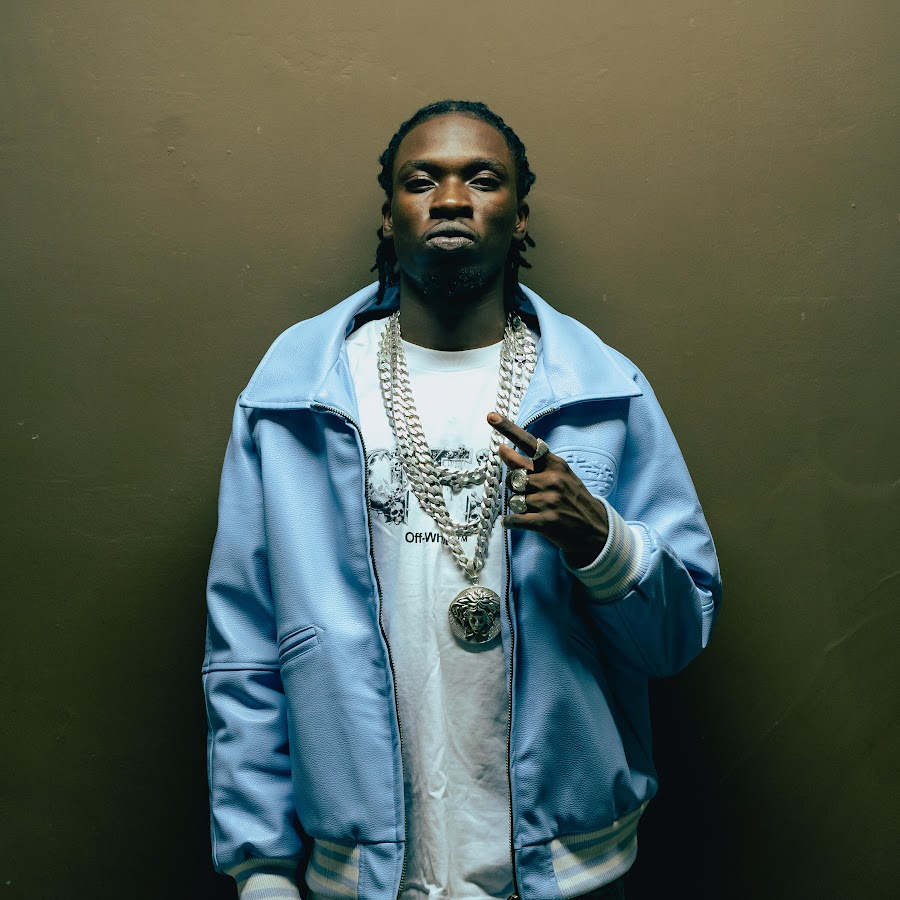
The spark of tension reportedly ignited when Buruklyn Boyz released a diss track titled “Stima”, aimed squarely at Toxic, taking shots at his credibility and challenging his standing in the rap hierarchy.
This track quickly gained traction online and set social media alight.
Toxic’s Response: Diss Tracks and Counterattacks
Toxic didn’t let the challenge go unanswered.
He fired back with his own diss song “Dumpsite”, using hard lyrics to assert his supremacy and poke at Buruklyn Boyz’s style and approach.
His punchy verses went viral, with fans on X and Instagram debating bar for bar which artist had the sharper lyrics.
The exchange didn’t stop there. Buruklyn Boyz returned with another track, “Genje Saana” (“Big Lie”), raising the stakes yet again.
In response, Toxic publicly addressed their newest attack on social media, accusing them of rehashing old beef without adding new creative heat.
From Music to the Streets: Tensions Escalate
The rivalry hasn’t stayed confined to studio recordings. In mid‑February 2026, Tuko reported a tense confrontation in Donholm between supporters of both sides, drawing police attention after clashes broke out and minor property damage was reported.
Toxic quickly condemned the violence, urging fans to keep the beef in the booth — not in the streets – and emphasised settling disputes through music, not physical fights.
What the Artists Are Saying
Toxic has repeatedly stated that his focus remains on music and growth, not senseless drama, even as he continues to fire lyrical shots at his rivals.
ALSO READ: Toxic Lyrically Doubles Down: Is 'Bad Everyday' the Knockout Blow ...
After the post‑“Stima” and “Genje Saana” backlash, Toxic publicly challenged Buruklyn Boyz to bring creativity and credible bars, rather than relying on recycled lines.
Across social media, fans have had their say — some praising the rivalry as good for Kenyan hip‑hop, while others warn that it risks dragging local communities into real‑world tension.
Industry Impact and Fan Reaction
To many fans, this beef has become one of the most entertaining lyrical battles in recent years.
Diss tracks like “Stima” and “Dumpsite” have been charted side by side in discussions, and social media spaces — from Reddit threads to X — have turned into arenas of debate about who’s winning the lyrical war.

What’s Next? A Battle of Bars or a Peace Accord?
Whether this beef evolves into a legendary rap clash or cools down into mutual respect — only time (and future tracks) will tell.
For now, Kenyan hip‑hop listeners are feasting on punchlines and watching Nairobi’s rap scene grow in intensity and creativity.



Comments 0
Sign in to join the conversation
Sign In Create AccountNo comments yet. Be the first to share your thoughts!