
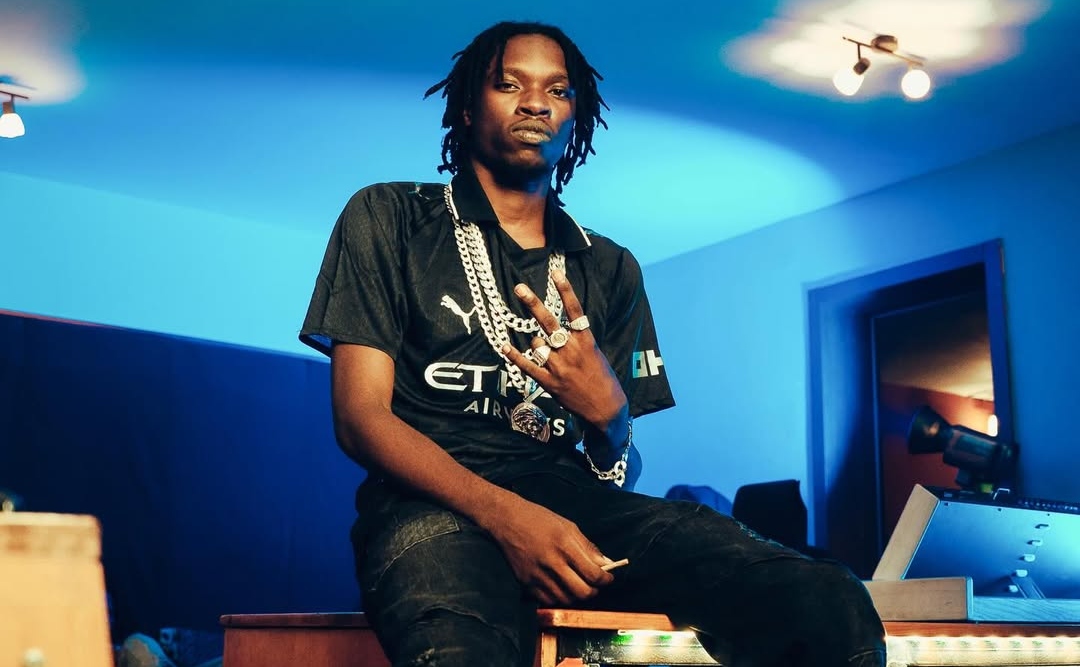
Yesterday, Toxic Lyrically released his new diss track “Bad Everyday (Sina Budi)” aimed at Buruklyn Boyz.
“Bad Everyday (Sina Budi)” comes shortly after his first jab at the drill group, signalling that Toxic is not backing down.
The release has ignited heated debate across social media, with fans dissecting every lyric and choosing sides in what is quickly becoming one of the most talked-about lyrical feuds in Kenya’surban music scene.

In the track, he doubles down on his claims, throwing sharp punches through wordplay and street-inspired metaphors.
The title itself, translating loosely to “I Have No Choice,” suggests a narrative of inevitability — as if the rapper feels compelled to respond and defend his name through music.
Listeners were quick to flood comment sections with mixed reactions.
Some applauded the boldness and lyrical aggression, while others dismissed the diss as unnecessary or exaggerated.
One user, @ELVIS KORIR, commented: “ukibaiwa ngotha mm nilikuwa naishi maisha ya ngotha.”
Another, @Bigshot_kamau, added humour to the conversation by writing: “Wameitwa Baddie unit.”
Meanwhile, @tru_vokez suggested the emotional intensity of the track stood out, saying: “hii dansel ameandika akilia.”
Not everyone was impressed. @ITZ_AZIZ bluntly stated: “You are not serious, nenda home ka mosiria”
The reactions highlight how divided fans are over the brewing rivalry.
ALSO READ: Toxic Lyrikali Addresses Buruklyn Boyz's New Diss Track
Some believe Toxic Lyrically is showing courage by standing up to a group that has dominated segments of the drill wave in Kenya.
Others feel that clout-chasing could be part of the strategy, especially in an industry where controversy often translates to streams and visibility.
Musically, “Bad Everyday (Sina Budi)” leans into gritty beats and confrontational delivery.
Toxic Lyrically appears to sharpen his tone compared to his previous diss, layering sarcasm and coded references that loyal fans are busy decoding.
The track does not just target individuals but also questions authenticity, lifestyle portrayals, and credibility within the drill culture.
This clash reflects a broader tension within Kenya’s evolving urban soundscape.
Drill music, popularised locally by groups like Buruklyn Boyz, has cultivated a strong youth following.
Its raw energy, street narratives, and global influence have reshaped Nairobi’s music identity.
However, with rising fame often comes rivalry — especially in a genre where dominance and lyrical superiority are central themes.
Industry observers note that diss tracks are not new in Kenyan music.
From gengetone to rap battles, lyrical confrontations have historically served as a competitive tool.
What makes this exchange stand out is the speed at which social media amplifies every move.
Within hours of release, snippets circulate on TikTok, Instagram reels, and X, fueling commentary and memes that extend the lifespan of the beef.
For Toxic Lyrically, this second diss could either solidify his reputation as a fearless lyricist or risk alienating listeners who prefer unity over division.
For Buruklyn Boyz, the ball may now be in their court — whether to respond directly, ignore the provocation, or address it subtly in future releases.
What remains clear is that “Bad Everyday (Sina Budi)” has achieved one undeniable goal: attention.
Streams are rising, debates are intensifying, and fans are actively engaging.
In the modern music industry, engagement often equals momentum.
For now, Kenyan hip-hop and drill fans are watching closely, waiting to see who delivers the next move in this unfolding rivalry.

Comments 0
Sign in to join the conversation
Sign In Create AccountNo comments yet. Be the first to share your thoughts!