The Health ministry has raised the alarm over the rapid
proliferation of private chemists operating around public hospitals.
The ministry has warned that some facilities could be colluding with rogue medics to divert medicines.
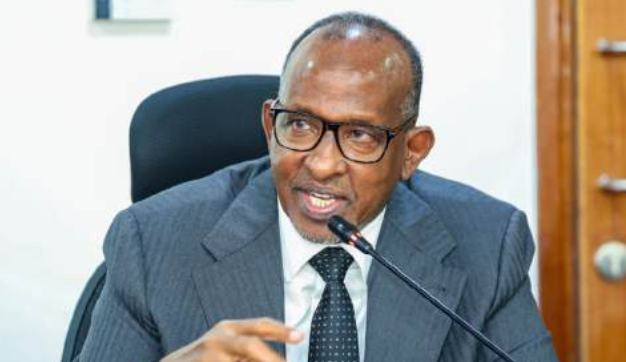
Health Cabinet Secretary Aden Duale on Thursday cautioned state-employed medics against engaging in unethical practices, including directing patients to specific chemists.
Duale told MPs there is a worrying trend of private pharmacies mushrooming just outside major referral and county hospitals. This has raised concerns about possible conflicts of interest and exploitation of patients.
“If you go to some of our referral hospitals, I will give you an example of Kisii. The hospital is surrounded by chemists. Every referral, every rural hospital — go to Nyeri, go to Garissa, everywhere in this country — they are surrounded by the same people. And the question is, who are the owners? Most likely, the owners are staff of the county, so they send their patients to pay directly,” Duale said.
The CS said the ministry has observed what he described as strange trends. Out of 52,000 patients who have gone through hospital processes digitally, only about 9,000 have received drugs.
“We have found that our referral hospitals, for example, Kakamega, Bomet and a number of others, since SHA came into being, over 52,000 patients have gone through the hospital digitally, and you can view them. But out of these 52,000, only 9,000 have received drugs. So we ask ourselves, what is the norm?” Duale asked.
The ministry, he noted, will ensure that patients receive their medication. He added that the Social Health Authority (SHA) will not reimburse some claims made for drugs.
He said the ministry takes seriously the consistent failure to dispense medicine to patients, even after they have completed other medical processes such as consultations, laboratory tests, MRI scans, CT scans and other procedures.
He warned that any public health worker found culpable would face disciplinary action, including suspension or prosecution.
“So let me put it this way: if you are a member of the Social Health Insurance Fund premium and you are not given or dispensed a drug, SHA will not pay those reimbursements and claims. They will pay everything else, but they will not pay for drugs,” he said.
“Kenyans will receive a message asking whether they have been given drugs and whether they have been attended to, depending on what they sought. So Kenyans can go back and ask where their drugs are. We have put that in the system, and the system can even detect which facilities are involved.”
The CS was speaking when he appeared before the National Assembly’s Health Committee to defend his ministry’s budget in the Budget Policy Statement for the 2026-27 financial year.
The alarm comes as the sector grapples with a Sh365 billion funding gap in the Budget Policy Statement, a shortfall the minister asked Parliament to consider to ensure the smooth running of the sector.
“The State Department for Medical Services looks forward to continued support and partnership with Parliament, and in particular this esteemed committee, in the process leading to the approval of the 2026 Budget Policy,” Duale said.
Some of the areas Duale said will be affected by the deficit include personnel emoluments for employees in the country’s referral hospitals, NHIF legacy debts, and pending bills owed to Kemsa and the Kenya Blood Transfusion Services, among others.