Read Also
The next time Leila Roba hears protesters singing and chanting slogans along the narrow and dusty streets of Kiamaiko in Nairobi’s Huruma estate, she would likely lock herself up indoors for her own safety.
The healing wound in her left wrist will promptly remind her not to venture out.
The 25-year-old phone technician, a mother of one, is nursing a gunshot wound she suffered during a protest on February 10.
Three days earlier, police had allegedly shot a first-year Kenya Medical Training College student as she sold fish at her mother’s stall in Mathare.
The police version of the events is that at around 8am on February 7, a resident reported to Huruma police station that five young men known to him had attacked him, robbed him of a silver chain and Sh1,800 in cash and threatened to kill him.
Police visited the scene and arrested two suspects. That evening around 7.30pm officers arrested two more suspects.
“During this second arrest, one of the suspects raised the alarm and incited other youths nearby, who responded by throwing stones and other projectiles in an attempt to obstruct the police from their duties. The officers were forced to fire warning shots in the air,” police spokesperson Muchiri Nyaga recounted in a statement.
“A short while later, information was received indicating that a member of the public had been fatally injured during the confrontation.” Police were careful not to say Shirley Adhiambo was shot by one of their own.
Nyaga said the officers on duty were attacked by youths throwing and other projectiles, not guns. So who shot Adhiambo during the confrontation?
A postmortem revealed the student died from a single bullet that entered from the back of the head and exited.
The Independent Policing Oversight Authority said its investigators were “actively gathering evidence, interviewing witnesses and analysing available samples and exhibits to establish the circumstances surrounding the shooting with a view to informing subsequent recommendations to relevant agencies.”
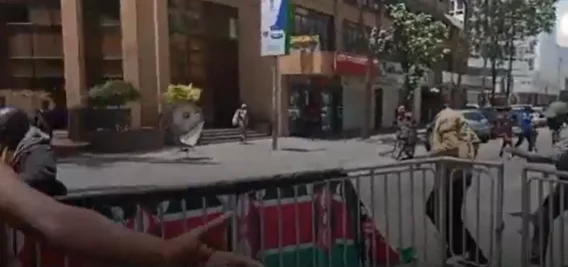
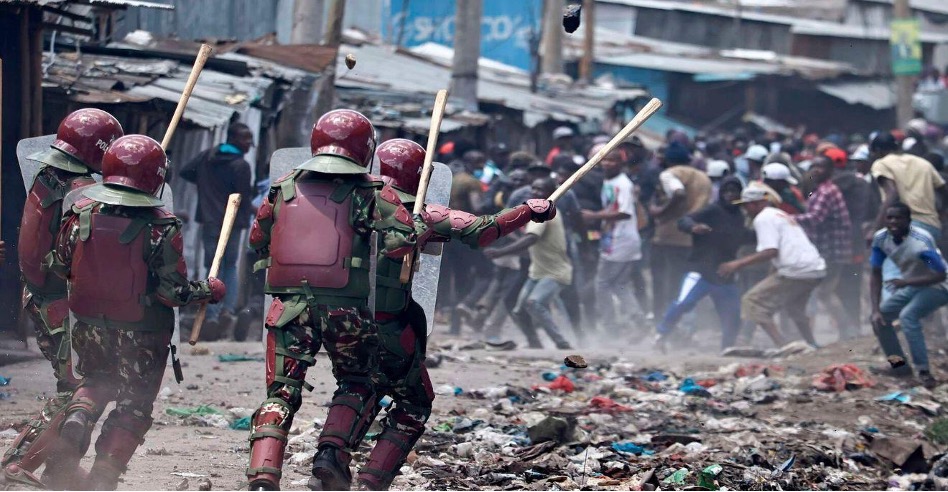
On Tuesday, February 10, angry residents of Huruma poured out into the streets demanding the arrest and arraignment of the officer who killed Adhiambo. That was when Roba and two men were shot and injured outside Huruma mosque.
“I was at work. It was a normal day. Then I heard the shouts of protesters and decided to go and see what was going on. It was while I was there that I was shot, something I had never imagined would happen to me,” she said.
“I heard that a young man had been caught stealing from protesters and was arrested. He was being taken to the police station. A policewoman who had cocked her firearm was among officers handling the young man. I don’t know what happened and the firearm fired.”
The bullet tore through the thigh of a man, hit another on the leg before hitting Roba and lodging in her left wrist.
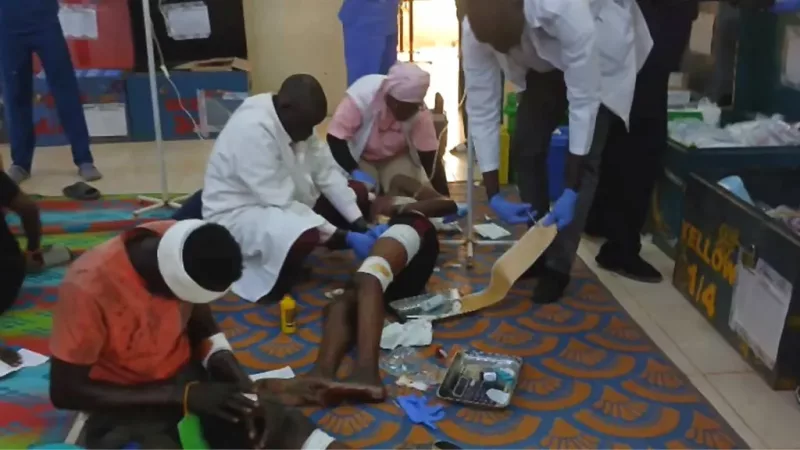
The men were admitted to Kenyatta National Hospital. A witness told the Star police had been shooting in the air to scatter the protesters when some of the residents arrested a young man they accused of stealing and handed him over the officers.
“She had left our workplace to see what was happening. I was behind her when the bullet hit her,” the colleague, who declined to be named, said.
Roba was rushed to Huruma Nursing Hospital where the bullet was removed, the wound cleaned and dressed and she went home.
She said elders from her community dissuaded her from pursuing justice. They agreed with officers at Huruma police station to cater for her treatment costs.
“My shooting was not deliberate. It was an accident. The protest was peaceful. Everyone was very peaceful. It was only after the young man was arrested that I heard a gunshot out of nowhere,” she said.
But it remains unclear how a trained police officer could mishandle her firearm during a peaceful protest. “The elders said it was an accident and there was no need to pursue the matter,” Roba said.
But Adoo Chege, a human rights defender in Huruma, said the shooting of the three was not an accident. “Police are required to be professional in handling their weapons. An officer should only use a firearm while in a dangerous situation or when dealing with an armed person,” he said.
“When the police vehicle arrived here, they started shooting and that was how the three were injured. Why were the officers using live ammunition against peaceful protesters?” Chege asked, adding that human abuses by police are rampant in the area.
He proposed that the Kenya National Commission on Human Rights should open a field office there to monitor the situation.
“The relationship between residents and the police here is very poor. Police and young people are enemies. If police come here on patrol or to arrest a suspect, the youths cause trouble for them because they don’t trust them. Police always harass the youths. The distrust between police and youths will never end,” Chege said.
“I request the human rights commission, police and the Independent Policing Oversight Authority to come here and listen to the young people to improve relations with the police.”
Chege is one of the founders of Kiamaiko FM, a new community radio station that is championing human rights and social justice in the sprawling settlement.
An official of Ipoa, Dennis Oketch, when contacted on phone asked this reporter to email him questions regarding the shooting of Roba and the two men. But he had not replied by the time of filing this report. He did not pick up our telephone calls.
A resident who did not wish to be identified said in December, police on patrol arrested a young man and took him to an open field where they shot him and stood as he bled and writhed in pain.
“People from around rushed to the scene, chased away the officers and rescued the young man. They took him to hospital and he survived,” the source said.
Residents of Kiamaiko told the Star about a notorious officer named Ali whom they accused of harassing the youth and engaging in extrajudicial killings.
Human rights defender Rachael Mwikali said Adhiambo’s death was yet another brutal reminder of police impunity, extrajudicial killings, and the rising crisis of femicide in the country perpetuated by security officers who are supposed to protect, not terrorise, citizens.
“We are angry. We are grieving. We are tired of statements without justice. Adhiambo’s life mattered. Her family deserves answers and justice. Our community deserves safety and accountability.”