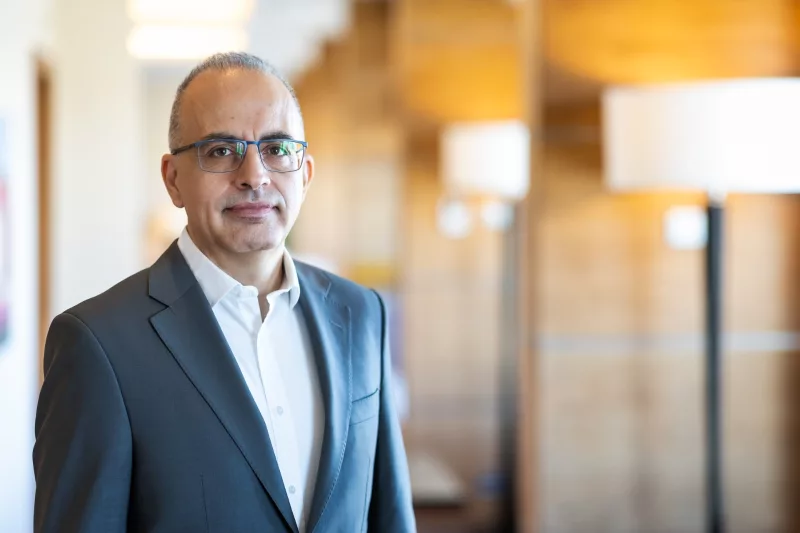
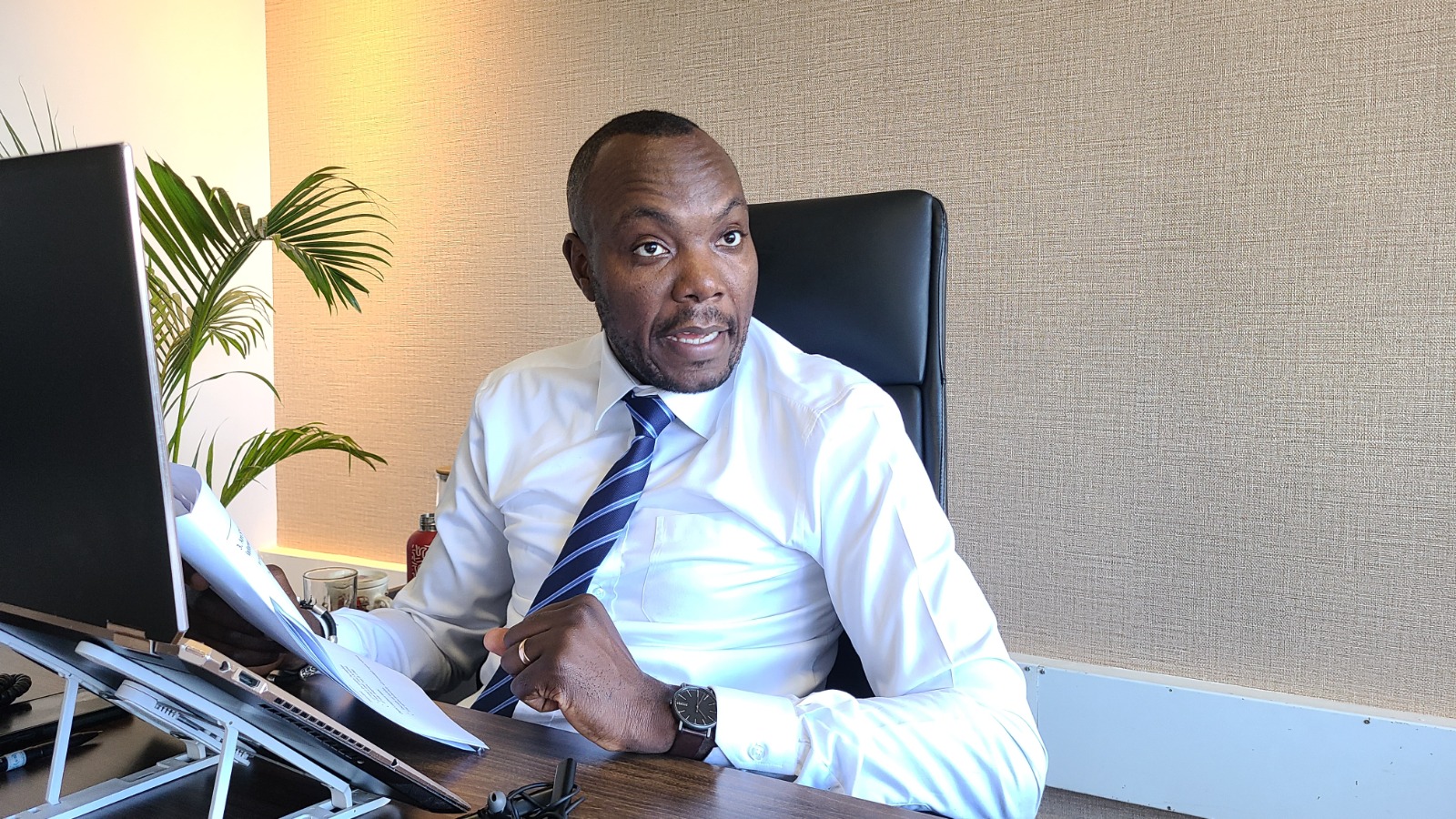
 Chartafai managing partner Njeru Mwangi during an interview with the Star /JACKTONE LAWI
Small and medium-sized businesses will undergo stricter Kenya Revenue Authority scrutiny under new income , support expenses and tax validation checks.
Last November, the taxman issued a notice that took effect this January warning firms to align their records with the new compliance rules.
This will see businesses looking to claim tax deductions forced to produce electronic invoices (eTIMS), without which, the deductions will be disallowed and tax bills born by the firms.
Experts at Tax advisory firm Chartafai LLP, now say the new enforcement drive will make 2026 one of the most challenging years for SMEs, corporates and NGOs filing annual returns.
Chartafai LLP managing partner Njeru Mwangi, says that the shift to data-driven enforcement means the era of informal bookkeeping is ending.
“With digitisation, banking data, eTIMS integration and third-party reporting, regulators now see more. Businesses that relied on undocumented transactions will face problems,” he said.
He noted many SMEs risk higher assessments due to poor bookkeeping, late filing and misunderstanding tax rules rather than deliberate evasion.
Mwangi said many founders still run businesses based on personal knowledge rather than documented systems.
“Documentation and automation are now critical. Growth is shaped by systems, transparency and discipline,” he said.
Under the new regime, businesses claiming expenses for 2025 must show eTIMS-backed invoices, or the costs will not be recognised for tax purposes.
This could increase tax liabilities and trigger penalties, Mwangi points out that a lot of businesses are slapped by tax demands due to such failures than deliberate tax avoidance.
According to the expert late filings, misunderstandings of VAT and withholding tax and poor bookkeeping remain the leading causes of massive tax demands.
Mwangi cited cases where SMEs received multi-billion-shilling assessments spanning five years—problems he says are avoidable.
“Most tax disputes arise from either errors or deliberate avoidance, but in many SME cases the problem is usually misunderstanding rather than malice. In my experience, few founders set out to evade taxes,” he noted.
Firms may also face cash-flow shocks if suppliers fail to issue compliant invoices, while lenders increasingly demand verified financial records before extending credit.
However, some of entrepreneurs like Brian Owenga, who runs a small courier business, delivering newspaper and letters across offices around Nairobi says he's yet to get that notice, despite already having received a letter of acceptance for a delivery job in March.
"Since the beginning of the this year I have been chasing for business and from next month I have been given a letter of acceptance. The work I did last year I didn't generate the invoices," Owenga told the Star.
To Owenga and many other enterprises like his that have survived informally, Mwangi warned that separating personal and business finances, keeping monthly management accounts and planning taxes early will be key to surviving the new compliance era.
Kenya Revenue Authority (KRA) has already stepped up the adoption by onboarding over 500 fuel stations onto the Electronic Tax Invoice Management System (eTIMS) fuel module following its rollout in December 2025.
KRA has stated that the eTIMS Fuel Module is designed to provide end-to-end visibility of petroleum transactions, from importation through distribution to final retail sale, thereby strengthening tax compliance and ensuring equity across the petroleum value chain.
While the tougher stance is meant to improve transparency and boost revenue collection, Mwangi said more taxpayer education is needed to help SMEs understand digital systems.
“Compliance is no longer optional. The next decade will belong to businesses that are structured, documented and digitally compliant,” he said.
With Kenya under pressure to improve financial transparency and regulatory oversight, to curb money laundering, analysts say the taxman’s expanded checks signal a shift toward stricter enforcement that could reshape how businesses operate across the country.