Wajir County will host Kenya's 2026 Madaraka Day celebrations. For many Kenyans, that sentence reads as routine government planning.
For the people of Northeastern Kenya, it reads as something else entirely: the first time in sixty-two years of independence that their soil will bear the national moment of self-governance. That is not a small thing. It is, in fact, long overdue.
The North Eastern region has been part of Kenya in law since 1963. In practice, it has spent much of that time waiting.
Waiting for roads that reached other counties first. Waiting for budgets that prioritise more electorally useful geographies. Waiting to be treated not as a security problem to be managed but as a community of citizens with an equal claim on the state.
The selection of Wajir as host of a national celebration does not erase that history. But it signals, at minimum, that someone in government understands the weight of it.
The signal is strengthened by what is happening on the ground. The NYOTA Business Start-Up Capital programme has placed over Sh3 billion into the hands of 121,800 young entrepreneurs across the country.
Wajir received Sh63 million for 2,520 beneficiaries. Mandera and Garissa received the same. These are not large figures by national budget standards.
But they represent something that previous programmes rarely delivered to these counties: inclusion by design rather than inclusion by accident. A twenty-five-year-old entrepreneur in Wajir Town who has been waiting for seed capital did not need a billion shillings. She needed to be on the list.
The wider delivery record adds substance to the symbolism. A new stadium in Wajir built in 100 days in time for the Madaraka Day Celebration. Affordable housing units in all counties within 30 months. The Isiolo–Mandera Road (A13) a major 740–750 kilometer infrastructure project currently under construction in northern Kenya.
These are not gifts to the North. They are investments that serve the whole country.
A nation that ignores a strategically located, cross-border commercial corridor because of historical neglect is not being generous to that region by finally attending to it. It is correcting a costly error.
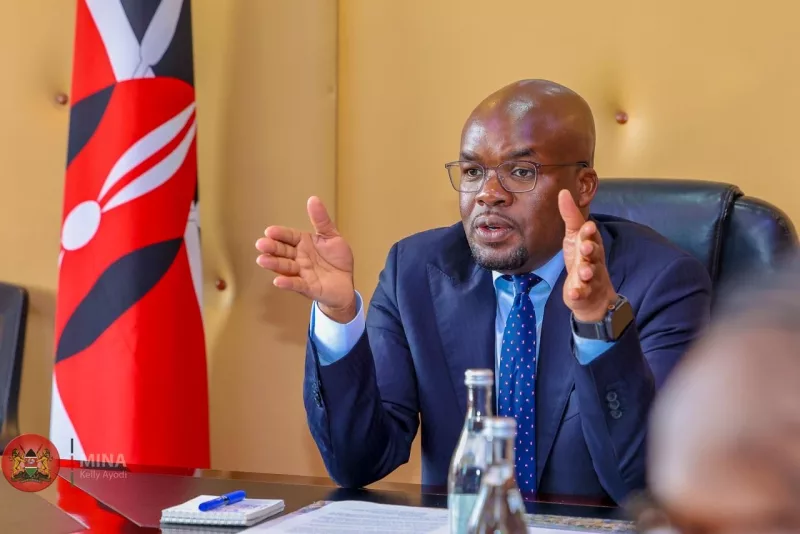
What has also changed is the style of governance itself. This is a presidency that tracks its own delivery with unusual visibility, confronting sector heads publicly when projects stall and maintaining pressure on implementation chains that have historically been very good at absorbing political promises without producing results.
That approach is not risk-free. A state that runs on presidential attention can lose momentum the moment that attention shifts. But right now, it has produced a culture of accountability that was largely absent before.
The question is whether any of thislasts. Good intentions have arrived in the North-Eastern region before. What has rarely followed is the durable institutional commitment that turns a gesture into a guarantee. Three things must happen for this moment to mean something beyond 2026.
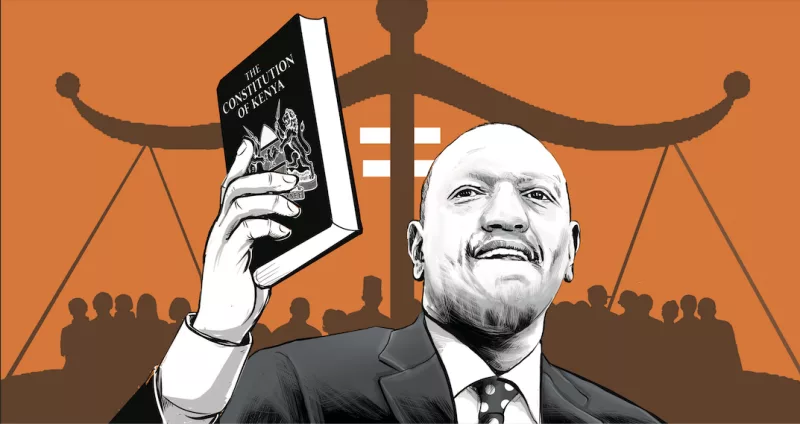
The Equalisation Fund, established under Article 204 of the Constitution and mandated to direct 0.5 per cent of national revenue annually to marginalised areas for water, roads, health and electricity, must finally be fully deployed. The law has been there since 2010. The failure has been in implementation.
Second, the NYOTA disbursements in arid counties must be supported by mentorship, market linkages and financial literacy infrastructure, because seed capital without a supporting ecosystem produces short-term activity rather than lasting enterprise.
Third, the National Cohesion and Integration Commission (NCIC), which is legally mandated to promote equal opportunity and advise the government on the equitable treatment of all communities, must be properly resourced to monitor whether these gains are being maintained.
Kenya has enough laws, commissions and constitutional provisions to guarantee equitable development for every region. What has been missing is the consistent political will to honour them.
The Madaraka Day announcement, the NYOTA reach, and the accountability posture of the current administration suggest that will may be present in ways it has not been before. It is the job of Parliament, civil society and ordinary citizens to make sure it stays that way, not as a favour to one region, but as the basic standard of what it means to govern a country that belongs to all of its people equally.
Abshir A. Abdi
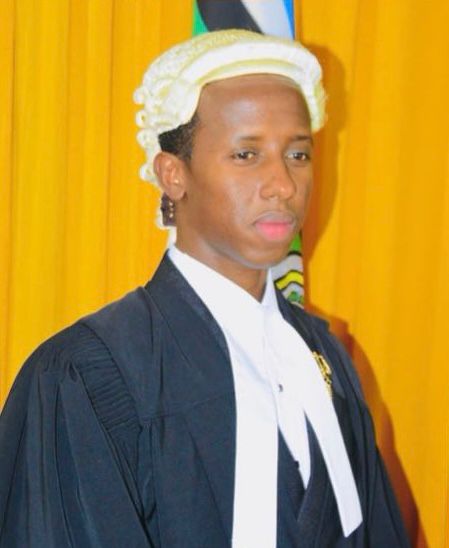
The writer is an Advocate of the High Court of Kenya and a Certified Mediator.