A few days ago, young advocates opened up on the pandemic of sexual predation sweeping their profession as seniors prey on their vulnerable selves.
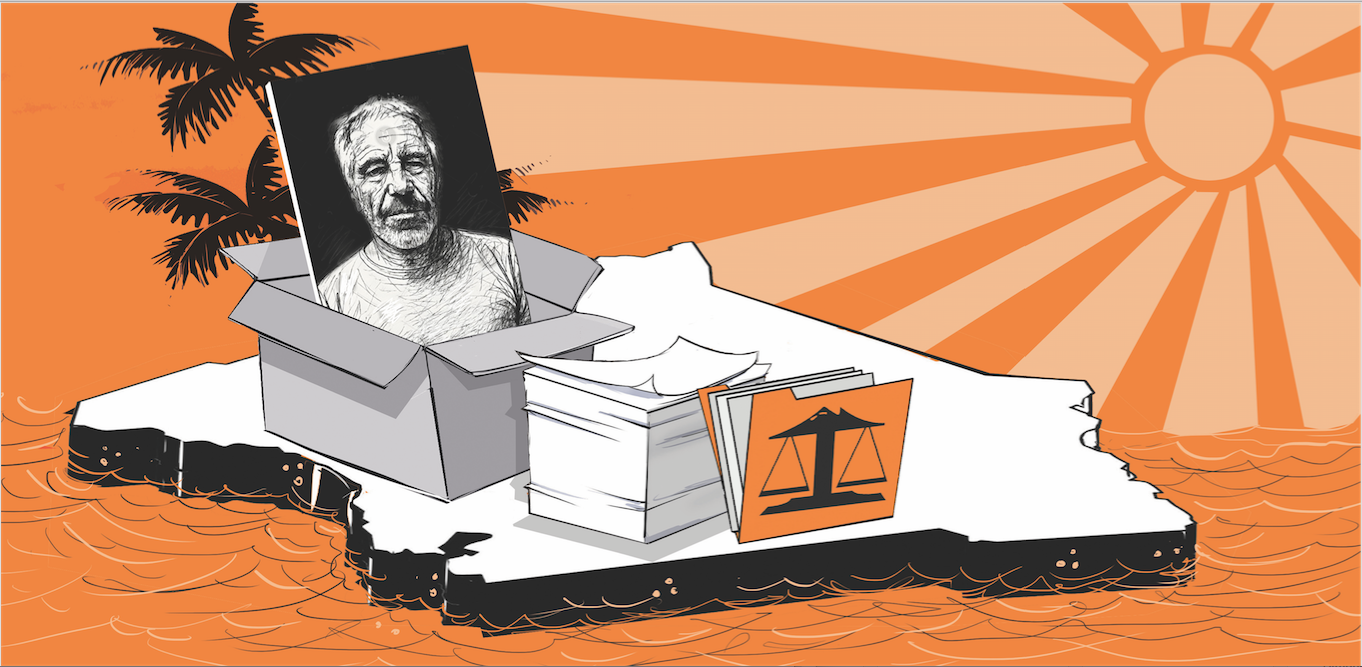
The revelations anonymously streamed on social media read like the now-infamous Jeffrey Epstein files, in horror and audacity.
Old geezers in thick-framed glasses suggestively pricked youngsters half their age, twitching hands groped tender skins in narrow office spaces, and greying, hairy chests forced themselves on damsels their daughters' age.
Tales emerged of seniors who stretched out juniors' work to enhance their susceptibility to sexual abuse, masters who roped their pupils in work excursions only to book a single room, single bed for the night, and partners who brazenly required their associates to part their legs or quit.
There was a notorious case of an old stager who also doubled up as a fixer of sorts. He knew where all opportunities abound, and set about to connect the young advocates.
He was described as exceptionally well dressed, smelling good, well-groomed and spitting quite the accent. He was said to attend and contribute to all legal conventions, earning enough visibility to awe young souls.
His wickedly silvered goatee, however, sold him out as a potentially inimitable sensualist, a billy goat of sorts. Nature has a way of outing these fellows before man figures out.
He allegedly serenaded job seekers with celestial poems and spat upon them when they rejected his advances. He invited them to his home to impress them and kicked them out whenever they resisted the fire in his loins.
He used his power and connections in the industry to hoist newcomers up a pedestal, and dropped them like a hot potato when he was done abusing them. He most likely ruined many careers and lives.
And until the young advocates screamed out aloud, he was going about his life normally. The Law Society of Kenya, which accords him the prestige of being called an advocate, was behaving normally.
The lousy statement released by LSK and the belated denouncement by incoming LSK leadership spoke volumes. Seemingly, the Society had been complicit in these despicable acts through continued silence and inaction.
So was his church, mosque or temple, depending on his religion. His mother, clan, family, club and social networks had carried on with affection towards him. And if he was going to run for a political seat in 2027, he would most likely scoop it.
Billy the goat, just like Jeffrey Epstein, is in very good company in Kenya. There are thousands of his vile kind, perhaps millions of men and women abusing their power, positions and influence to the detriment of young professionals.
They are responsible for crushed dreams, hurting souls, dysfunctional relationships and weak belief in the rule of law.
Every profession has these kinds of people, spreading fear and terror among young professionals. They gate-keep teaching, healthcare, media, politics, engineering, clergy, business, arts, the whole lot of them.
Now that the law seems not to deter them, a number of extreme interventions can be looked at to tame their habits. I heard that there is already a recent task force report which recommended chemical castration of these fellows.
Unfortunately, this would require the enactment of another law to facilitate the process. We have already noted the inherent weaknesses of placing full trust in the law for these kinds of societal problems.
The naming and shaming of the culprits should actively be encouraged. However, this should be ring-fenced against malice, calumny and slander. Professional bodies such as the LSK, Engineers Board of Kenya and Kenya Editors Guild should be encouraged to issue badges of dishonour to their errant members.
Technology, too, can come in handy in catching and exposing predators. From high-tech wearables to anti-predatory apps to report incidents, to workplace monitoring tools, predation can be nipped in the bud.
We should also consider devising a system of reward and protection for persons who report sexual predation. This would encourage reporting but also embolden victims. Ultimately, it is the doggedness of victims which paid off in Epstein's case.
It should work in Kenya, too.
Musau, an Advocate of the High Court, is a Senior Project Manager with the Friedrich Naumann Foundation and member, Media Complaints Commission. The views expressed here are his own