Hunger is worsening in Turkana East as prolonged drought forces families to resort to wild foods to survive.
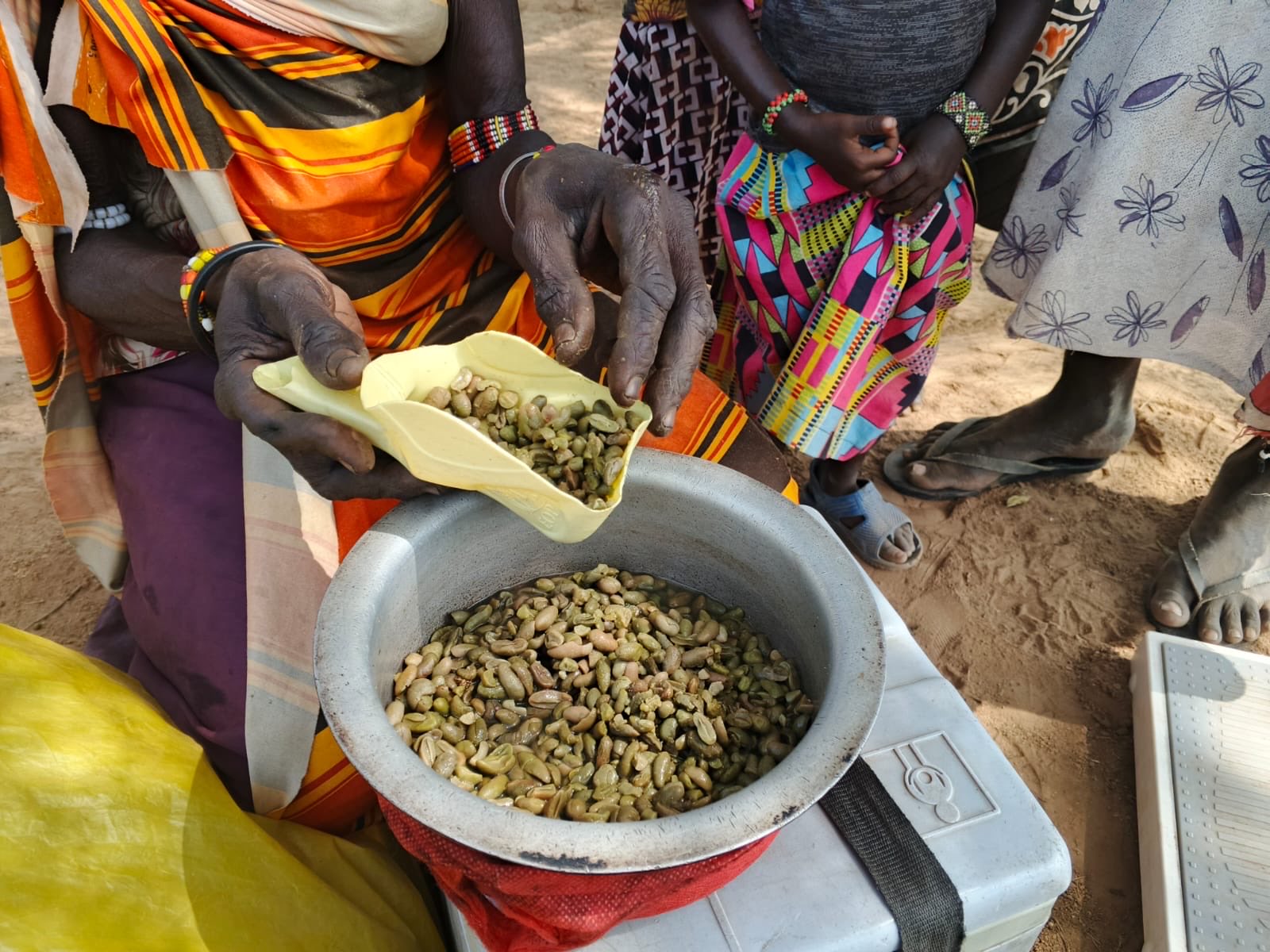
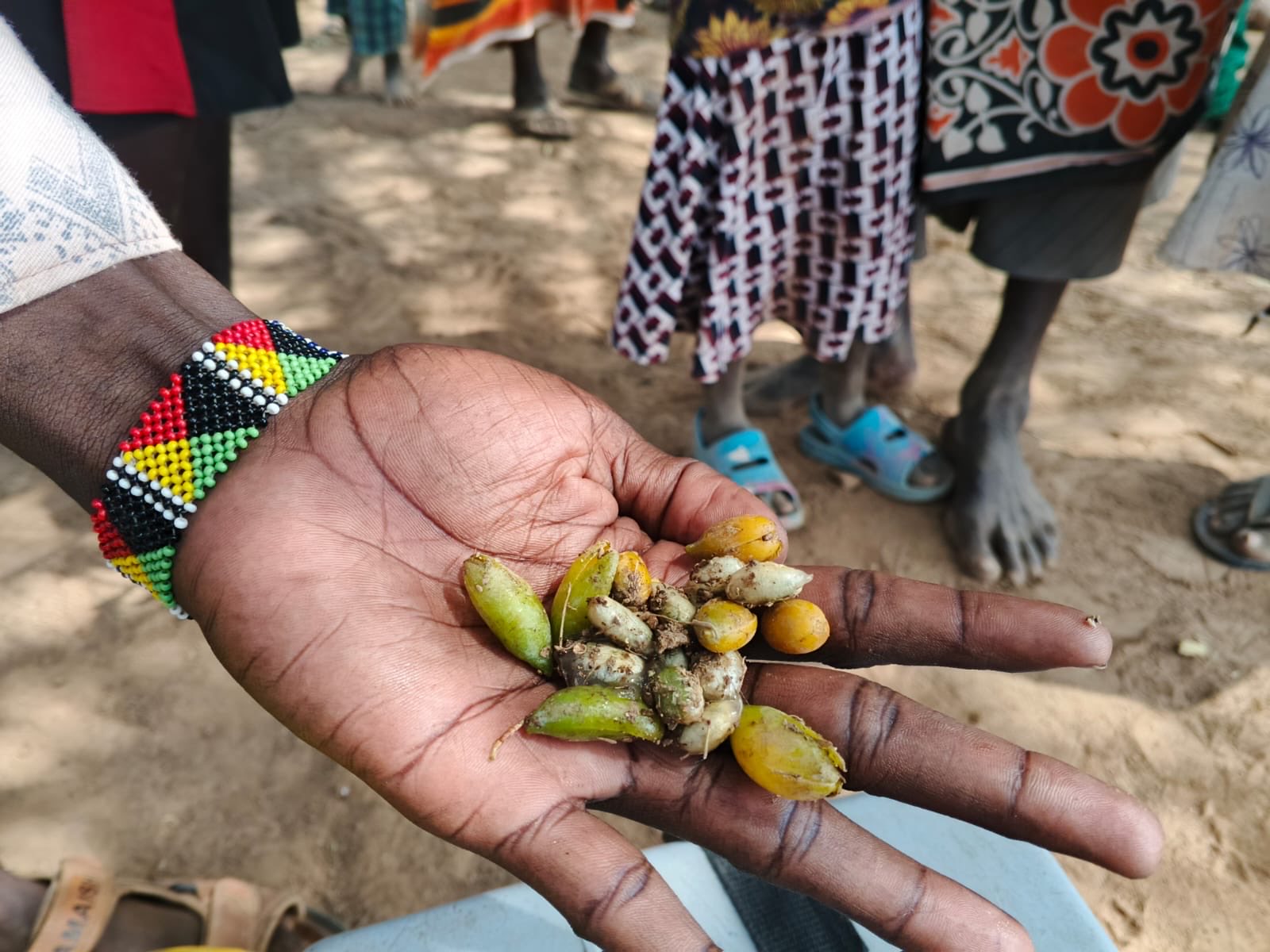
In a post on X, the Kenya Red Cross said mothers in Nakaruon village are searching for wild beans, locally known as 'endungee', to feed their children.
“In Nakaruon village, Turkana East, mothers are searching for wild beans, locally known as endungee, to feed their children,” the agency stated.
The organisation noted that the beans must be boiled for more than eight hours before they are safe for consumption, describing the situation as the aftermath of the prolonged drought in the area.
“The Kenya Red Cross continues to respond, but urgent support is needed,” the post read in part.
Recurrent drought and weak use of early warning systems are increasing vulnerability among pastoral communities in Kenya, a cross-border study shows.
Earlier on February 2, 2025, Turkana Deputy Governor John Erus said the deteriorating drought situation is exposing residents to acute challenges that threaten livelihoods.
“We do not have adequate water, pasture and other resources needed to support harmony, peace and unity between communities,” Erus said.
Findings from a cross-border study commissioned by the Danish Refugee Council warn that worsening drought could increase conflict among pastoral communities in Turkana, West Pokot and areas along the Kenya–Uganda border.
The survey, which gathered insights from 580 respondents across six project areas, found that communities in Loima, Lokiriama and North Pokot, as well as parts of Amudat, Moroto and Napak in Uganda, remain highly exposed to climate stress and conflict-related shocks with limited capacity to recover.
Erus said the findings reflect the daily realities facing pastoralists, linking diminishing water and pasture to rising tensions.
Nationally, more than two million people are affected by drought, with 23 counties facing water stress and 11 classified as areas of extreme concern, as aid agencies warn that without urgent intervention, hunger, malnutrition and disease outbreaks could escalate.