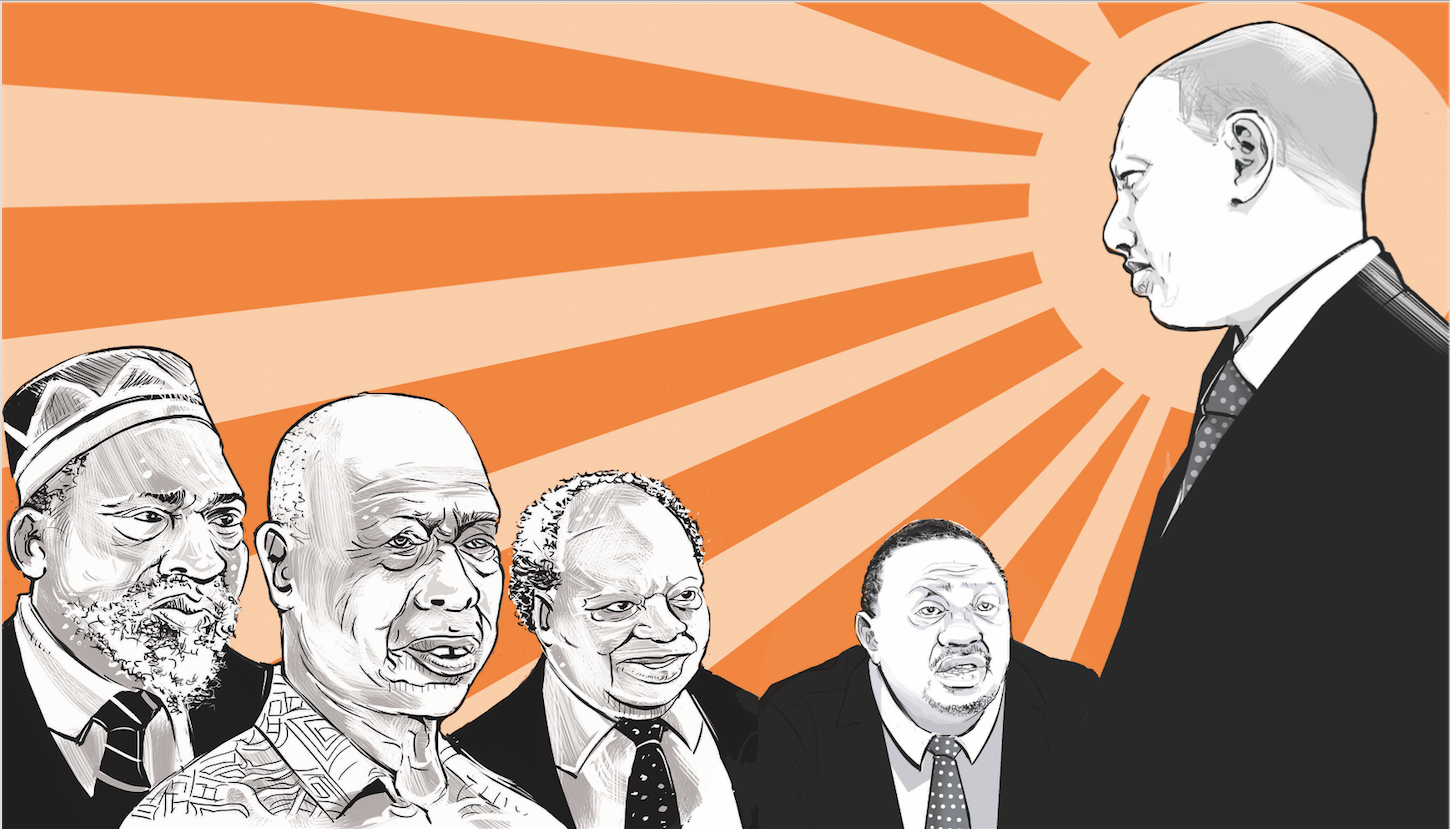
In the six decades since Independence, Kenya has cycled through five presidents, each promising transformation amid the echoes of colonial legacies and ethnic divisions. Yet in 2026, the nation remains mired in debates over who qualifies as the best.
Polls and rankings fluctuate, some hail economic booms, others decry corruption scandals, but a sobering truth emerges: Kenya has yet to produce a president who transcends systemic flaws to deliver unblemished governance.
This is a reflection of entrenched challenges like elite capture, impunity and unfulfilled reforms that hobble even the most promising tenures.
Consider Jomo Kenyatta, the founding father. Through national goodwill, he unified a nascent nation and laid the foundations for stability, but his era was tainted by land grabs that favoured his kith and kin, assassinations of rivals and dissenting voices and the slide toward one-party authoritarianism. Kenyatta's 'Harambee' slogan symbolised collective effort, yet it masked inequalities that sowed seeds for future unrest. His legacy? A mix of patriotism and patronage, far from exemplary.
Daniel arap Moi inherited this system and amplified its worst traits. By 1982, he had introduced section 2(a) via the Constitution of Kenya (Amendment) Act, making Kenyaa de jure one-party state under Kanu.
He expanded access to education through initiatives like the school milk programme and the education of the girl child, but his 24-year rule was defined by repression: torture in Nyayo House chambers, media censorship and economic sabotage which drained billions from public coffers.
Moi’s administration made it mandatory for public rallies to seek licences from government, thus inadvertently creating the loophole for opposition politicians to address their supporters in funerals, a practice that persists. Multi-party democracy returned in 1992 only under international pressure and incessant opposition politicians’ demonstrations, not genuine conviction.
Moi's defenders point to infrastructure like the Eldoret Airport, Nyayo and Kasarani stadia, built in advance of the Fourth All African Games, but the human rights abuses and economic stagnation left Kenya reeling.
Mwai Kibaki's 2002 victory marked a watershed, ousting the long-ruling Kanu party and igniting hopes for a new Kenya. His administration delivered impressive GDP growth averaging five to seven per cent, free primary education and major projects like the Thika Superhighway. Yet, Kibaki faltered on core promises. Zero tolerance for corruption evaporated amid the Anglo-Leasing scandal, involving fictitious contracts worth over $1 billion and drug trafficking surged with alleged state protection for kingpins.
As public goodwill ebbed, Kibaki and his lackeys were fixated on surviving in power by any means necessary. The 2007 election descended into violence, claiming over 1,000 lives, while constitutional reform, pledged within 100 days, dragged on until 2010. Media raids underscored a regime prioritising control over transparency.
Kibaki often tops public rankings for economic revival and the brilliance of the technocrats who birthed Vision 2030, but these blemishes negate claims of greatness. In fact, of the three pillars: Economic, Political and Social, he failed miserably on the latter.
Uhuru Kenyatta promised continuity with progress. His Big Four Agenda advanced infrastructure like the Standard Gauge Railway, but scandals proliferated. The National Youth Service heist siphoned billions, and the Pandora Papers exposed family offshore wealth.
Debt ballooned to unsustainable levels, ethnic tensions simmered, citizens and human rights groups decried extrajudicial killings during anti-terror operations. Uhuru's handshake with Raila Odinga in 2018 quelled post-election strife, yet it felt like elite pact-making rather than systemic overhaul.
Now, William Ruto styled himself as a "hustler" championing bottom-up economics. In 2025 rankings, he was lauded as Africa's top performer in categories like digital economy, with initiatives like the Hustler Fund aiding small businesses. Supporters started calling him the best ever.
The 2024 Gen Z protests against tax hikes exposed youth disillusionment, while his approval ratings hover around 48 per cent. Even his self-proclaimed status as Kenya's finest rings hollow against persistent debt crises and inequality.
Why this pattern? Kenya's presidency is shackled by a winner-takes-all system that incentivises ethnic mobilisation over merit, fostering corruption as a tool for loyalty. The 2010 constitution aimed to curb executive overreach, but implementation lags due to political sabotage and the capture of the legislature. Media co-optation—rewarding journalists with state jobs—persists, eroding accountability.
Kenya's best president remains elusive because leadership is judged comparatively against predecessors' lows, not the collective aspirations of the people of Kenya. True greatness demands eradicating impunity, bridging divides and prioritising citizens over cronies. Until a leader emerges to dismantle these barriers, perhaps through deeper devolution or anti-corruption revolutions, the wait continues.
Social impact adviser, social consciousness theorist, trainer and speaker, agronomist consultant for golf courses and sportsfields and author of 'The Gigantomachy of Samaismela' and 'The Trouble with Kenya: McKenzian Blueprint'