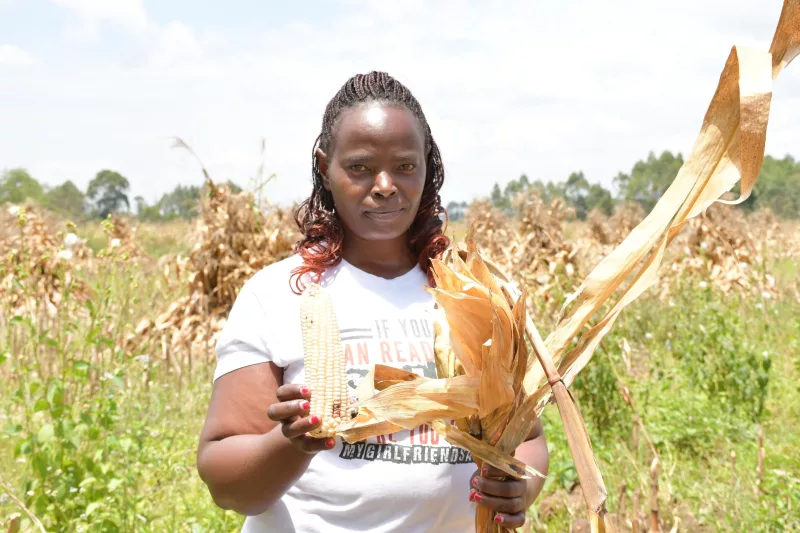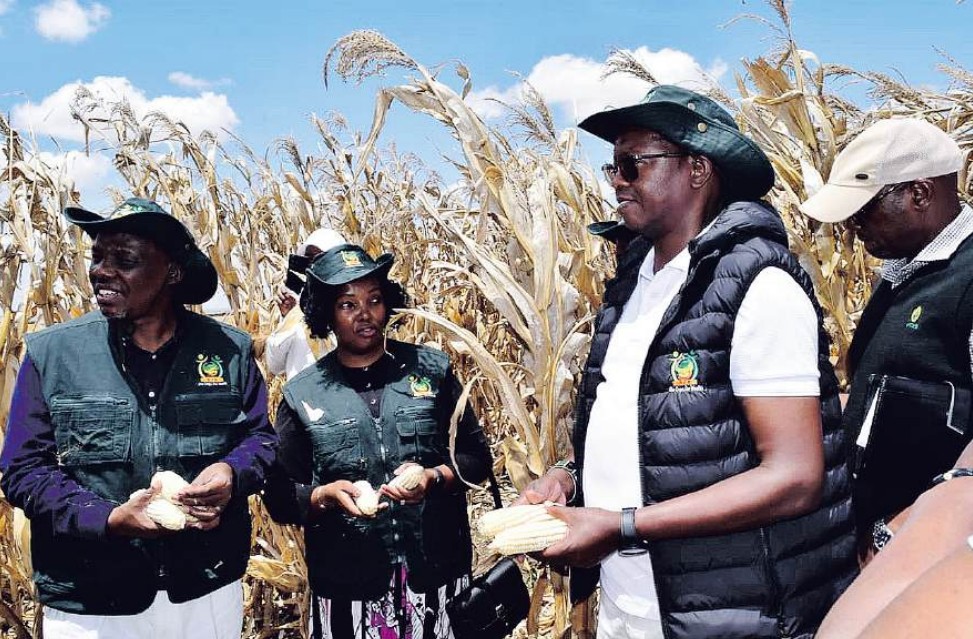
From the rolling maize fields of Uasin Gishu to the small two-acre family farms in Bungoma and Kakamega, farmers are watching the skies — and the fertiliser depots — with equal anxiety.
The March–April–May long rains are approaching, Kenya’s most important planting window. For many growers, this season will determine whether their households stay afloat or slide deeper into debt.
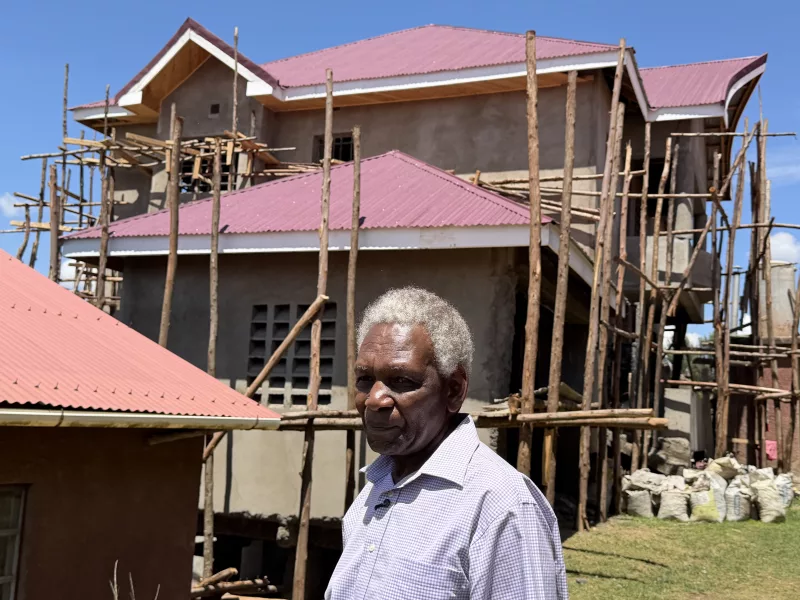
“We have prepared the land. We have registered. We are monitoring the weather,” Narok maize and wheat farmer John Teeka said.
“What we ask is simple: let fertiliser be in the depot when we go to collect it.”
Across the grain belt, the message is the same—timing is everything.
In Trans Nzoia county, often referred to as Kenya’s breadbasket, farmer David Simiyu says fertiliser accounts for nearly half of his production costs.
“If it comes early and at the subsidised price, I can farm properly. If not, I cut back. And when you cut back on fertiliser, you cut back on yield.”
In Nandi county, Beatrice Chelangat says unpredictable weather is compounding the pressure.
“If rainfall is uneven, we must get everything else right. There is no room for mistakes.”
According to the Kenya Meteorological Department, parts of the Rift Valley and Lake Victoria Basin are likely to receive near to above-average rainfall, but with variable onset and possible dry spells.
For farmers, that warning translates into urgency.
Many smallholders say they cannot afford commercial market prices, which once rose above Sh7,000 per bag during global supply shocks.
Under the government subsidy, fertiliser now costs between Sh2,500 and Sh3,500—a difference that determines whether a farmer breaks even or incurs losses.
In Bungoma, Peter Wanyonyi says delays often force farmers into impossible choices.
“If subsidised fertiliser delays, we either plant with less or borrow money. Both options are risky.”
The government says it has positioned six million bags for the long rains season, with distribution coordinated through the Kenya Integrated Agricultural Management Information System (KIAMIS), a digital registry that has enrolled over seven million farmers.
Since 2022, officials say about 25 million bags have been distributed at a cost exceeding Sh52 billion.
But for growers on the ground, statistics matter less than physical availability.
“Sometimes you’re told fertiliser has been released, but when you get to the depot, it is not there,” Rose Nasimiyu from Kakamega said. “We spend transport money and time. Clear communication would help.”
The stakes are national as well as personal.
According to the Kenya National Bureau of Statistics, Kenya requires between 44 and 48 million 90kg bags of maize annually. Shortfalls often lead to imports and rising food prices.
Agricultural experts estimate fertiliser contributes up to 40 per cent of cereal yield gains in sub-Saharan Africa — meaning delayed access could ripple far beyond farm gates.
As tractors idle and fields lie ready across the Rift Valley, farmers say they are prepared to plant the moment the rains fall.
Now, they say, they are simply waiting for fertiliser to arrive on time.