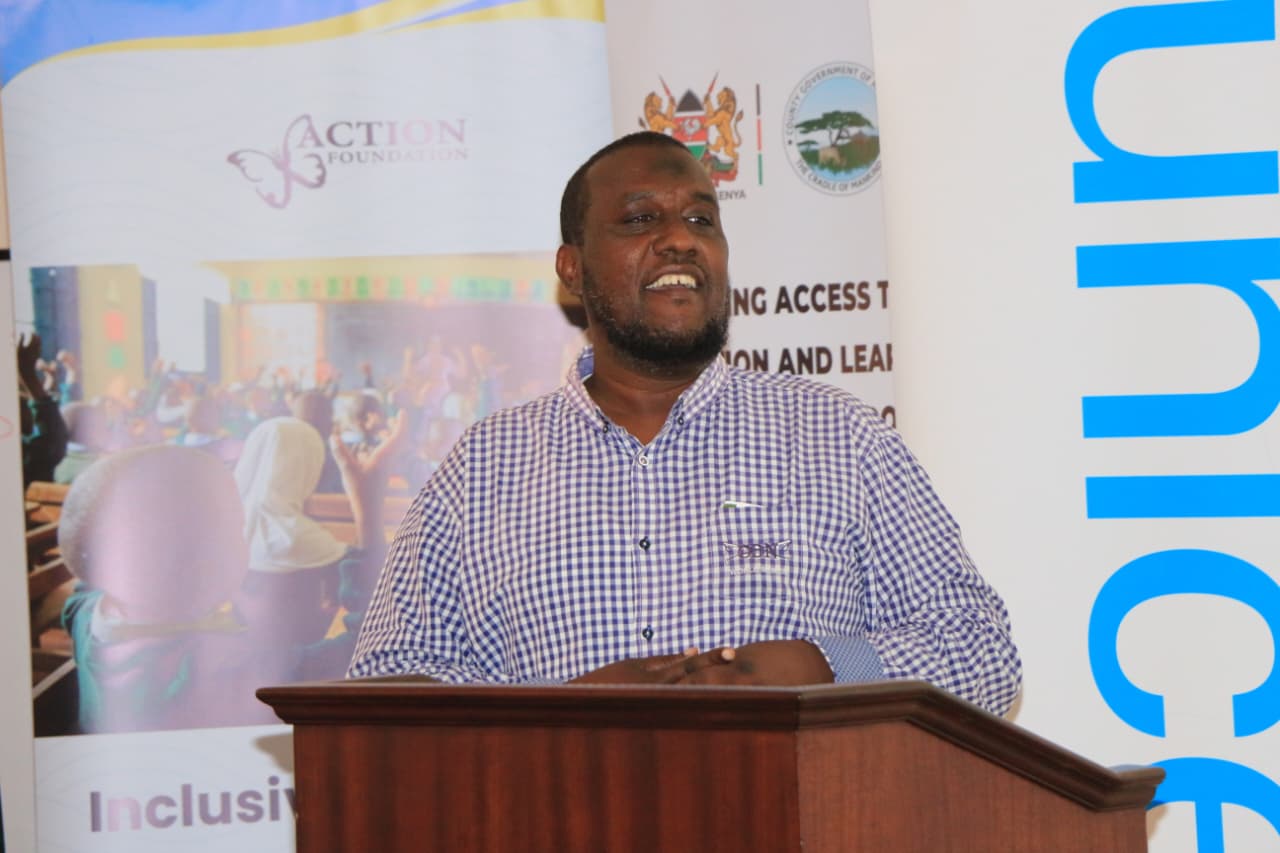
 Abdullahı Maalim, a governance and policy expert with 25+ years of experience in public administration, devolution, and institutional reform. /HANDOUT
Forty-two years have passed since the events of February 1984 at Wagalla Airstrip, yet the memory remains vivid for survivors, families, and communities across Northern Kenya.
Time has moved on, generations have changed, and the country has progressed, but Wagalla continues to remind us of a moment when citizens suffered at the hands of the very institutions meant to protect them.
The tragedy unfolded during a period marked by insecurity and tension in Kenya. What transpired at Wagalla was a security operation whose consequences left lasting scars—loss of life, broken families, and years of silence.
For those who lived through it, Wagalla was not just an incident; it became a turning point that altered the relationship between the state and northern communities.
The pain was compounded by years in which victims' suffering remained largely unspoken in national discourse. Over time, the country began to confront this difficult chapter.
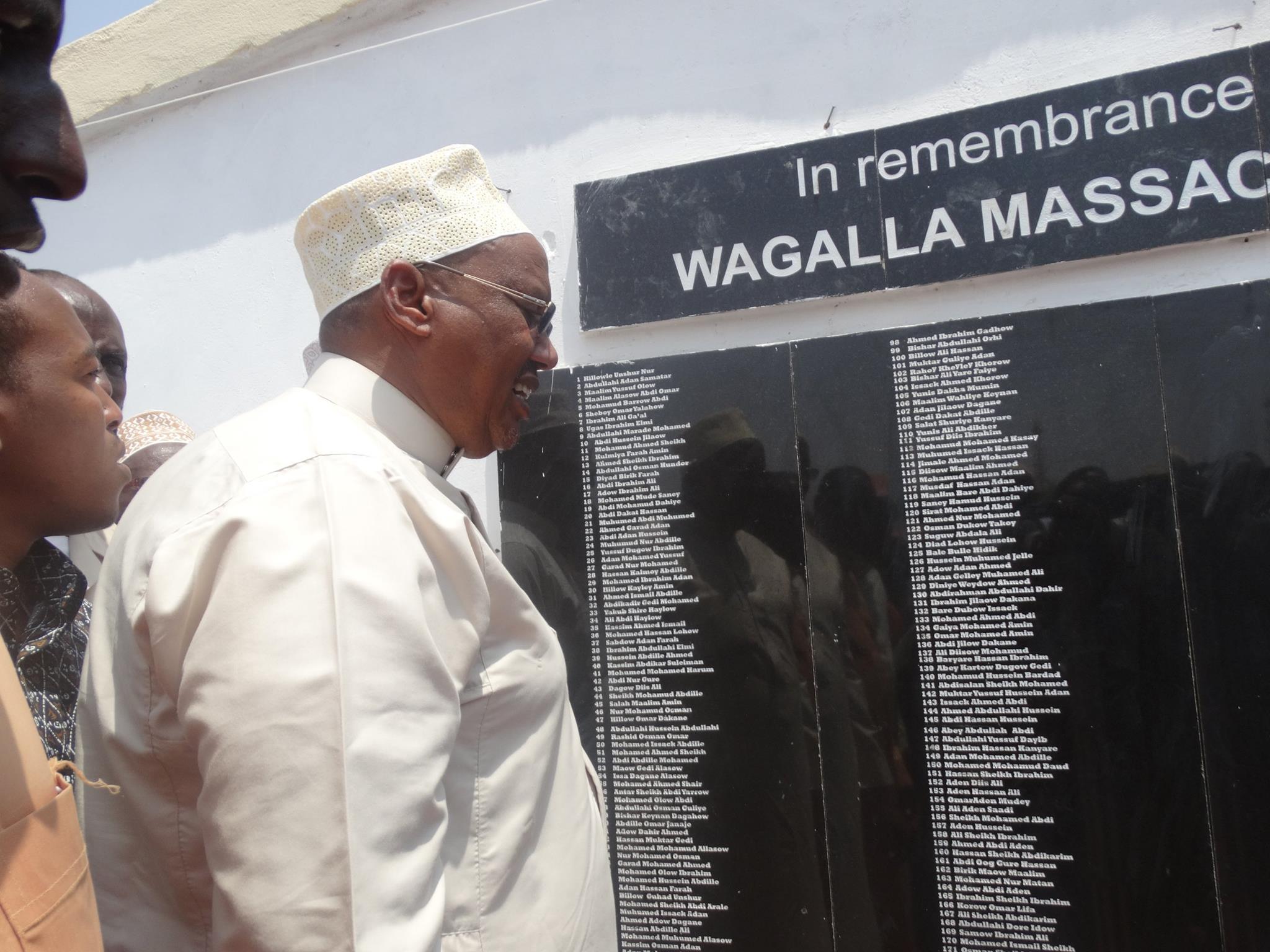
These steps mattered. They affirmed that what happened was real, not imagined or forgotten. They recognised that injustice had occurred and that the nation owed its citizens truth and dignity. Yet, as the country marks the forty-second anniversary, the reality remains painful for survivors. Many men detained at Wagalla are now elderly, and each passing year reduces the number of voices able to tell the story firsthand.
For them, remembrance alone is no longer enough. Age has brought frustration and quiet despair—the feeling of having waited too long for acknowledgment and compensation. This frustration is heightened by the fact that victims of other historical atrocities in the country have, over time, received forms of recognition and compensation.
For Wagalla survivors, the contrast is hard to ignore. The perception persists that while the nation has addressed some historical injustices, Wagalla remains unfinished business. Communities feel underserved, under-recognized, and unrepaired despite the decades that have passed and repeated promises of closure.
In Wajir and across the region, the anniversary is not only a moment of mourning but also of reflection—on belonging, equality, and the meaning of justice in a shared national journey. Survivors speak not only of material compensation but also of dignity, acknowledgment that restores trust, and reassurance that their suffering holds equal weight in the nation's history.
Wagalla today calls for empathy rather than blame, remembrance rather than silence. The story is not about reopening wounds but about allowing healing to take its rightful course. Nations mature when they confront their past honestly and ensure that no community feels invisible in the national story.
As the years pass and survivors grow older, the appeal becomes more urgent. The country must complete the journey it began when it acknowledged the tragedy.
Recognition must translate into tangible closure for those who still carry the burden of memory. Justice delayed has become justice awaited for an entire generation.
Marking this anniversary is not merely an act of looking back; it is a call to reaffirm the values of fairness, equality, and shared humanity. Wagalla should remain in the nation's memory not only as a tragedy but as a reminder of the responsibility to ensure that no Kenyan community feels forgotten again.
The writer is a governance and policy expert with 25+ years of experience in public administration, devolution, and institutional reform. He has held senior roles including Education & Governance Sector Lead at the Frontier Counties Development Council, Wajır County Secretary, and Chief Officer in Health, Roads, Devolution, and Education.