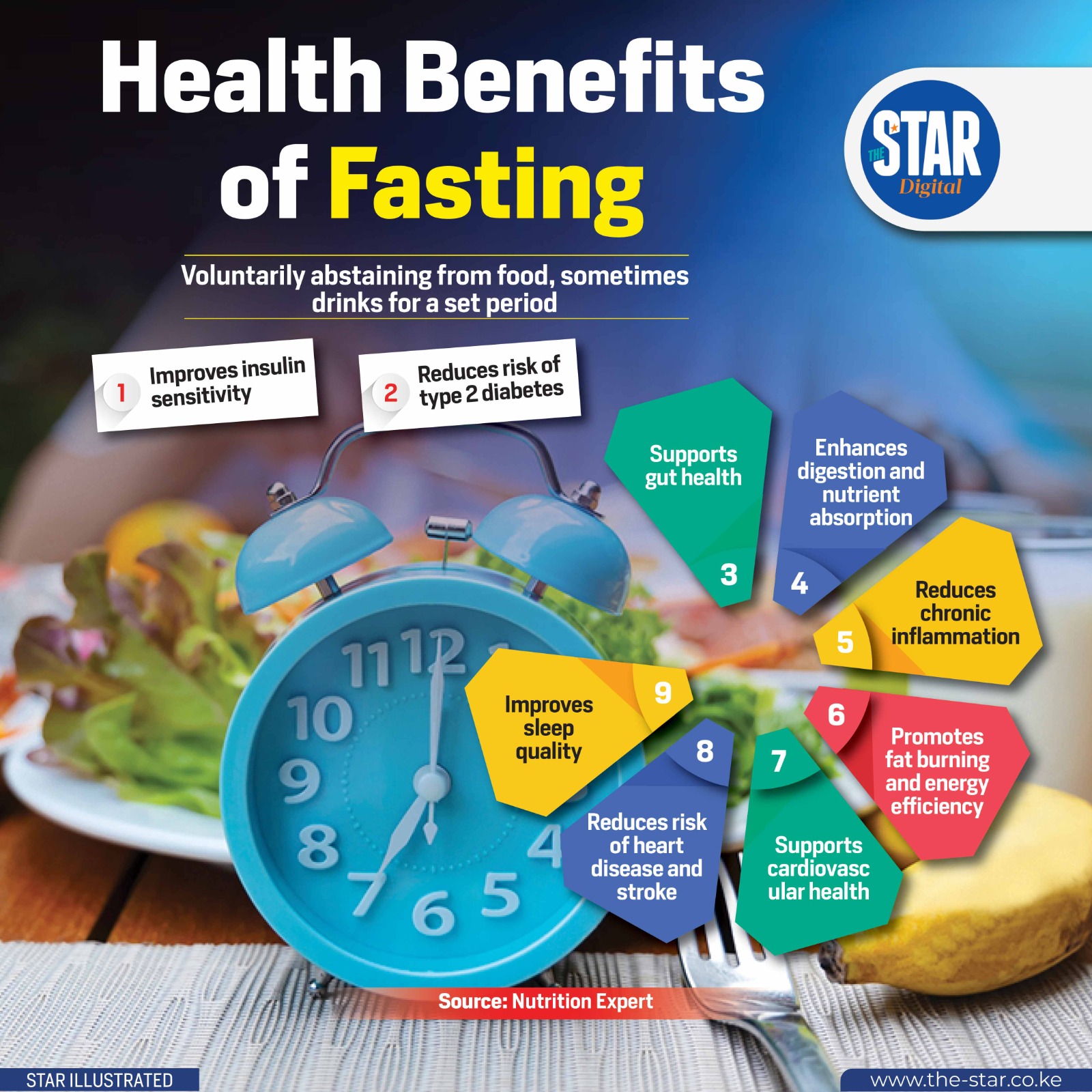
Fasting, the practice of voluntarily abstaining from food and sometimes drinks for a defined period, is increasingly recognised for its potential health benefits, according to nutrition experts.
Beyond its traditional and religious significance, fasting has been linked to improvements in metabolic, digestive, and cardiovascular health.
One of the key benefits of fasting is its positive impact on insulin sensitivity, which helps regulate blood sugar levels and reduces the risk of developing type 2 diabetes.
By giving the digestive system periodic breaks, fasting supports gut health and enhances the body’s ability to absorb essential nutrients efficiently.
Fasting has also been shown to reduce chronic inflammation, a factor associated with several long-term health conditions, including heart disease. By promoting fat burning and improving energy efficiency, it can support weight management and overall metabolic function.
Cardiovascular health can also benefit from fasting. Studies suggest that regular fasting may reduce the risk of heart disease and stroke by improving cholesterol levels, blood pressure, and overall heart function.
Beyond physical health, fasting may also contribute to improved sleep quality, helping the body achieve better rest and recovery.
Nutrition experts emphasise that fasting should be practised safely and tailored to individual health needs. People with underlying medical conditions or specific dietary requirements are encouraged to consult healthcare professionals before beginning any fasting regimen.





Comments 0
Sign in to join the conversation
Sign In Create AccountNo comments yet. Be the first to share your thoughts!