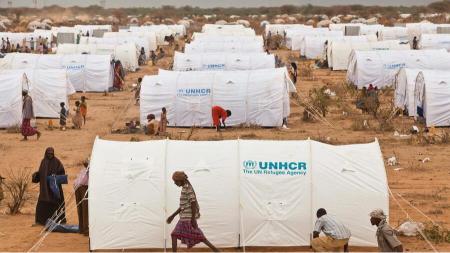
Refugee camp /UNHCR
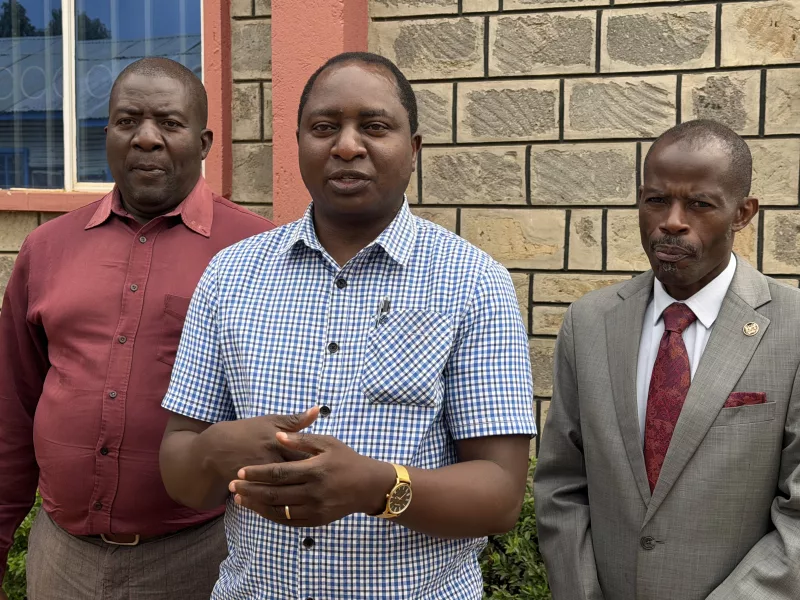
In Kalobeyei, Turkana county, Peter Ekal has grown up alongside refugees.
He shares the same dusty football fields, water points and market stalls with families who fled war in Somalia and South Sudan.
For years, life has been about coexistence — sometimes peaceful, sometimes strained.
“We have lived with refugees for many years. We share water, schools and even markets,” Ekal, a youth leader in the area, says.
“But sometimes the host community feels left behind.”
His words reflect a quiet reality in Kenya’s refugee-hosting regions — communities bound together by circumstance, yet often competing for limited resources.
Kenya hosts more than 835,000 refugees and asylum seekers, according to UNHCR.
Most live in Dadaab, Garissa county, and Kakuma and Kalobeyei in Turkana county.
Others try to rebuild their lives quietly in cities such as Nairobi and Mombasa.
For many families — refugee and host alike — daily life means limited access to formal jobs, education and reliable electricity.
In some areas, women and girls walk long distances to collect firewood, exposing them to safety risks.
Tensions occasionally flare up over scarce natural resources.
It is against this backdrop that the government, with support from Germany and UNHCR, has launched a three-year initiative aimed at strengthening livelihoods, improving energy access and promoting economic inclusion in Turkana and Garissa.
The project builds on the Shirika Plan, unveiled in March 2025, which seeks to move away from long-term humanitarian aid and instead integrate refugees into national systems — including education, skills training and local economic planning — while ensuring host communities benefit equally.
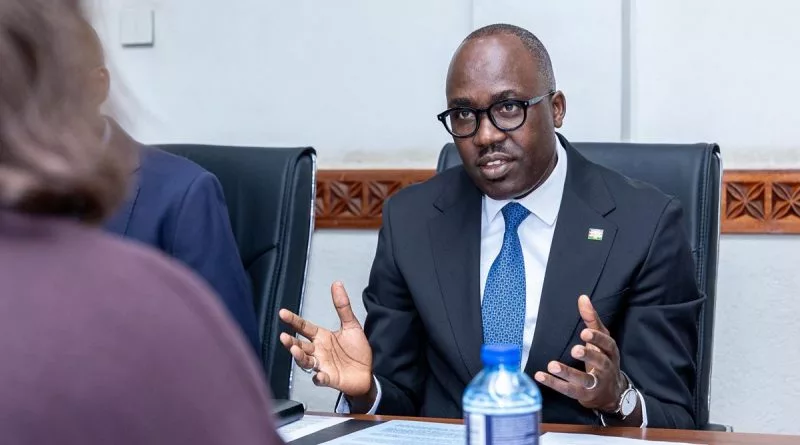
Robin Ellis, acting UNHCR Representative in Kenya, described the plan as a shift towards dignity and self-reliance.
But on the ground, the success of the initiative will be measured less in policy documents and more in opportunity.
“If this plan supports youth from both sides with skills training and business opportunities, then it will reduce tension and help us grow together,” says Ekal.
For communities that have shared hardship for decades, inclusion is not just policy — it is survival, stability and hope for a future built side by side.