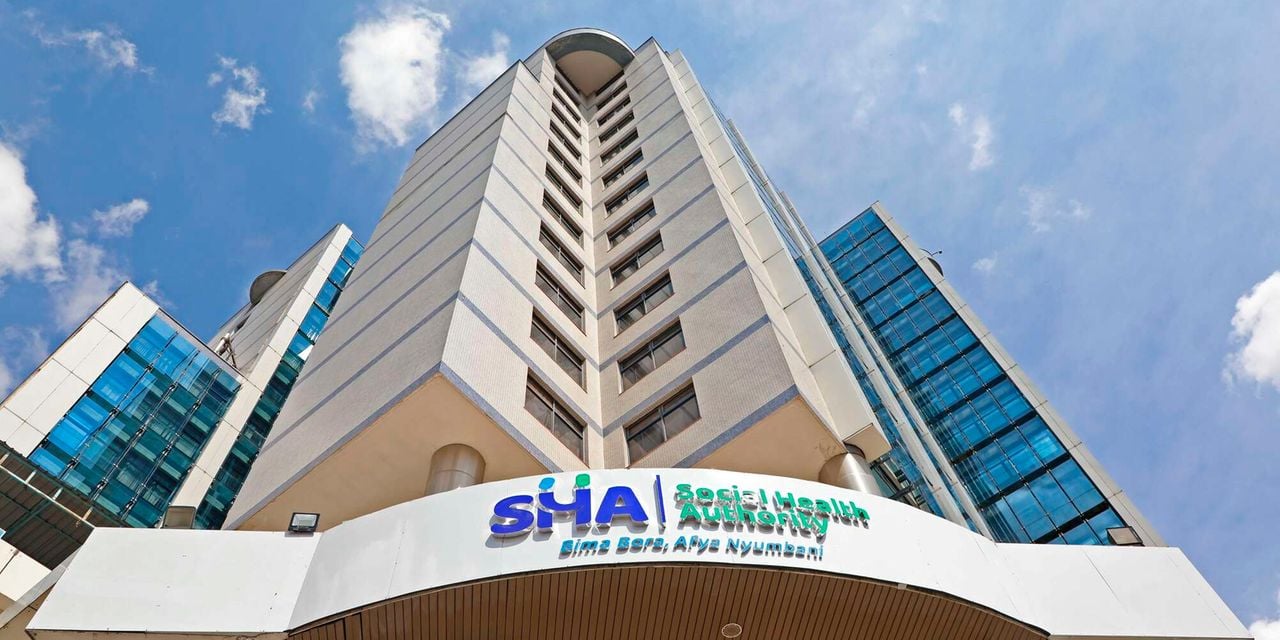
 SHA/FILE
The latest report from the Social Health Assurance (SHA) scheme shows that at least 123,000 claims were rejected across county health facilities.
The report, covering the period from October 2024 to January 2026 during the ongoing 2026 assessment cycle, was presented at the 29th Ordinary Session of the Intergovernmental Budget and Economic Council (IBEC).
It highlights systemic challenges in documentation, clinical compliance, and administrative processes that continue to affect access to health coverage for millions of Kenyans.
According to the report, the leading cause of claim rejections was missing or incomplete documentation, accounting for 91,935 claims.
These rejections stem from administrative gaps, such as incomplete forms, missing identification, or insufficient supporting documents.
Health facilities have been urged to strengthen training for administrative staff and ensure proper verification of claims before submission to reduce avoidable rejections.
Failure to meet clinical or medical criteria was another reason for denial, affecting 4,073 claims. These cases involved medical procedures, treatments, or diagnoses that did not align with SHA-approved standards.
Other causes of rejection included issues with benefit packages or coverage, accounting for 1,932 claims, and duplicate or multiple claims, which led to 2,066 rejections.
Pre-authorisation issues were comparatively low, with only 348 claims rejected due to lack of prior approval, though the report notes that delays in obtaining pre-authorisations can stall access to essential health services.
Additionally, failure to resubmit claims within set timelines contributed to 23,000 rejections, underscoring the importance of timely compliance by both health facilities and beneficiaries.
Despite these challenges, the SHA report highlights the overall reach and impact of the program. To date, at least 29.4 million Kenyans are registered under the scheme, contributing Sh142 billion in collected funds.
Of these, 8,082,790 Kenyans have access to primary health care (PHC) services, while 3,238,082 benefit from Social Health Insurance Fund (SHIF) coverage, reflecting steady growth in enrollment and utilisation even as administrative and clinical hurdles remain.
The latest SHIF payment analysis provides a breakdown of contributions and settlements across provider categories. In county government facilities, 2,323 providers received Sh19.21 billion, with a settlement rate of 71 per cent.
Faith-based organisations accounted for 362 providers, receiving Sh15.2 billion, while eight Ministry of Health providers received Sh8.5 billion, highlighting limited but high-value transactions in public health programs.
Private providers led in both numbers and payments, with 2,543 providers receiving a combined Sh41.68 billion, reflecting the sector’s major role in service delivery under SHIF.
Collectively, these payments total Sh84.5 billion, underscoring the scale of the fund and the diversity of participating health providers. The data offers insight into sectoral distribution and the efficiency of settlements across Kenya’s health system.